Table of content
Growing up with Cantonese food, and later tasting dishes from other Chinese regions alongside well-traveled friends, I’ve come to truly appreciate how distinct and refined this cuisine is. Cantonese cooking is generally light, balanced, and deeply respectful of natural flavors. It avoids excessive oil or overpowering spices. Ingredients like ginger, oyster sauce, sesame oil, and rice wine appear frequently, but always in moderation.
🥢 The Secret? Freshness, Pure and Simple
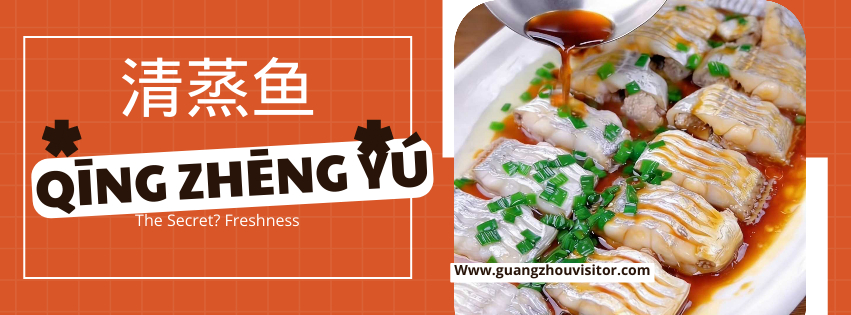
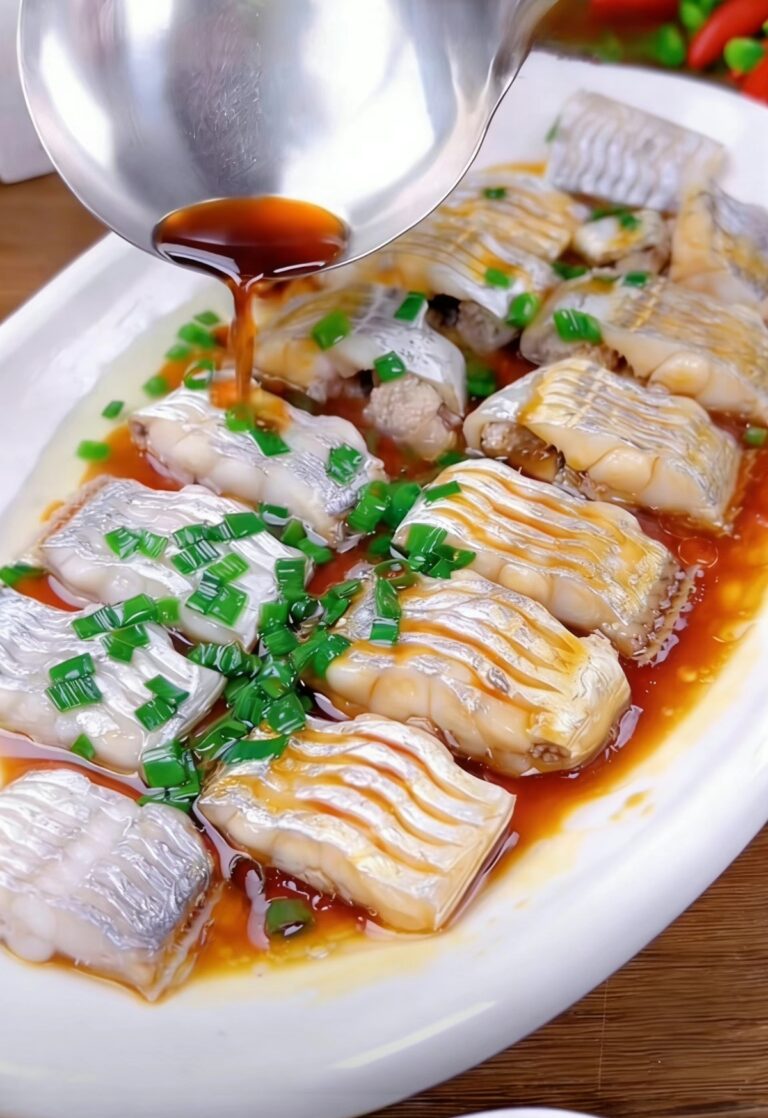
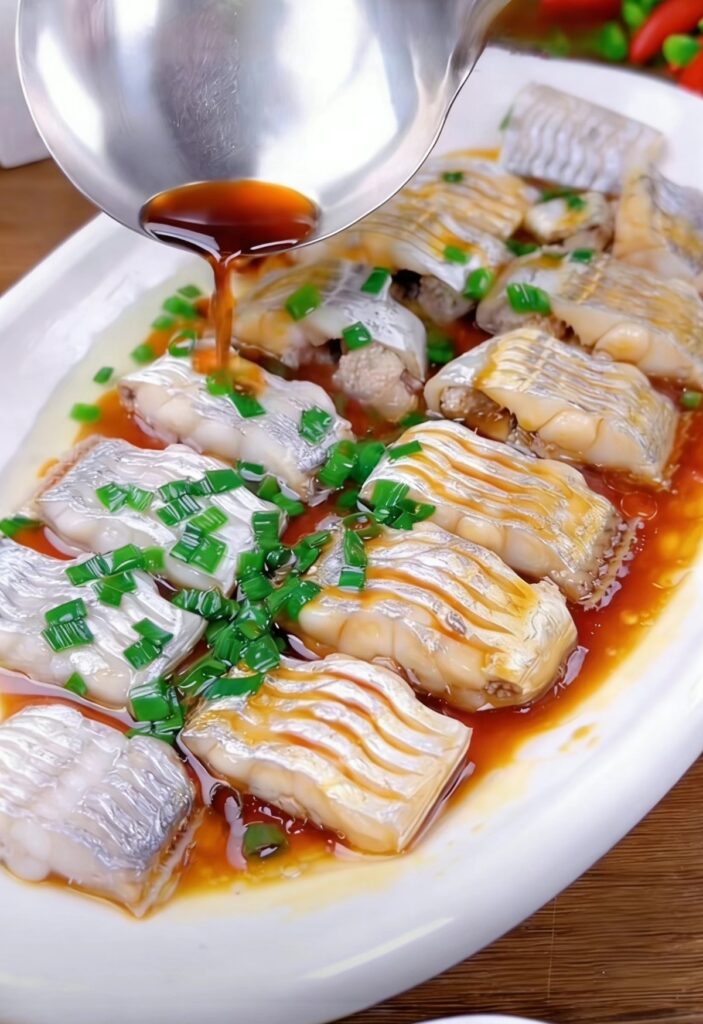
Whole steamed fish with ginger and scallions
清蒸鱼 (qīng zhēng yú) – Whole steamed fish, the heart of Cantonese cooking
Freshness lies at the heart of this cuisine. Guangdong’s mild climate and long growing season mean vegetables and seafood are abundant – and this abundance shapes the character of the food.
A perfect example? Whole steamed fish (清蒸鱼 – qīng zhēng yú), topped simply with julienned ginger and scallions. Clean, delicate, and deeply satisfying. Nothing to hide behind.
🔥 Siu Mei (烧味 – shāo wèi): Where Roasted Meats Steal the Show
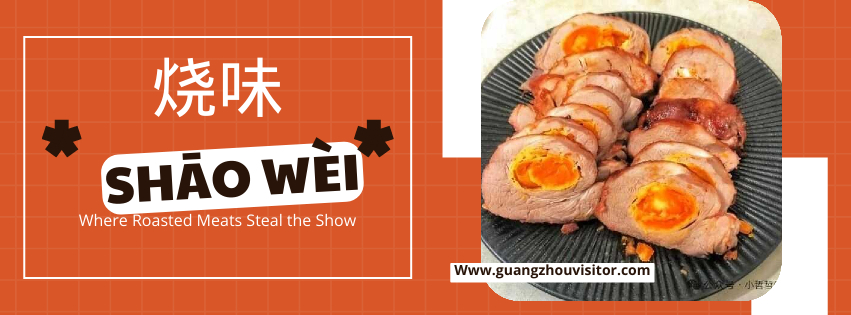
Roasted duck and char siu pork
烧味 (shāo wèi) – Char siu, roast duck, and crispy pork belly
Roasted and barbecued meats – known as Siu Mei – form a world of their own:
- Char siu pork (叉烧 – chā shāo) – sweet, sticky, irresistible
- Soy-braised goose (豉油鹅 – chǐ yóu é) – rich and deeply savory
- White-cut chicken (白切鸡 – bái qiē jī) – deceptively simple, perfectly tender
Organ meats and “unusual” cuts like chicken feet (凤爪 – fèng zhuǎ), intestines, and tongue are also common. Why? Because texture matters as much as flavor.
🥬 Vegetables Aren’t Just Sides – They’re Stars
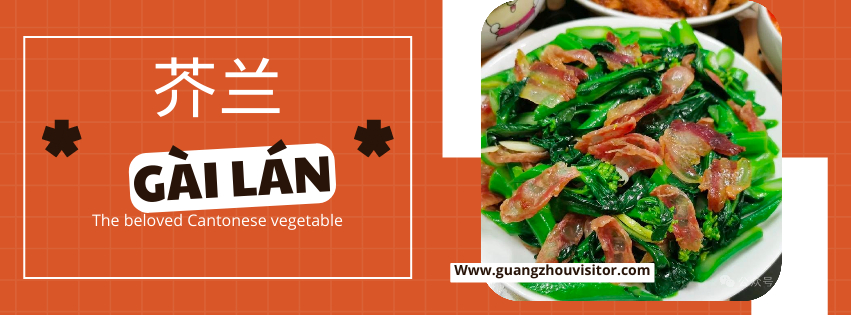
Gai lan Chinese broccoli
芥兰 (gài lán) — Gai lan, a beloved Cantonese vegetable
Sautéed spinach, pea shoots, or gai lan (芥兰 – gài lán) are not afterthoughts. They’re essential parts of the meal, often served in generous portions that can surprise newcomers. In Cantonese cooking, vegetables get the respect they deserve.
🍚 Rice Rules. Everything Else Follows
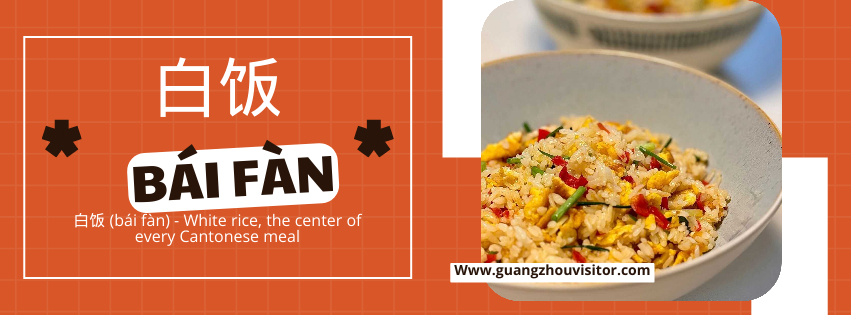
Rice bowl with chopsticks
白饭 (bái fàn) – White rice, the center of every Cantonese meal
At the center of every meal is white rice, served individually in small bowls. All other dishes – collectively called sung (送 – sòng), meaning “the things that accompany the rice” – are shared family-style.
This communal approach scales effortlessly from a small household meal to a banquet for hundreds, often helped by a large lazy Susan (玻璃转盘 – bō li zhuàn pán) spinning around the table.
🥣 Soups That Heal, Desserts That Delight
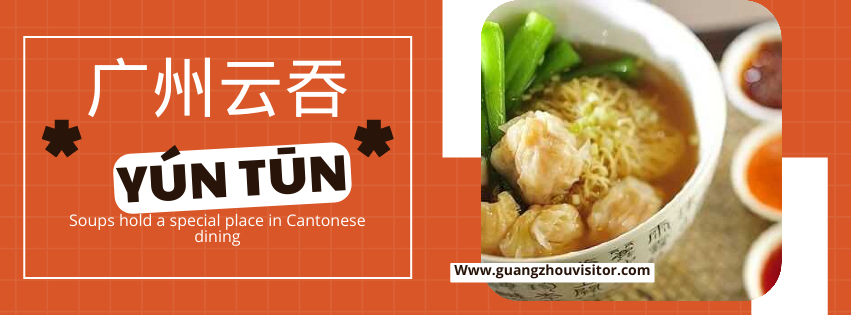
Wonton soup
云吞面 (yún tūn miàn) – Comfort in a bowl
Soups hold a special place in Cantonese dining. They’re typically clear, slow-simmered, and sometimes believed to offer medicinal benefits. Think less “starter” and more “comfort in a bowl.”
Desserts tend to be light as well – often sweet soups (糖水 – táng shuǐ) or dumplings filled with red bean paste (红豆沙汤圆 – hóng dòu shā tāng yuán) or black sesame paste (芝麻汤圆 – zhī ma tāng yuán). Nothing heavy. Just a gentle, satisfying end.
🥟 Oh, and Dim Sum? Of Course
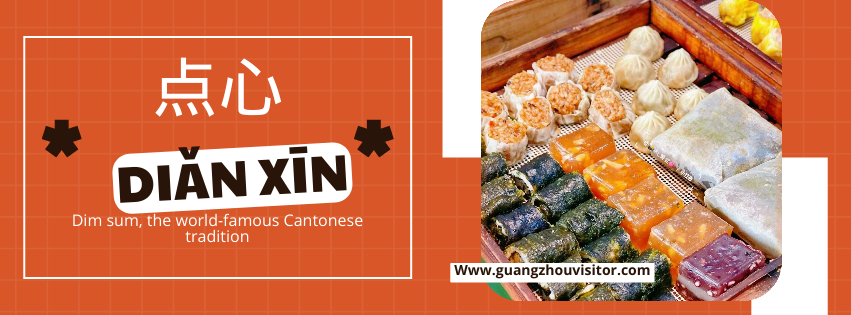
Dim sum
点心 (diǎn xīn) – Dim sum, the world-famous Cantonese tradition
Dim sum (点心 – diǎn xīn) – perhaps the most globally recognized expression of Cantonese cuisine – belongs right here. Bite-sized, teahouse-friendly, and dangerously easy to over-order.
🥖 A Quick Word on Bread
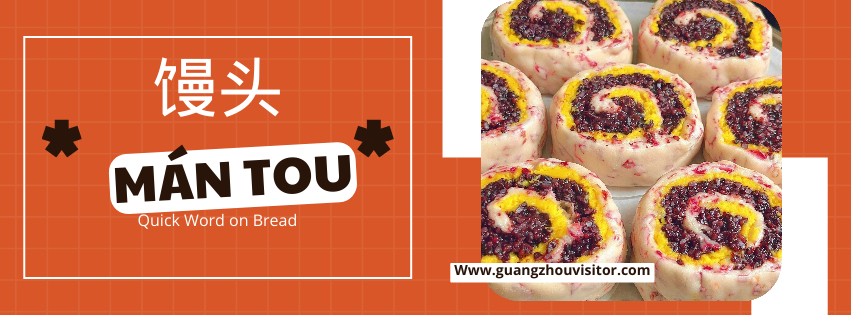
Steamed buns
馒头 (mán tou) – Soft, fluffy steamed buns
Bread isn’t a major player in Cantonese food culture, unlike in northern China. Steamed buns (馒头 – mán tou) and fried dough sticks (油条 – yóu tiáo) appear occasionally, but often as imports from other regions. No loss – rice does the job beautifully.
🐟 Why It All Works
Cantonese cuisine reflects a region blessed with fresh ingredients and a culinary tradition that values subtlety, technique, and the art of making almost any ingredient not just edible, but genuinely enjoyable.
It’s a cuisine for people who appreciate craftsmanship and the beauty of simplicity. And honestly? Once you truly taste it, you’ll understand why.
📋 Cantonese Names & Pronunciation Guide
Here’s a quick reference for the key dishes and terms mentioned in this article:
| English | Chinese (中文) | Pinyin |
|---|---|---|
| Whole steamed fish | 清蒸鱼 | qīng zhēng yú |
| Char siu pork | 叉烧 | chā shāo |
| Soy-braised goose | 豉油鹅 | chǐ yóu é |
| White-cut chicken | 白切鸡 | bái qiē jī |
| Chicken feet | 凤爪 | fèng zhuǎ |
| Siu Mei (roasted meats) | 烧味 | shāo wèi |
| Gai lan (Chinese broccoli) | 芥兰 | gài lán |
| Sung (rice accompaniments) | 送 | sòng |
| Lazy Susan | 玻璃转盘 | bō li zhuàn pán |
| Sweet soup dessert | 糖水 | táng shuǐ |
| Red bean paste dumpling | 红豆沙汤圆 | hóng dòu shā tāng yuán |
| Black sesame paste dumpling | 芝麻汤圆 | zhī ma tāng yuán |
| Dim sum | 点心 | diǎn xīn |
| Steamed bun | 馒头 | mán tou |
| Fried dough stick | 油条 | yóu tiáo |
💡 Pronunciation tip: The “q” in Pinyin (like in qīng or qiē) sounds similar to “ch”. The “x” (like in xiāo) sounds between “sh” and “s”. When in doubt, just ask a local friend! 😊
If you are staying near the Canton Fair, many of the [top business hotels in Guangzhou] offer world-class Cantonese restaurants within their premises and don’t forget to check our [Guangzhou Business Travel Checklist] to ensure you have everything ready, including the best dining apps.”