Last month, I met Mark at a tiny coffee shop in Guangzhou. He was staring at his laptop, looking exhausted.
Navigating the markets can be overwhelming, but sourcing custom lighting in Guangzhou becomes much easier once you understand the local factory dynamics.

Mark, an interior designer from Texas, had just wired $3,000 for a custom chandelier sample he found on Alibaba.
The photos looked stunning. The render was perfect. But when the sample arrived? The metal felt cheap, the finish was uneven, and the dimensions were completely wrong. He looked at me and asked: “How do you locals actually do this without getting ripped off?”
That conversation stuck with me. Because Mark’s story isn’t unique. Every week, I see international friends land in Guangzhou with big dreams and even bigger confusion. They have the passion, but they don’t have the local know-how.
So today, I’m pulling back the curtain. I’m sharing the exact process I use (and recommend to friends like Mark) to source custom lighting without losing your mind—or your money.
Phase 1: The Digital Hunt (Alibaba & Beyond)
Before you even book that flight, your journey starts online. But here’s the thing: most people use B2B platforms backwards. Honestly, even I get fooled sometimes while scrolling Alibaba over my morning dumplings.
The Ultimate Guide to Sourcing Custom Lighting in China: A Local’s Perspective
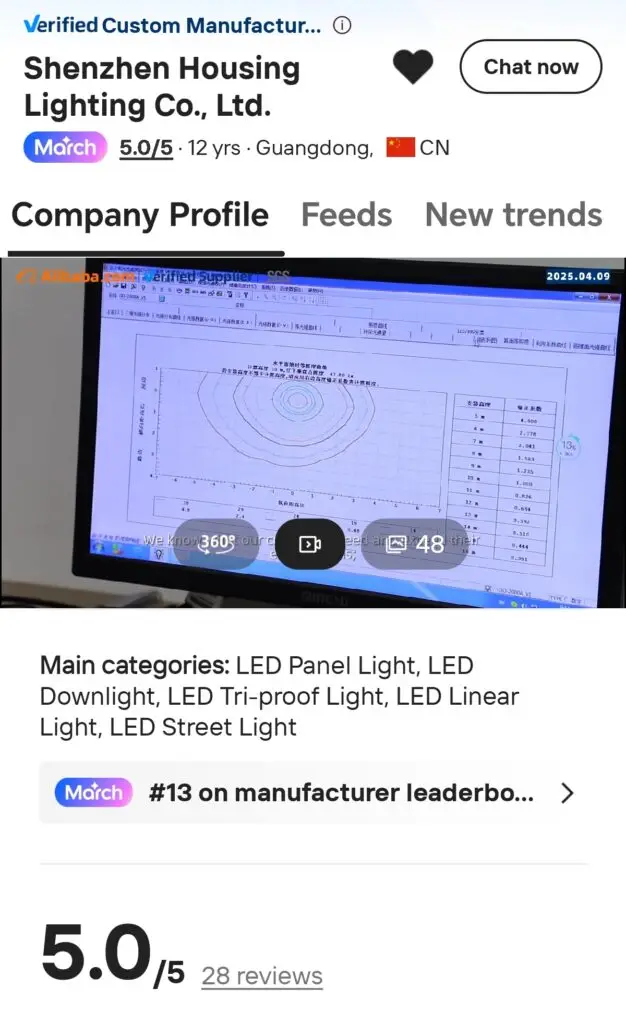
Why “Verified” Status Isn’t Enough?
Sure, that little badge looks nice. But dig deeper. Look for “Gold Plus” status – that means a third party actually visited their office. And don’t just take their word for it. Ask for photos of their factory floor, not just the showroom. A real factory will send you a messy workshop pic. A trading company will send you a polished catalog.
The Certification Trap
Always ask for ISO 9001 upfront. Then, ask for the safety marks specific to your country – UL for the US, CE for Europe, etc. If they hesitate or say “we’ll send it later,” move on. Trust your gut. If it feels off, it probably is.
Phase 2: Why You Must Visit the “Lighting Hubs” in Guangzhou

You cannot buy custom lighting from behind a screen. Period. You need to touch the materials, feel the weight, and see the finish under real light.
Guzhen (The Lighting Capital)
It’s just a short trip from Guangzhou, and when you step off the bus, the first thing you’ll notice is that everything is lights. Shop after shop, showrooms glittering on every street. It’s overwhelming, but in the best way possible. I always tell first-timers: just wander. Get lost. You’ll discover small family workshops that aren’t on any map.
Dongguan for Tech
If your project involves smart controls or complex engineering, Dongguan is where the magic happens. This is where high-end R&D lives. Factories here are used to working with international brands, so they speak the language of quality.
The Trade Fair Strategy
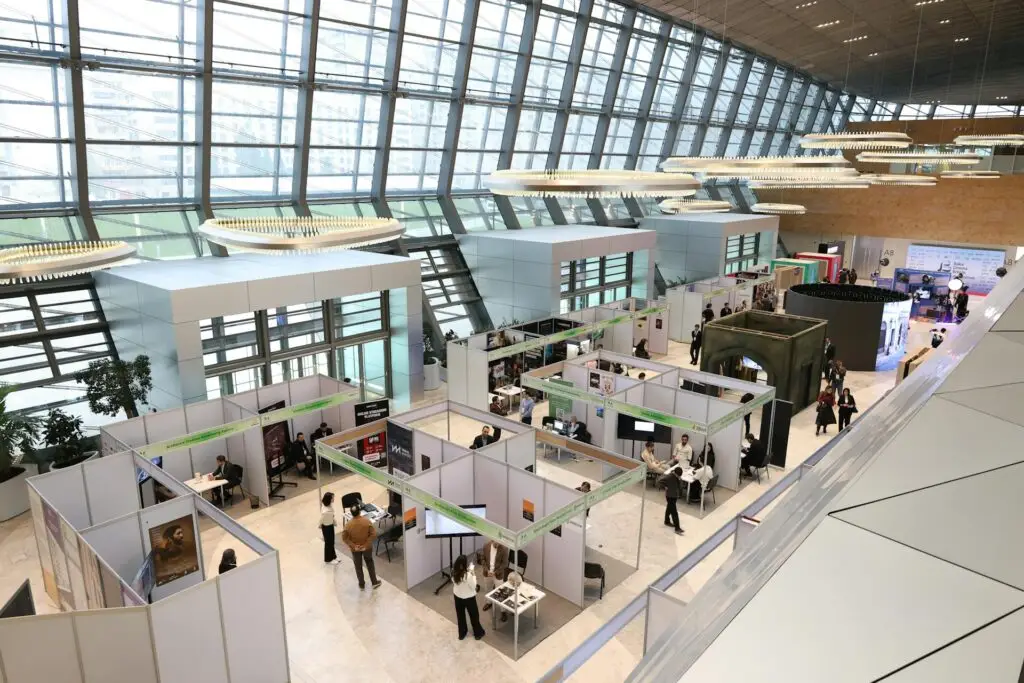
I always time my clients’ visits with the Guangzhou International Lighting Exhibition. It’s the best place to meet factory owners and engineers all in one spot. Plus, you can see what’s trending before it hits the market.
Phase 3: The “Golden Rule” of Custom Projects
Okay, I have to admit something. I learned this rule the hard way.
A few years ago, I helped a client with a custom pendant light project. The 3D render was gorgeous – sleek, modern, exactly what he wanted. We were so excited that we skipped the physical sample and went straight to production. Big mistake.
When the lights arrived, they looked right, but the weight was off. The brackets didn’t align. And the installation? A nightmare. We ended up spending more on fixes than we saved by skipping the sample.
Now, I follow one strict rule: Never, ever start mass production based on a 3D render. You must hold a physical sample in your hand first.
When you receive that prototype, don’t just admire it. Tear it apart. Check the Bill of Materials (BOM). Is the driver the brand they promised? Is the LED chip high quality? This is where many factories try to save costs – so stay sharp. When it comes to high-end projects, the most critical step in sourcing custom lighting is providing precise technical drawings to avoid any manufacturing errors
Phase 4: Trust, but Verify (Third-Party Inspections)
I know, I know. This step costs money. You might be thinking, “I’m already paying for the lights, why pay someone else?” But here’s the truth: skipping this is the easiest way to turn your dream project into an expensive pile of metal.
I always recommend hiring firms like SGS or QIMA. They’re like your eyes on the ground when you can’t be there. They’ll check:
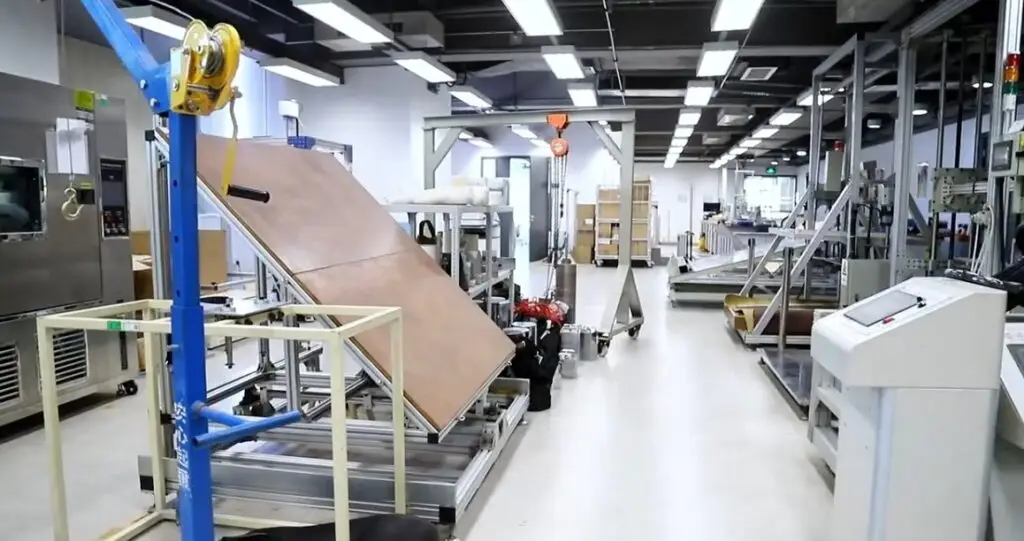
· Production Line: Are they actually making your lights, or just buying from someone else and reselling?
· Testing Equipment: Do they have an Integrating Sphere to measure light output? If not, your color temperature could be all over the place.
Final Quality: They’ll randomly pick boxes from your order and inspect every detail before you pay the final balance.
It costs a few hundred dollars, but it saves thousands in headaches.
Pro Tip for Sourcing Trips
Success in sourcing isn’t just about finding the right factory; it’s about being prepared. Before you head to the lighting markets, make sure your luggage and documents are ready with our [Guangzhou Business Travel Checklist].
Final Thoughts: Making It Easy (and Maybe Sharing Noodles)
Sourcing from China is a wild ride but it’s incredibly rewarding when you have the right local knowledge. I love seeing the look on my clients’ faces when they finally hold their perfect sample. It makes all the chaos of this city worth it.
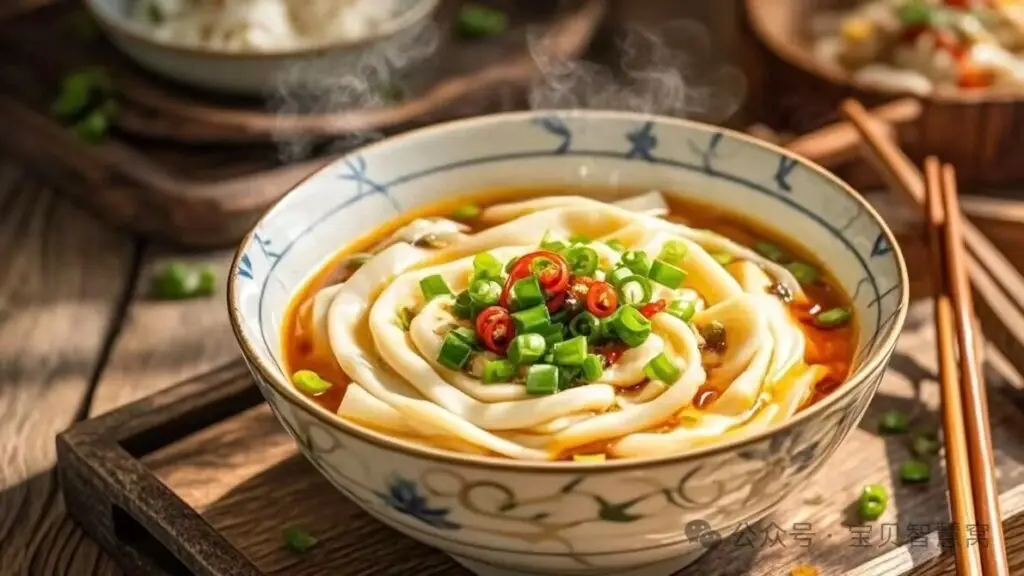
If you’re planning a trip to Guangzhou or just starting your search, don’t be a stranger. Drop me a message. I’m just a local girl who happens to know her way around the lighting markets. And if you’re lucky, I might even tell you which noodle shop near the Guzhen market has the best lunch specials. 😉
Have a question about a specific market or factory? Drop a comment below or send me a message. I’m here to help!