

My first afternoon in Guangzhou, I stood outside a noodle shop trying to pay with a credit card while the owner just pointed, patiently, at a little QR code taped to the counter. No English, no card machine, no cash register — just a code and a phone. That was the moment I understood: China doesn’t work quite like anywhere else, and no amount of general travel experience prepares you for it on its own.
Since then I’ve made most of the mistakes on this list at least once, so consider this the guide I wish someone had handed me at the airport.
China is one of the safest and most fascinating destinations in the world, but it has its own customs, technology, and everyday etiquette that may be unfamiliar to first-time visitors. By avoiding a few common mistakes, you’ll enjoy a smoother trip, avoid unnecessary stress, and leave a great impression on the locals.
Whether you’re visiting Guangzhou, Shanghai, Beijing, Xi’an, or any other city, these practical tips and cultural insights will help you travel with confidence.
Practical Preparation: Get These Right Before You Land
1Don’t Rely on Google Maps or Other Google Services
Many Google services — including Google Maps — don’t function reliably in mainland China. I learned this the hard way trying to walk to a hotel in Shenzhen with a blue dot that hadn’t moved in ten minutes. If you’re depending on Google for navigation, you may find that maps load slowly, display incomplete information, or don’t work at all.
- Download Amap (Gaode Maps) or Baidu Maps before your trip.
- If you use Gmail, Outlook, or another email service, sign in and configure your preferred email app before traveling to avoid unnecessary complications.

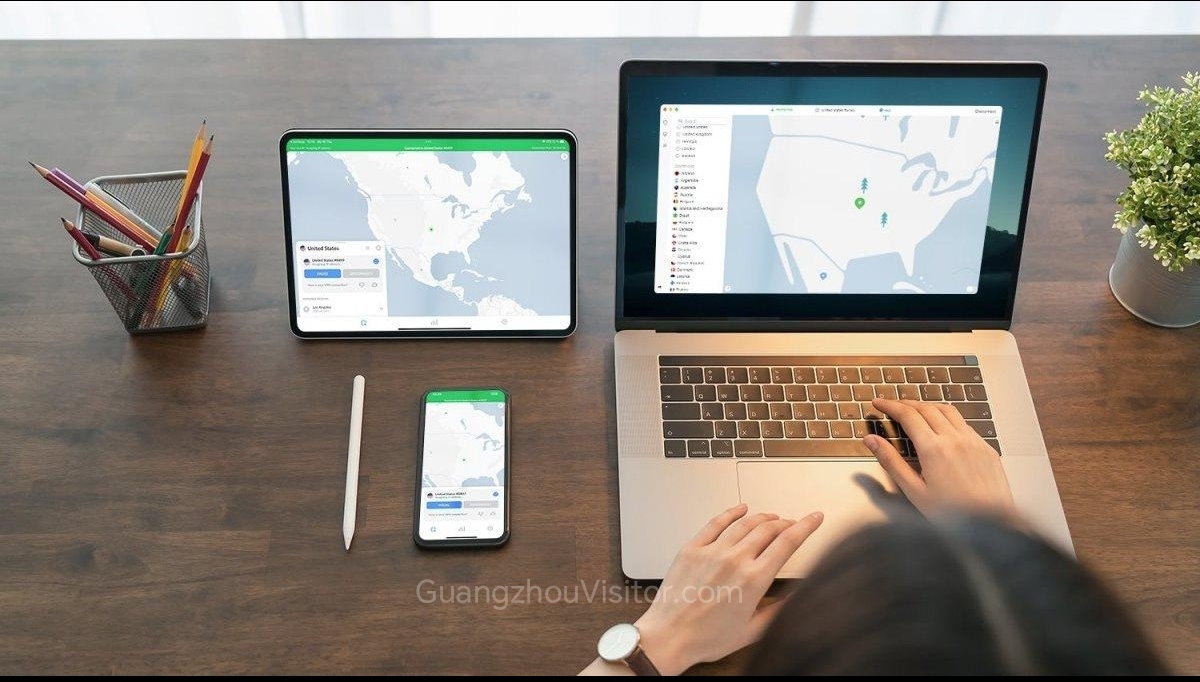
NordVPN is the one I keep coming back to — it’s simple to set up, and (crucially) works reasonably well even with China’s filtering, though no VPN is 100% guaranteed given how often things change there.
2Don’t Wait Until You Arrive to Set Up Alipay or WeChat
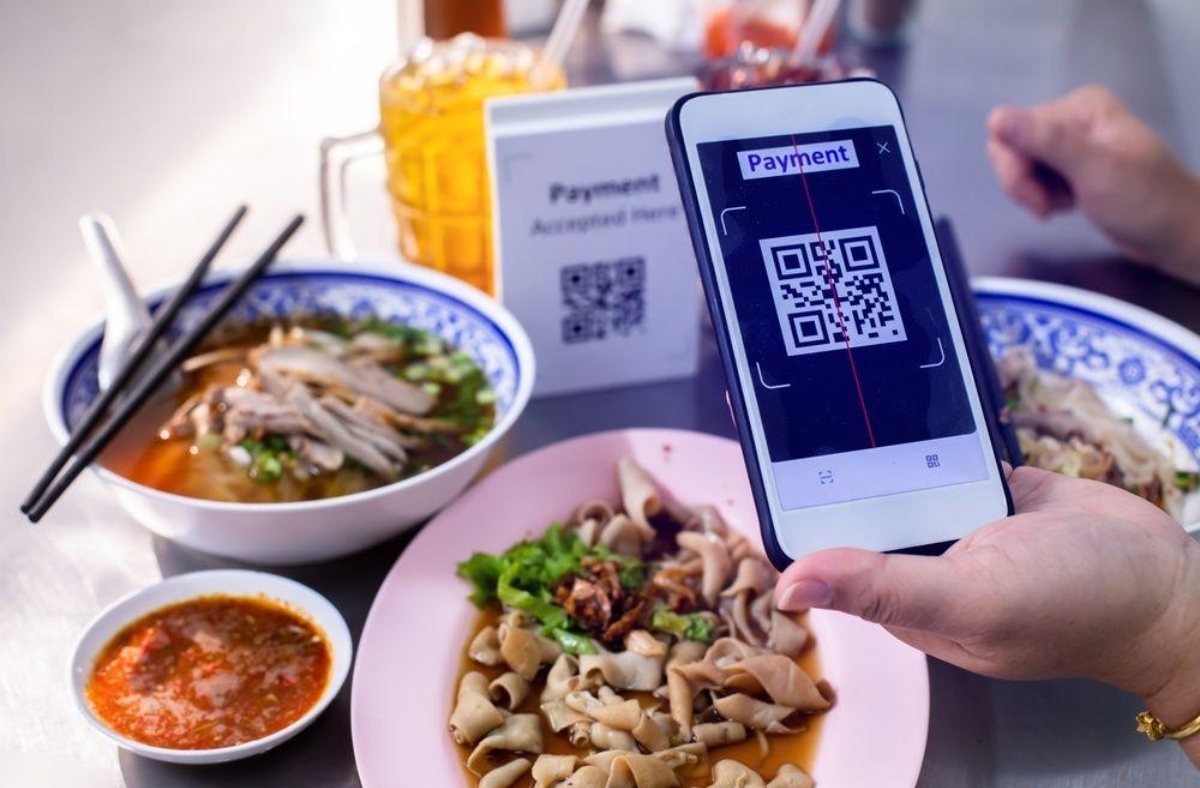
China is largely a cashless society. While international visitors can use Alipay and WeChat with eligible foreign bank cards, setting everything up after arrival can be inconvenient — hotel Wi-Fi is not the moment you want to be fighting with identity verification screens.
- Download both apps before leaving home.
- Link your payment card in advance.
- Complete any available identity verification before your flight.
Direct downloads, so you don’t have to go hunting:
While it may still be possible to download and configure these apps after arriving in China, preparing everything beforehand will save time and help you start using digital payments immediately. If PayPal is more your speed, it’s worth checking whether its new WeChat Pay integration is available on your account before you rely on it as a backup.
3Don’t Depend on Cash Alone
Cash is still legal tender in China, and merchants are required to accept it. However, many businesses rely almost entirely on QR-code payments, and some smaller shops may not always have enough change available.
- Use Alipay or WeChat Pay as your primary payment method.
- Carry 200–500 RMB in cash for emergencies or small purchases.
4Don’t Flag Down Random Taxis When You Can Use Didi
Although licensed taxis are generally safe, using a ride-hailing app offers a more convenient experience. You’ll see the fare in advance, avoid language barriers, and have a record of your trip — which matters more than you’d think when you can’t read the meter or explain where you’re going.
Download Didi Chuxing, China’s largest ride-hailing platform. It can be linked to supported payment methods and is available in English for international visitors. In a sprawling city like Guangzhou, the metro is often just as fast for longer distances and a lot cheaper — worth pairing the two rather than relying on one alone.
5Don’t Travel Without Mobile Data

Having reliable internet access is essential in China. You’ll use your phone for maps, transportation, translations, restaurant menus, hotel bookings, and digital payments — genuinely more than at home, since so many of those things aren’t optional analog fallbacks here.
Purchase an eSIM before your trip or buy a local SIM card after arrival. Setting up your connectivity in advance means you’ll be online the moment your plane lands, which matters more in China than almost anywhere else I’ve traveled.
6Don’t Forget a Universal Travel Adapter
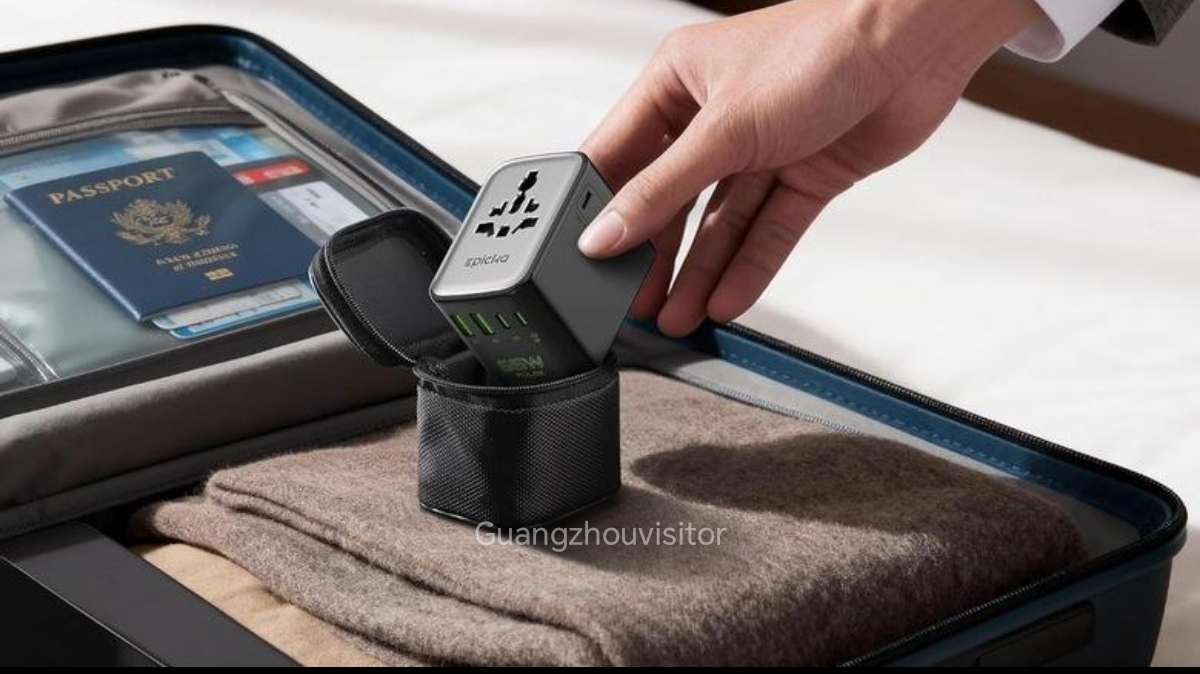
China uses 220V electricity, and you’ll encounter several socket types, including Type A, C, and I.
Pack a universal travel adapter along with a portable power bank. Since your smartphone will be your map, wallet, translator, and ticket, keeping it charged throughout the day is essential.
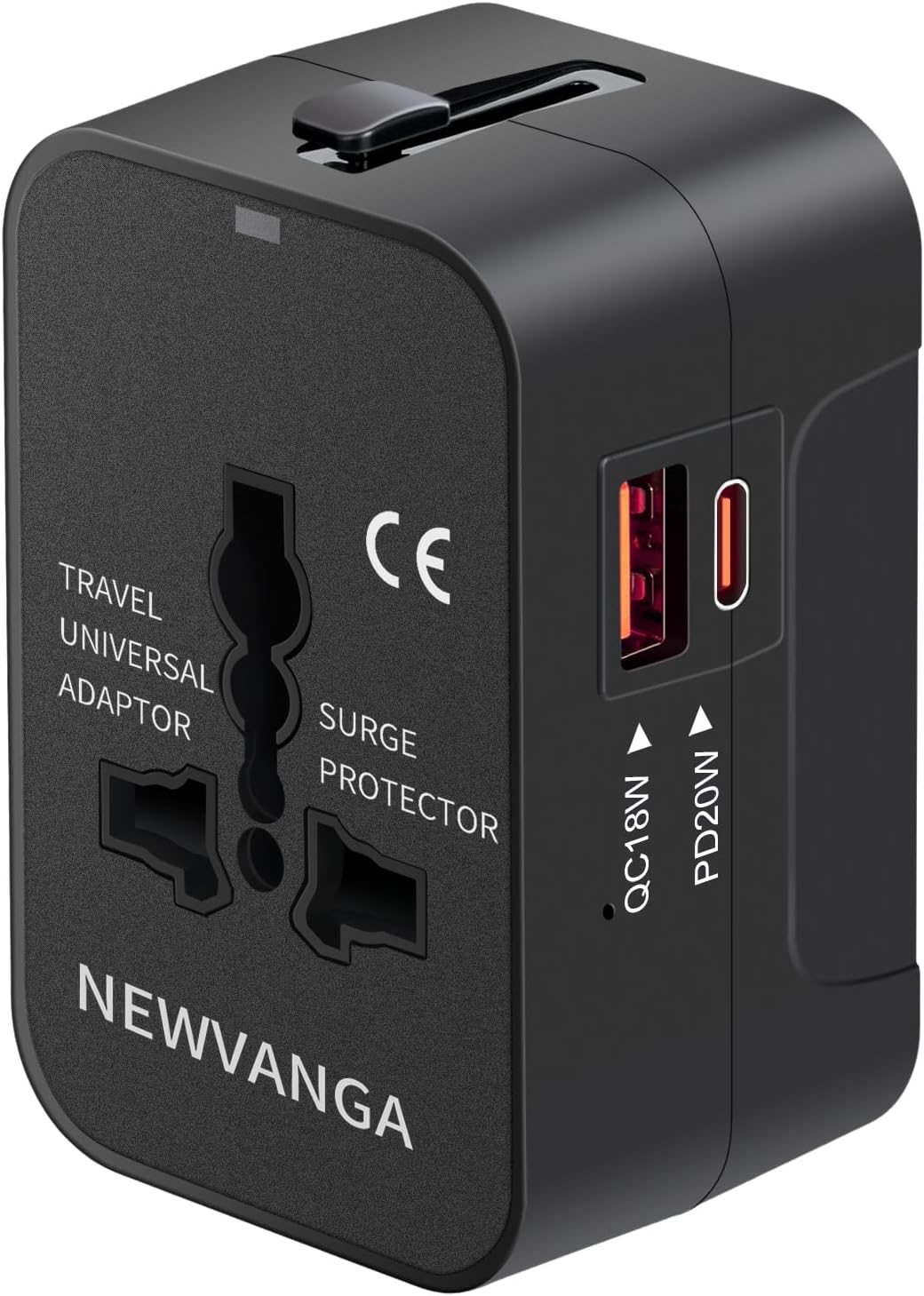
Essential for all my travels, this adapter keeps my gadgets charged on the go!
Get This Adapter on Amazon7Don’t Leave Your Passport Unavailable
Foreign visitors should always know where their passport is and be prepared to present identification if requested by the authorities or during hotel check-ins and transportation procedures.
Carry your passport whenever appropriate, especially when traveling between cities. It’s also a good idea to keep a secure digital copy of your passport and visa on your phone as a backup.
Understanding a few local customs can help you avoid awkward situations and show respect for Chinese culture. None of these are dealbreakers if you slip up — but knowing them ahead of time saves you a confused look across the dinner table.
8Don’t Wear a Green Hat
One of China’s most well-known cultural taboos involves green hats. In Chinese culture, wearing a green hat traditionally suggests that a man’s partner has been unfaithful. While most locals understand that foreigners don’t know this expression, wearing one may still attract amused looks.
Choose hats in other colors such as black, blue, gray, or red.
9Don’t Give a Clock as a Gift
If you’re bringing gifts to Chinese friends or business partners, avoid giving clocks or alarm clocks. The phrase “giving a clock” (送钟) sounds almost identical to “attending a funeral” (送终) in Chinese, making it an unlucky gift.
Popular gifts include tea, local specialties from your country, high-quality chocolates, souvenirs, or red envelopes for special occasions.
10Don’t Stick Chopsticks Upright in Your Rice Bowl
Placing chopsticks vertically in a bowl of rice resembles offerings made during funeral rituals. Although nobody expects foreign visitors to know every tradition, this is one custom that’s easy to avoid — and one of the first things locals will gently point out if you do it.
Place your chopsticks neatly across your bowl or on the chopstick rest when you’re not eating.
11Don’t Expect Everyone to Speak English
While English is commonly spoken in major international hotels and some tourist attractions, it’s much less common in local restaurants, convenience stores, taxi services, and smaller cities.
- Keep a translation app ready.
- Save your hotel address in Chinese.
- Learn a few simple Mandarin phrases: Nǐ hǎo (你好) – Hello, Xièxie (谢谢) – Thank you, Duìbùqǐ (对不起) – Sorry.
Even a few words of Mandarin are usually appreciated — people tend to light up a little when you try, even badly.
12Don’t Drink Tap Water
Although tap water is treated, it is generally not recommended for visitors to drink directly in mainland China. Most hotels provide bottled water or electric kettles so you can boil water if needed.
Drink bottled or filtered water. Use boiled water for tea or coffee if bottled water isn’t available.
13Don’t Blow Your Nose Loudly at the Table
Dining in China is a social experience, and table etiquette is taken seriously. Blowing your nose loudly while people are eating may be considered impolite.
If you need to blow your nose, excuse yourself and use the restroom. If that’s not possible, turn away and do so as discreetly as possible.
14Don’t Wrap Gifts in White or Black Paper
Gift-giving plays an important role in Chinese culture, especially during festivals and business meetings. White and black are traditionally associated with mourning and funerals.
Choose brighter colors such as red, gold, pink, or orange. These colors symbolize happiness, prosperity, and good fortune.
15Don’t Assume China Works Like Home
One of the biggest mistakes travelers make isn’t cultural — it’s expecting everything to operate the same way it does back home. China has developed its own digital ecosystem. Payments, transportation, messaging, food delivery, maps, and even shopping often rely on different apps and services than those used in Europe or North America.
The more flexible you are, the smoother your trip will be. This was the one that took me longest to internalize — I kept reaching for habits that simply didn’t apply.
Embrace the differences. Trying new foods, learning local customs, and adapting to China’s way of doing things is part of what makes visiting the country such a memorable experience.
What If You Make a Mistake?
Don’t worry.
Chinese people generally understand that international visitors aren’t familiar with every local custom. If you accidentally make a mistake:
- Smile.
- Apologize politely if appropriate.
- Learn from the experience.
- Move on.
A friendly attitude and genuine curiosity will always leave a better impression than trying to be perfect. I’ve fumbled chopstick etiquette in front of a table of local business partners and lived to tell the tale — nobody remembers it but me.
Common Mistakes Tourists Make Before Flying to China
Most of the stress I’ve seen other travelers go through wasn’t caused by anything that happened in China — it happened before they even boarded the flight. Run through this before you leave home:
- Installed Alipay and WeChat
- Linked an eligible international payment card
- Purchased an eSIM or arranged mobile data
- Installed a reliable VPN (if you plan to use one)
- Downloaded Amap or Baidu Maps
- Saved your hotel address in Chinese
- Packed a universal travel adapter
- Exchanged a small amount of RMB for emergencies
Essential Apps for China
| App | Purpose |
|---|---|
| Alipay | Payments |
| Messaging & Payments | |
| Didi | Ride-hailing |
| Amap | Navigation |
| Baidu Maps | Navigation |
| Pleco | Chinese Dictionary |
| Translate App | Language |
| Trip.com | Hotels & Trains |
Quick Cheat Sheet
| Avoid | Do Instead |
|---|---|
| Google Maps | Use Amap or Baidu Maps |
| Setting up payment apps after arrival | Install and verify Alipay & WeChat before your trip |
| Relying only on cash | Use Alipay or WeChat Pay, with cash as a backup |
| Hailing taxis on the street | Book rides with Didi |
| Traveling without mobile data | Buy an eSIM or local SIM |
| Forgetting a travel adapter | Bring a universal adapter and power bank |
| Wearing a green hat | Choose any other color |
| Giving a clock as a gift | Bring tea, local specialties, or souvenirs |
| Standing chopsticks upright in rice | Rest them horizontally |
| Expecting everyone to speak English | Use a translation app and learn a few phrases |
| Drinking tap water | Drink bottled or filtered water |
| Loudly blowing your nose at the table | Excuse yourself if possible |
| Wrapping gifts in white or black | Use red, gold, or other bright colors |
Frequently Asked Questions
Is China friendly to foreign tourists?
Can I use my Visa or Mastercard in China?
Is cash still accepted in China?
Is tipping expected in China?
What’s the biggest mistake first-time visitors make?
Bonus Tip
China may feel very different during your first day, especially if you’re used to Google services and credit card payments.
Don’t worry.
Most visitors adapt surprisingly quickly. After just a day or two, using QR-code payments, ordering rides, and navigating with local apps becomes second nature — it certainly did for me, faster than I expected.
Approach the experience with patience and curiosity, and you’ll discover just how convenient everyday life in China can be.
Final Thoughts
China is one of the world’s most exciting travel destinations, blending thousands of years of history with cutting-edge technology and vibrant modern cities.
Most of these “don’ts” aren’t strict rules — they’re simply practical tips and cultural insights that can help you avoid common mistakes and enjoy a smoother trip. I still catch myself relearning one of them every trip.
With the right preparation, an open mind, and a little curiosity, you’ll quickly discover why so many travelers fall in love with China.
Safe travels, and enjoy your adventure!