China’s high-speed rail (HSR) network is one of the most advanced in the world, covering more than 48,000 km (29,800 miles) and connecting hundreds of cities at speeds of up to 350 km/h (217 mph).
For most travelers, Second Class is the default choice, while First Class offers a quieter and more spacious ride. But if you’re planning a long journey, you may wonder whether Business Class (商务座) is really worth paying for.
Business Class can cost two to three times more than First Class and several times more than Second Class on some routes. However, the upgrade includes much more than a larger seat. Depending on the train and route, passengers may enjoy priority services, lounge access, complimentary refreshments, and one of the most comfortable rail seats in the world.
This guide combines official railway information, current Business Class features, and practical tips gathered from verified traveler experiences to help you decide whether the upgrade is worth your money.
China High-Speed Rail Business Class is worth it for journeys longer than four hours. You’ll enjoy wider reclining seats, quieter cabins, priority boarding, lounge access at many major stations, and complimentary meals on many long-distance routes. For shorter trips, First Class usually offers better value.
| Pros | Cons |
|---|---|
| Lie-flat or near-flat seat | Expensive |
| Quiet cabin | Not identical on every train |
| Priority boarding | Lounge availability varies by station |
| Complimentary meals (long routes) | Limited value on short trips |
China High-Speed Rail Seat Classes Compared
Before deciding, it’s helpful to understand what each ticket actually includes.
| Feature | Second Class | First Class | Business Class |
|---|---|---|---|
| Typical Seat Layout | 3+2 | 2+2 | 1+2 or 2+1 (varies by train) |
| Seat Recline | Limited | Comfortable | Nearly flat or fully flat (train dependent) |
| Legroom | Standard | Spacious | Excellent |
| Cabin Environment | Busy | Quiet | Very quiet |
| Priority Boarding | ❌ | ❌ | ✅ |
| VIP Lounge Access* | ❌ | ❌ | Usually Included |
| Complimentary Meal* | ❌ | ❌ | Usually included on many long-distance services |
*Amenities vary depending on the train type, route, and operating railway bureau.
Understanding China’s Business Class Carriages
One of the biggest misconceptions is that every Business Class carriage is identical. In reality, the experience depends on the train model.
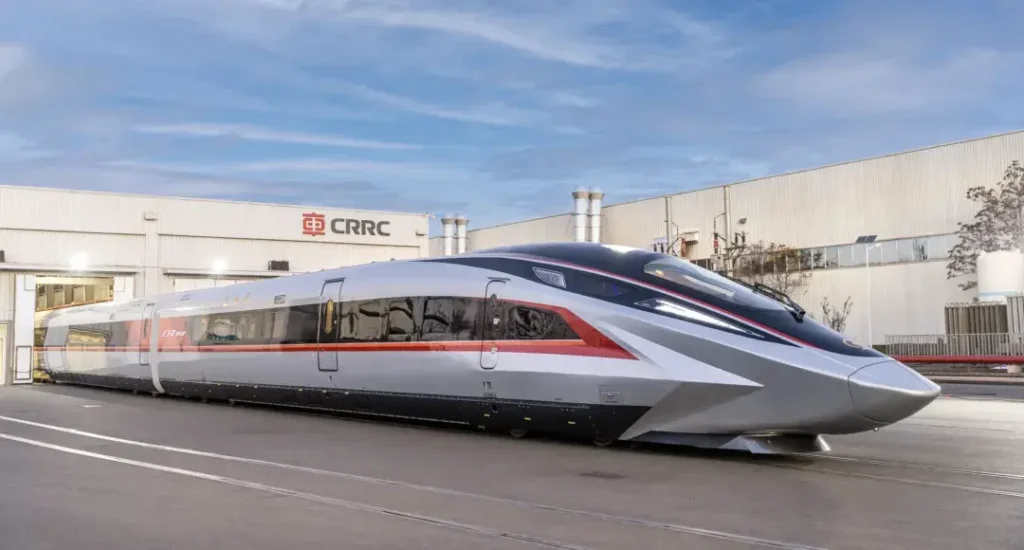
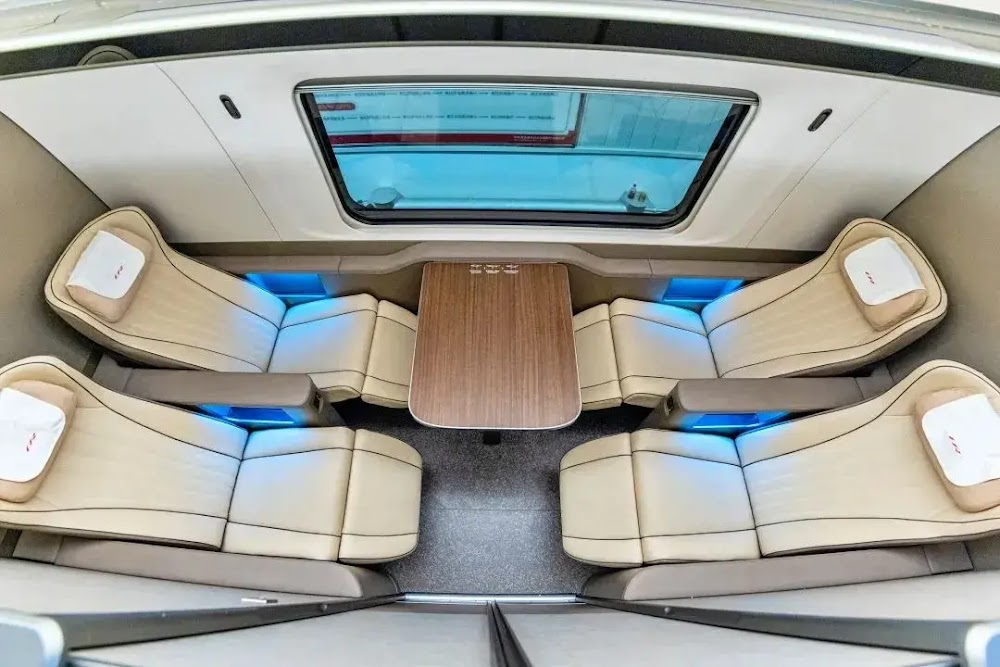
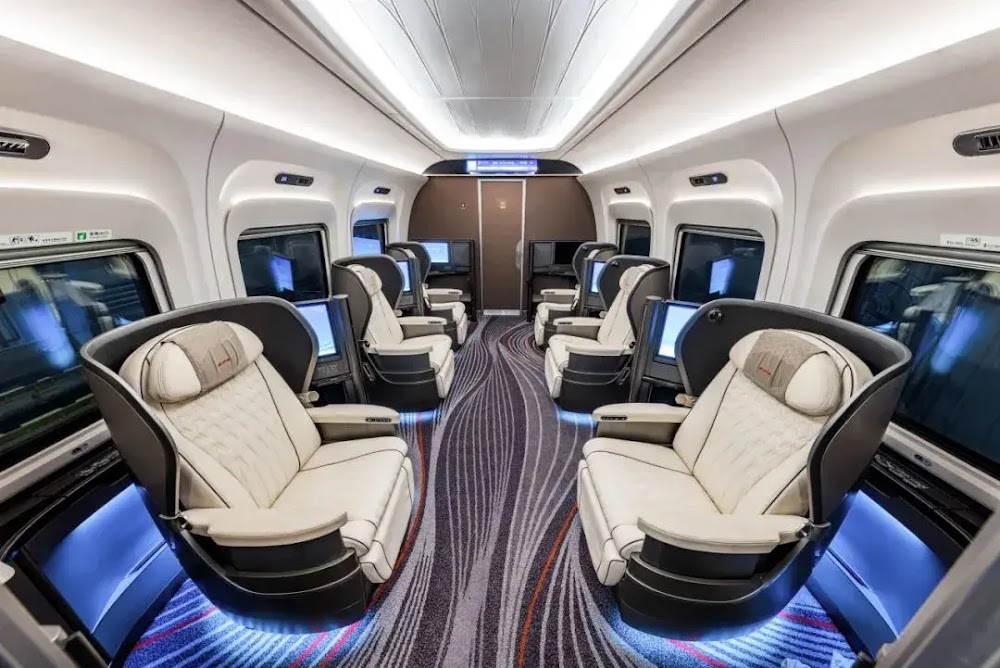
Modern CR400AF and CR400BF “Fuxing” trains generally offer the newest Business Class cabins, featuring wide reclining seats with high privacy partitions. Some trains use a 1+1 layout, while others have 2+1 seating.
Older train models, including some CRH380 services, may have a different cabin design with more seats and a slightly less private layout.
Although the experience is often compared to airline Business Class, it is not a fully enclosed suite. Instead, passengers enjoy exceptionally wide seats, generous personal space, and one of the quietest environments available on China’s railway network.
| Train Model | Business Class Rating |
|---|---|
| CR400AF (Fuxing) | ⭐⭐⭐⭐⭐ |
| CR400BF (Fuxing) | ⭐⭐⭐⭐⭐ |
| CRH380A | ⭐⭐⭐⭐☆ |
Station Experience: One of the Biggest Advantages
For many travelers, the premium experience begins before boarding the train. Business Class passengers can usually access dedicated services at major stations, making the entire departure process significantly smoother.
Benefits may include:
- Dedicated security screening lanes
- Priority boarding
- Access to Business Class waiting lounges at many large stations
- More assistance from railway staff
These benefits are especially valuable at busy hubs such as:
- Guangzhou South Railway Station
- Beijing South Railway Station
- Shanghai Hongqiao Railway Station
- Shenzhen North Railway Station
During holidays like Chinese New Year or Golden Week, avoiding long queues can save considerable time and reduce travel stress.



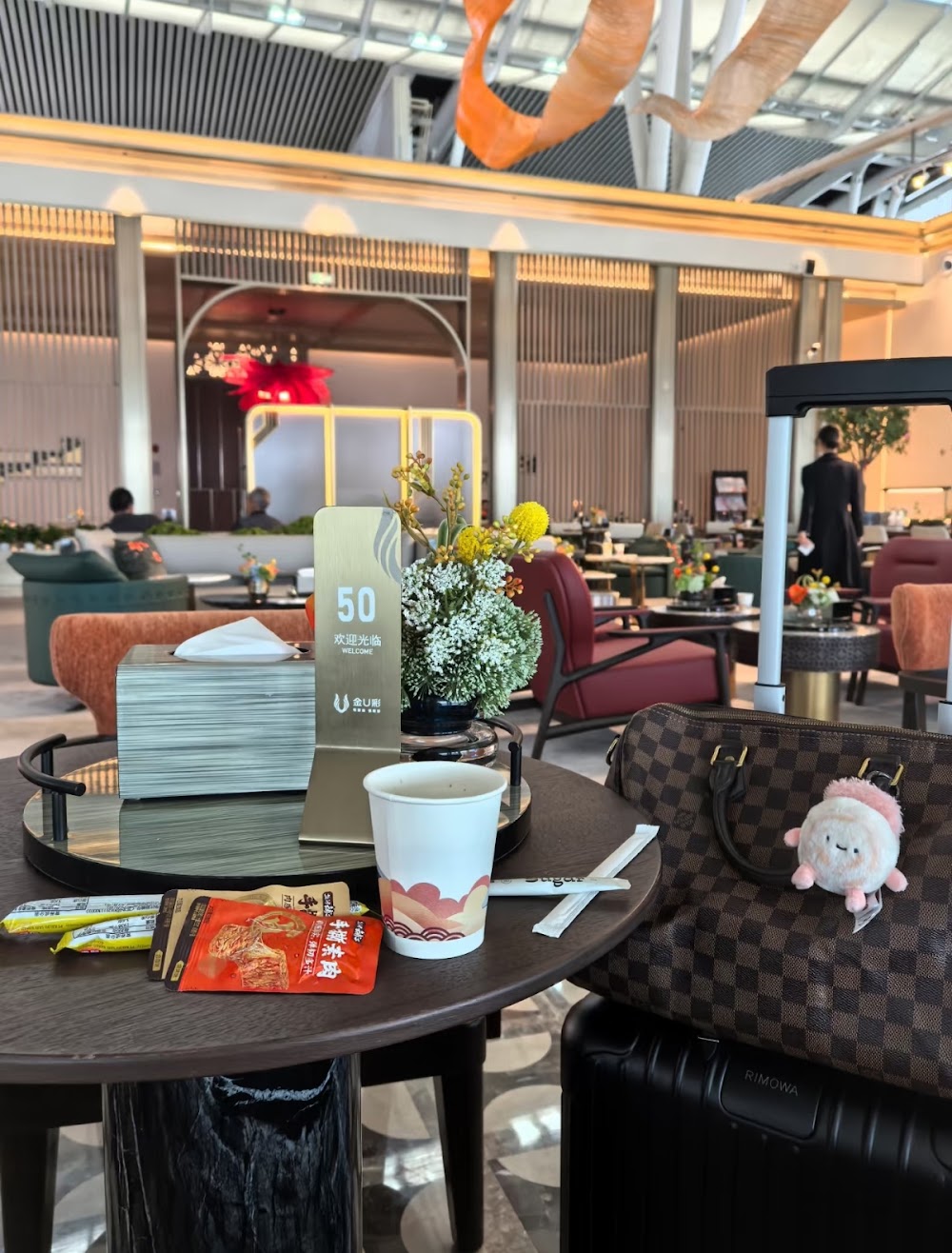
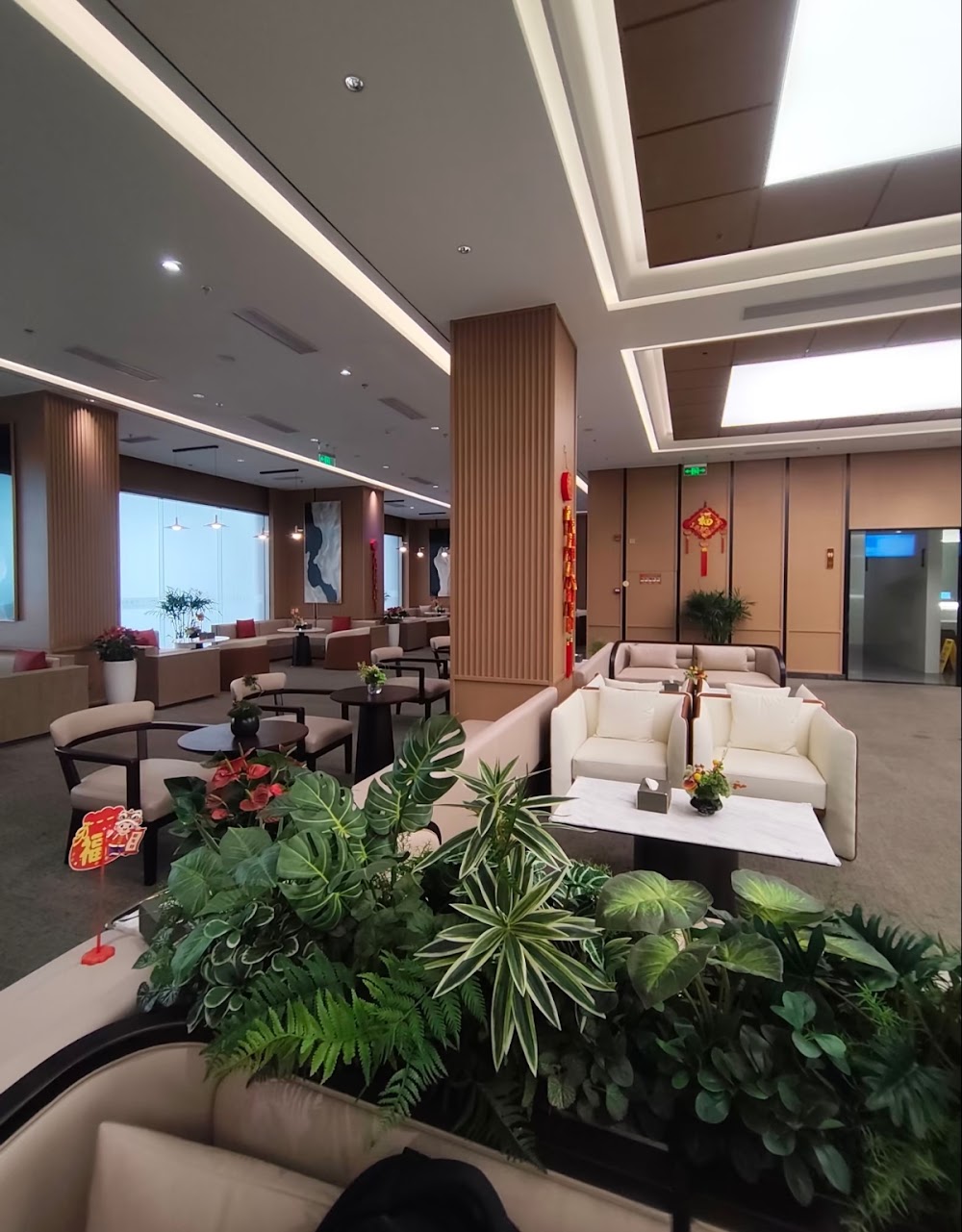
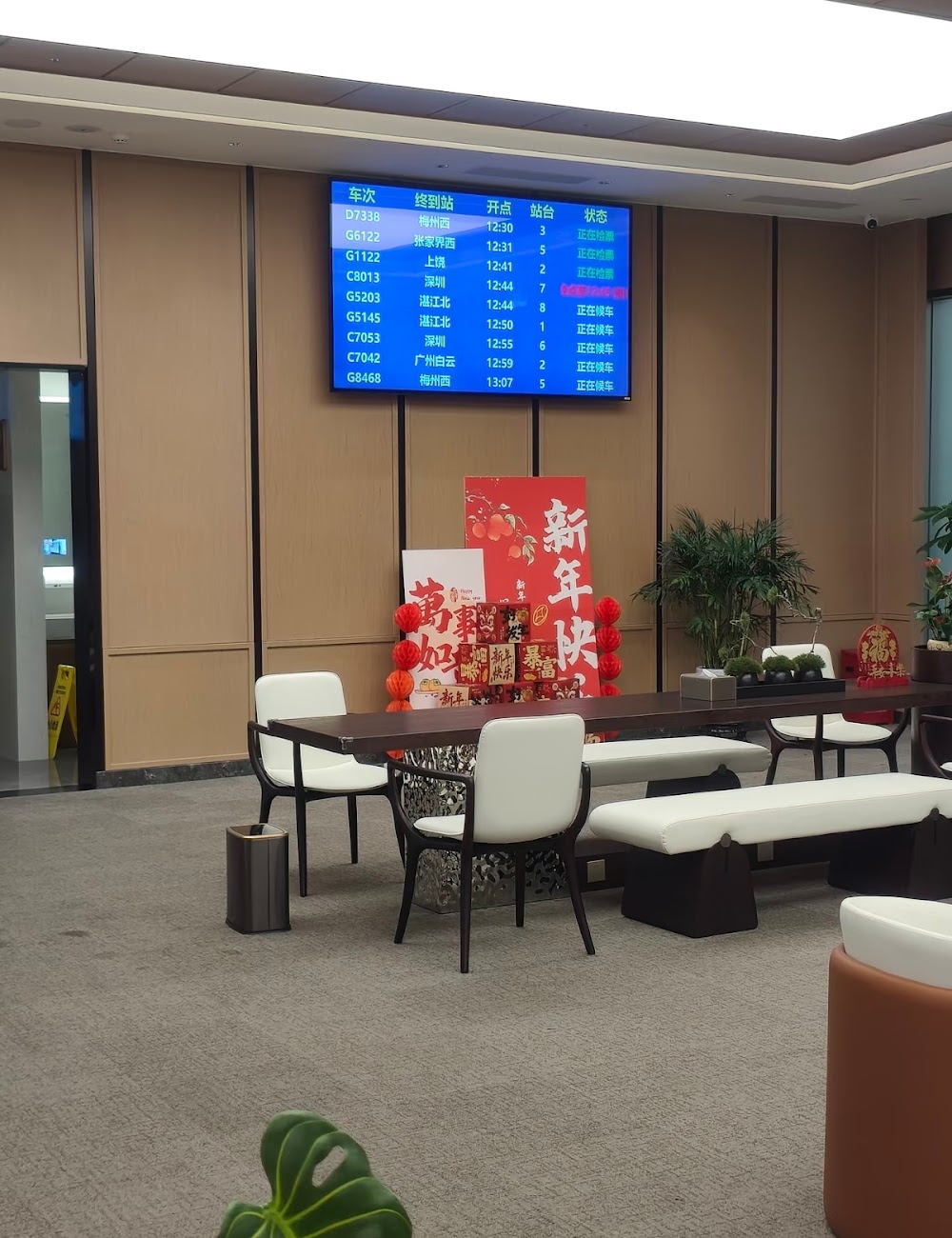
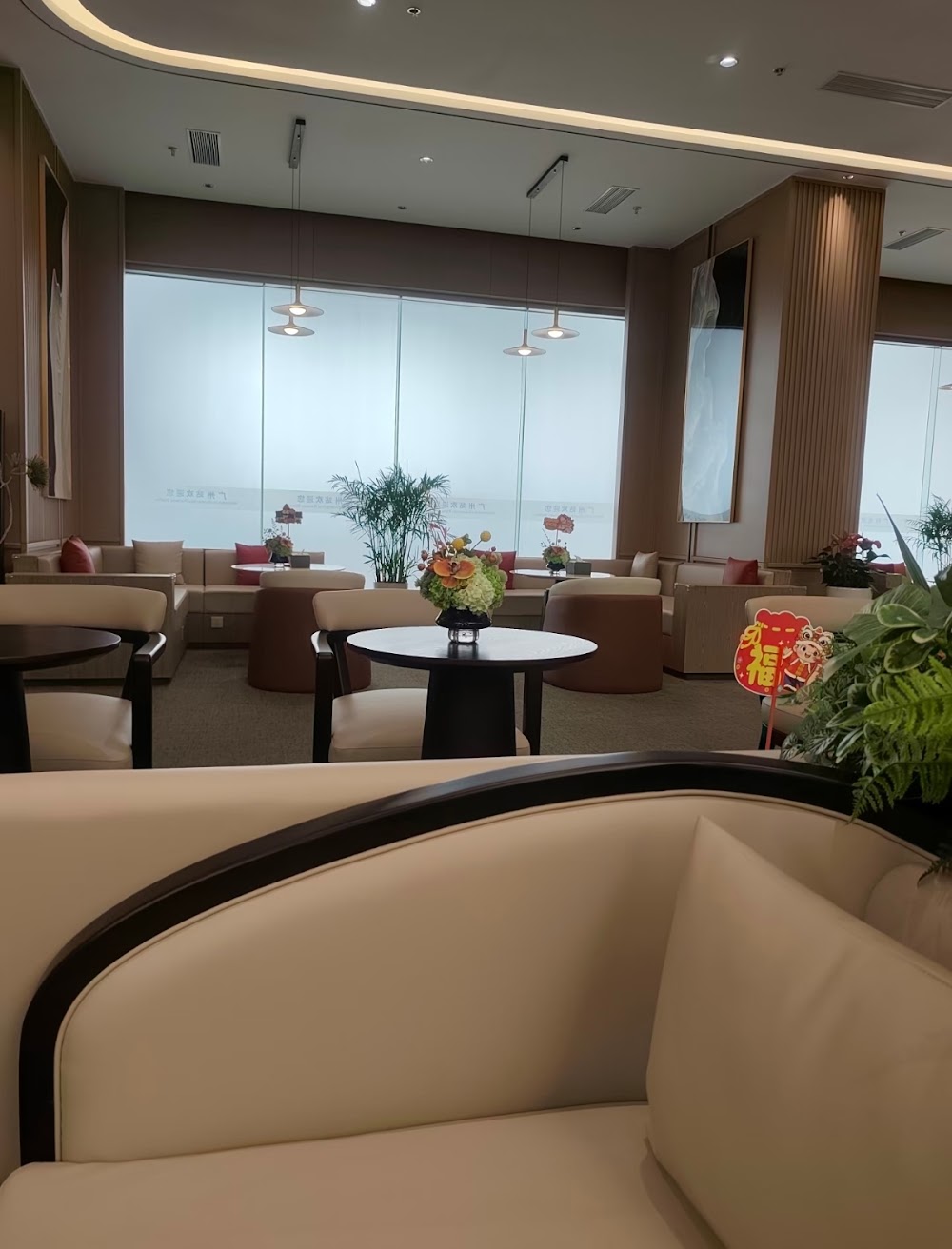
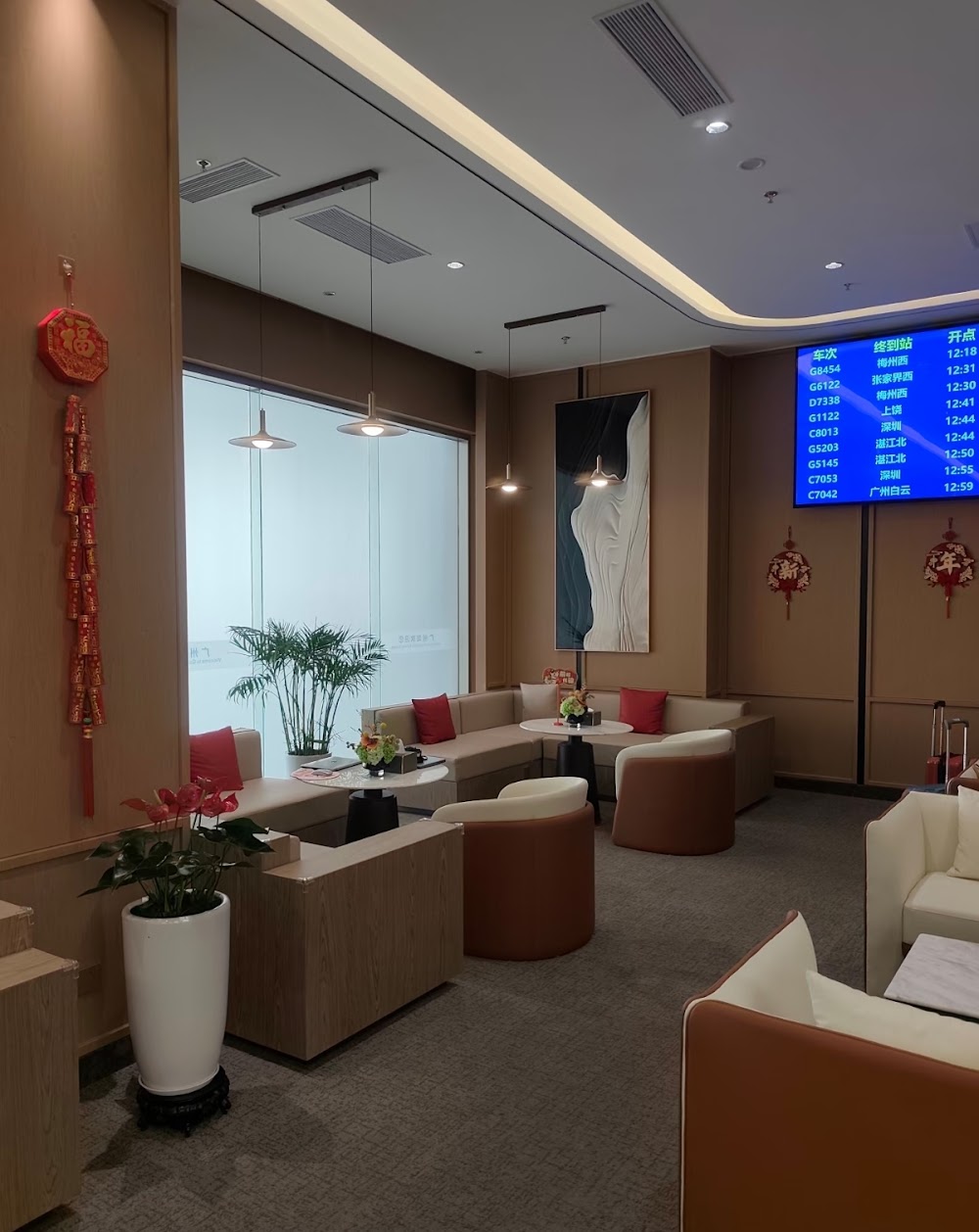
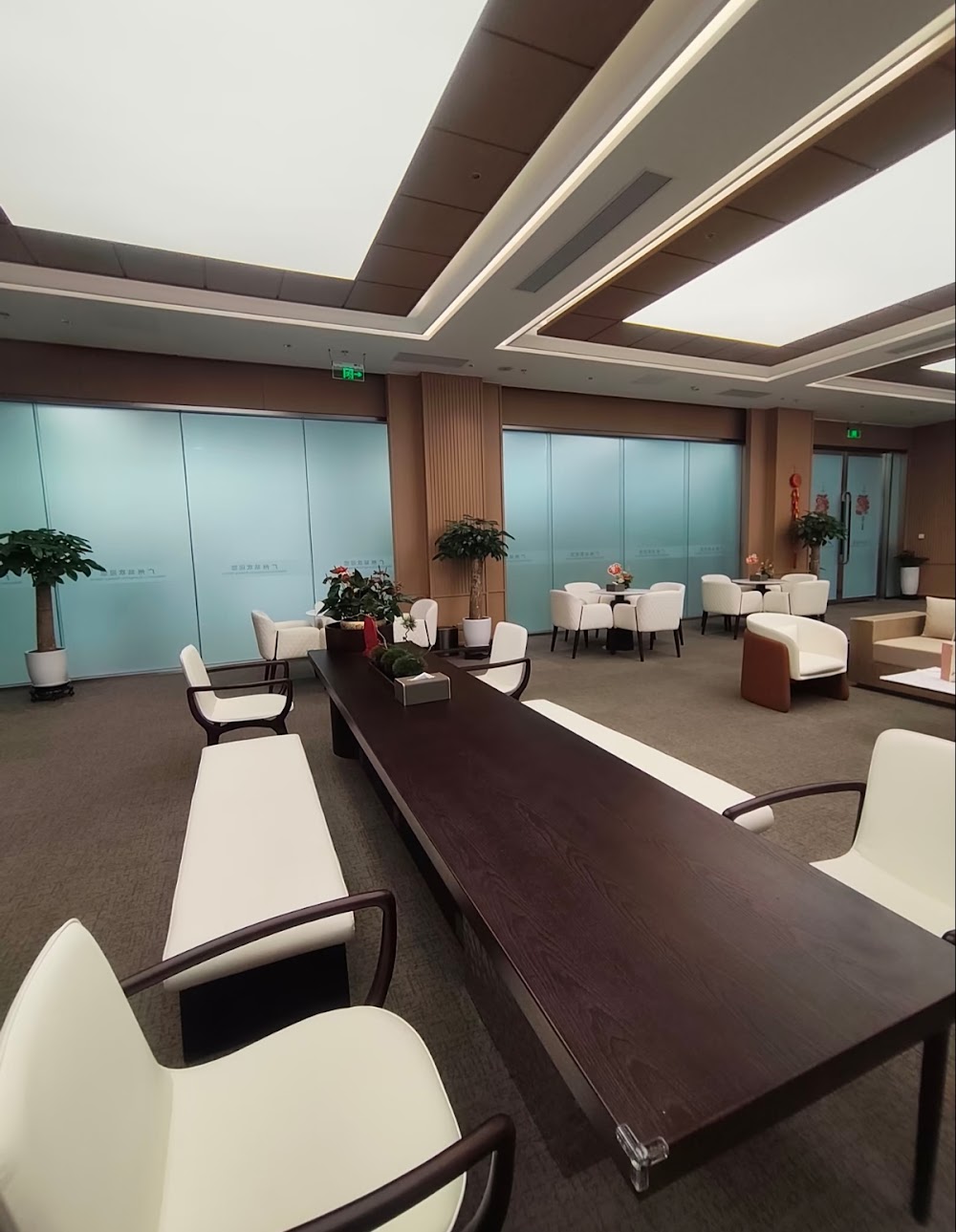
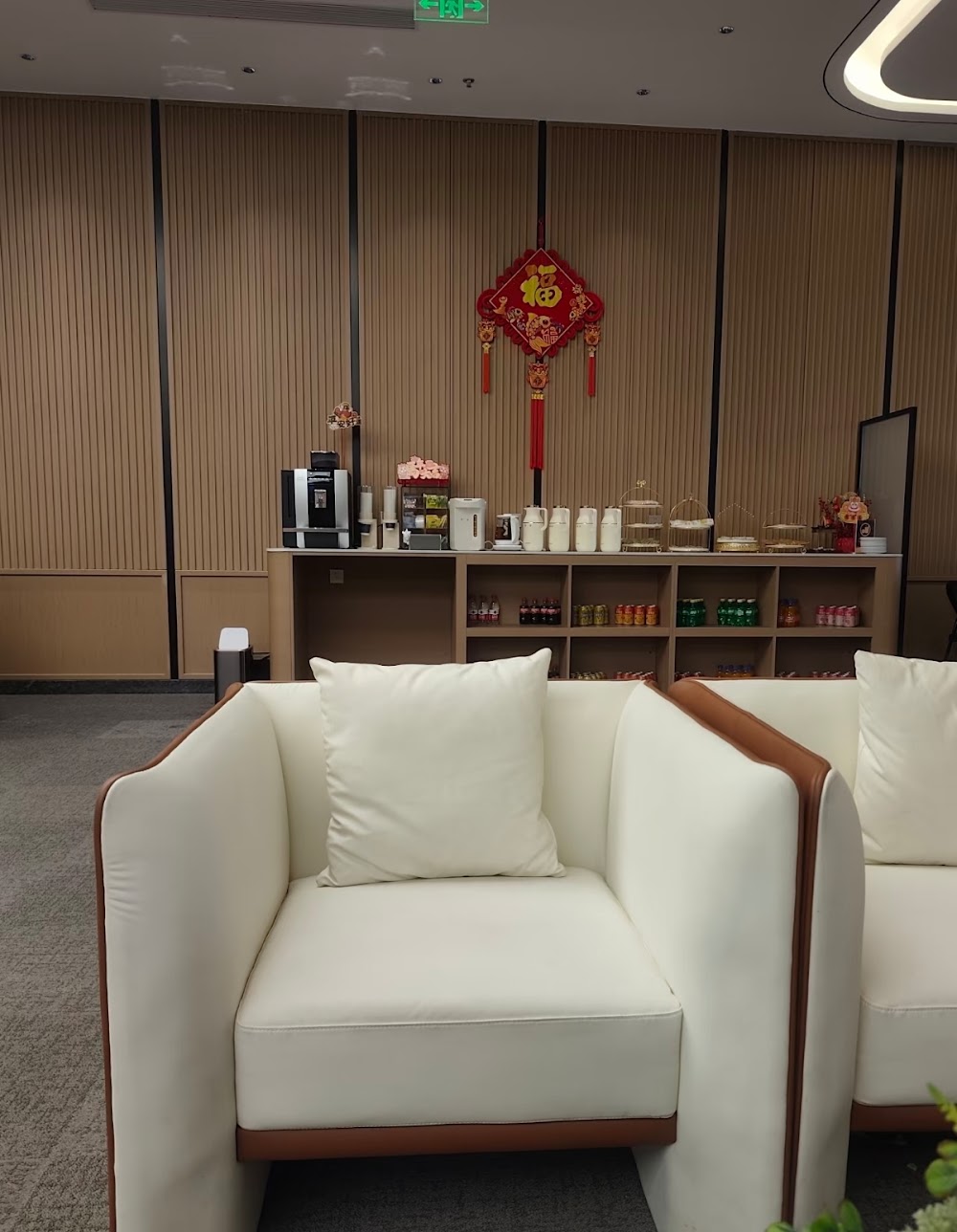
Business Class Lounges
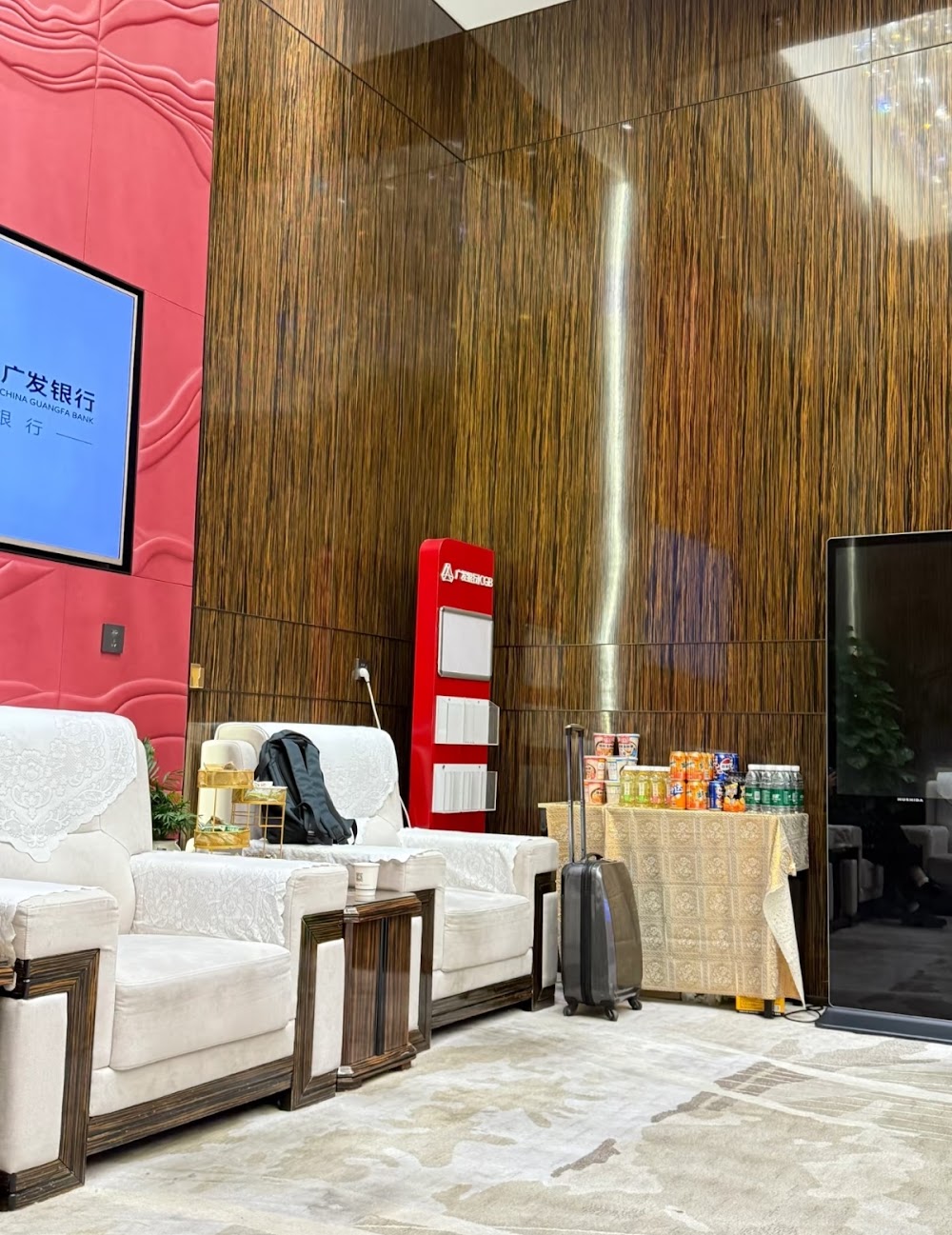
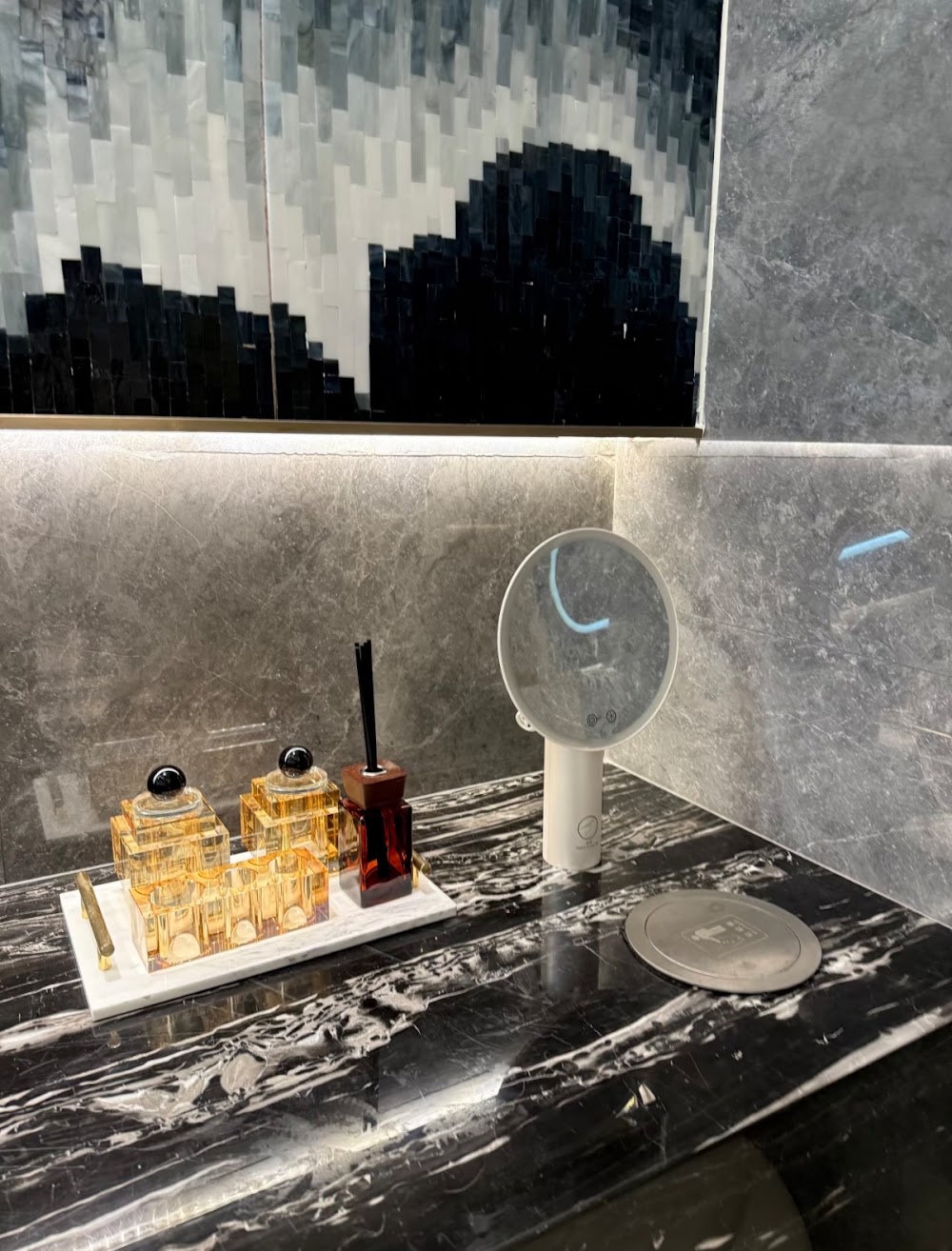
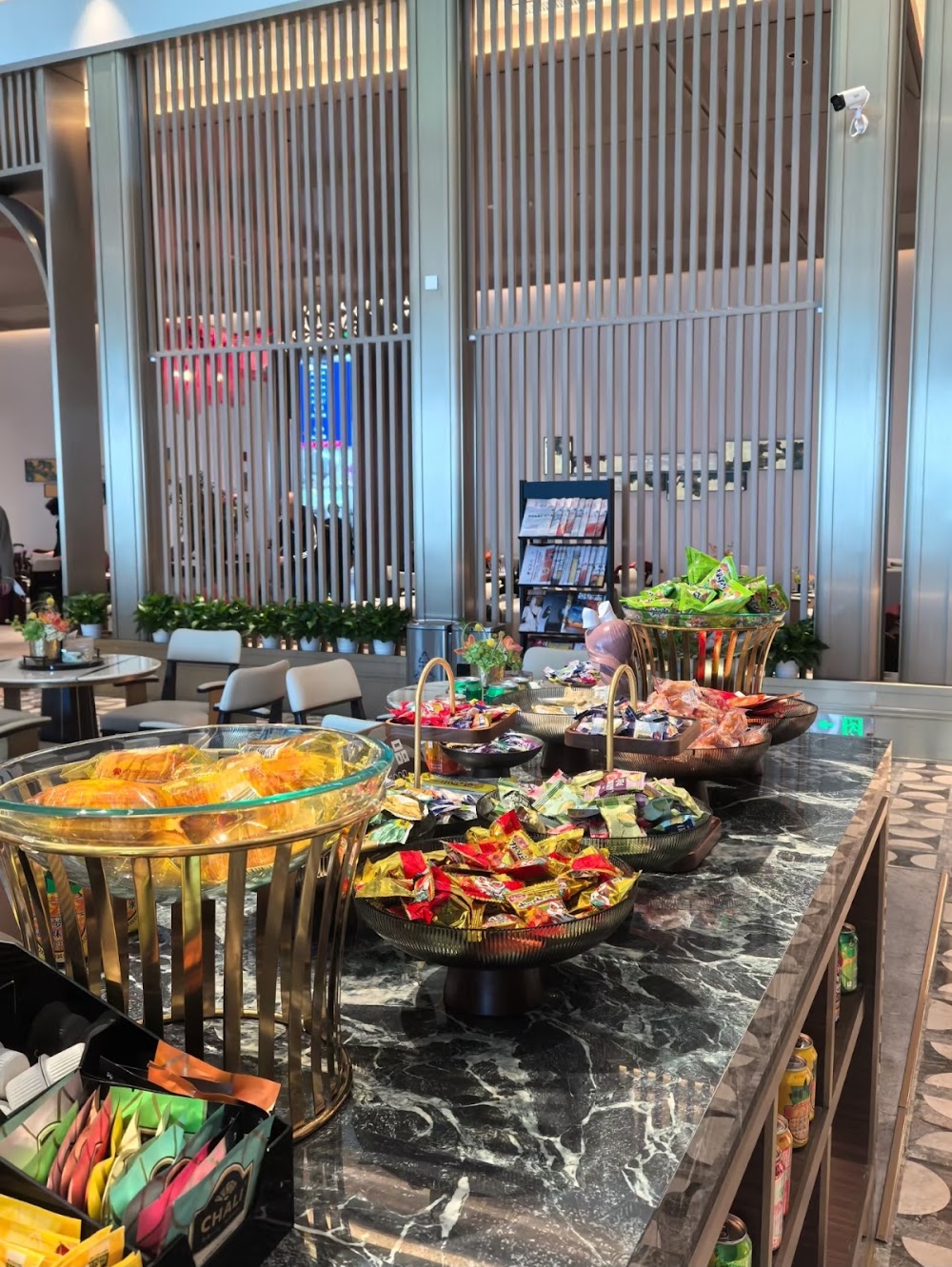
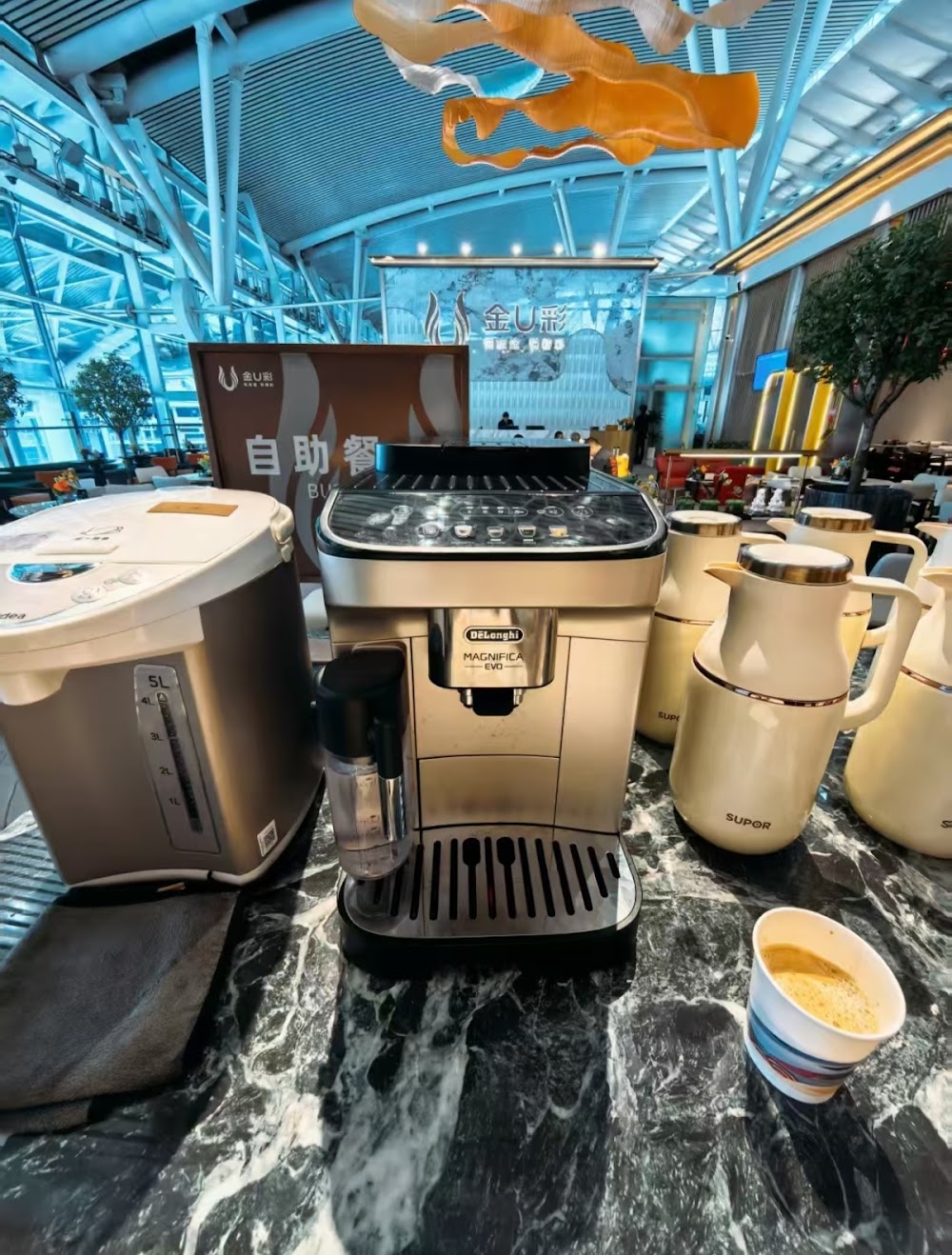
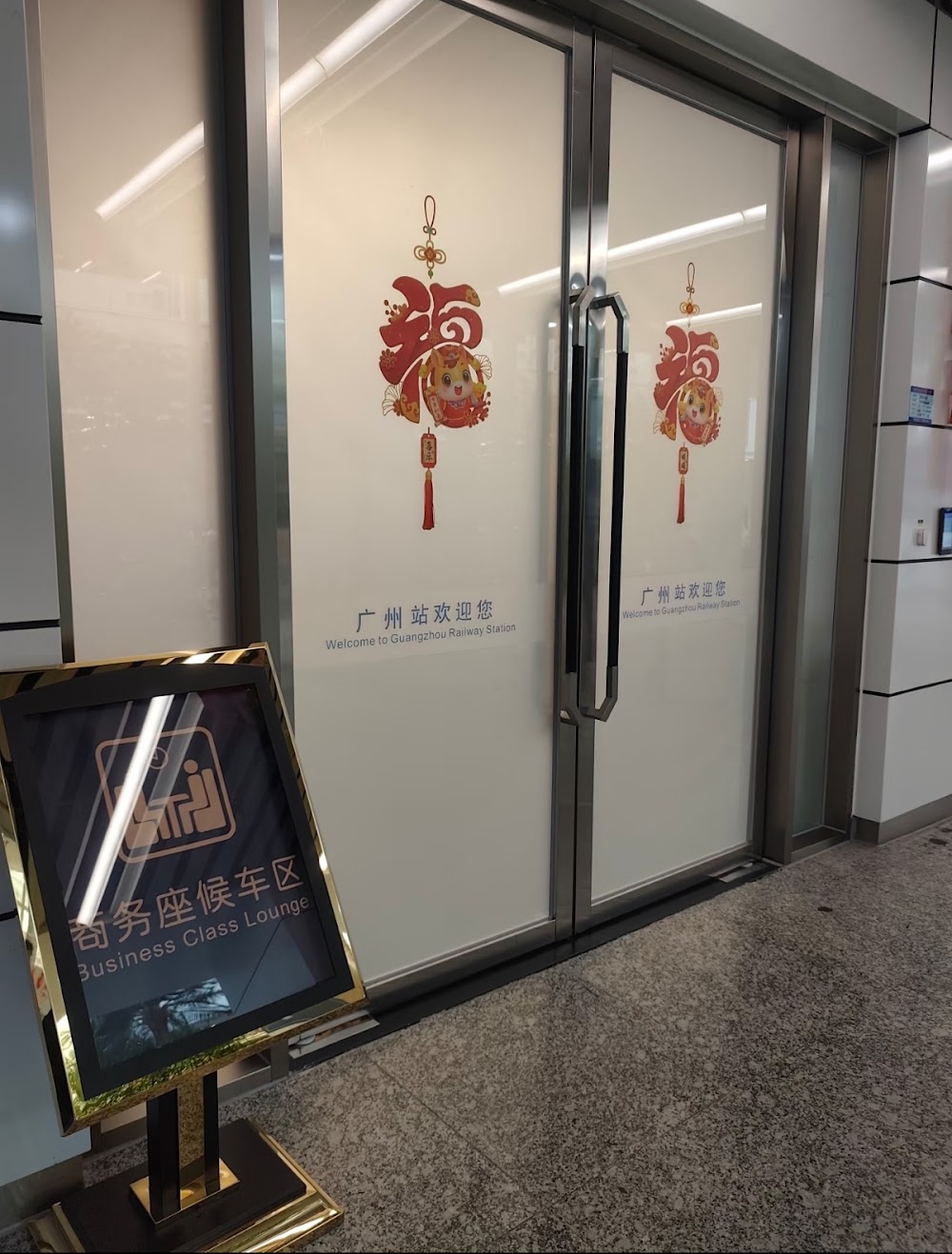
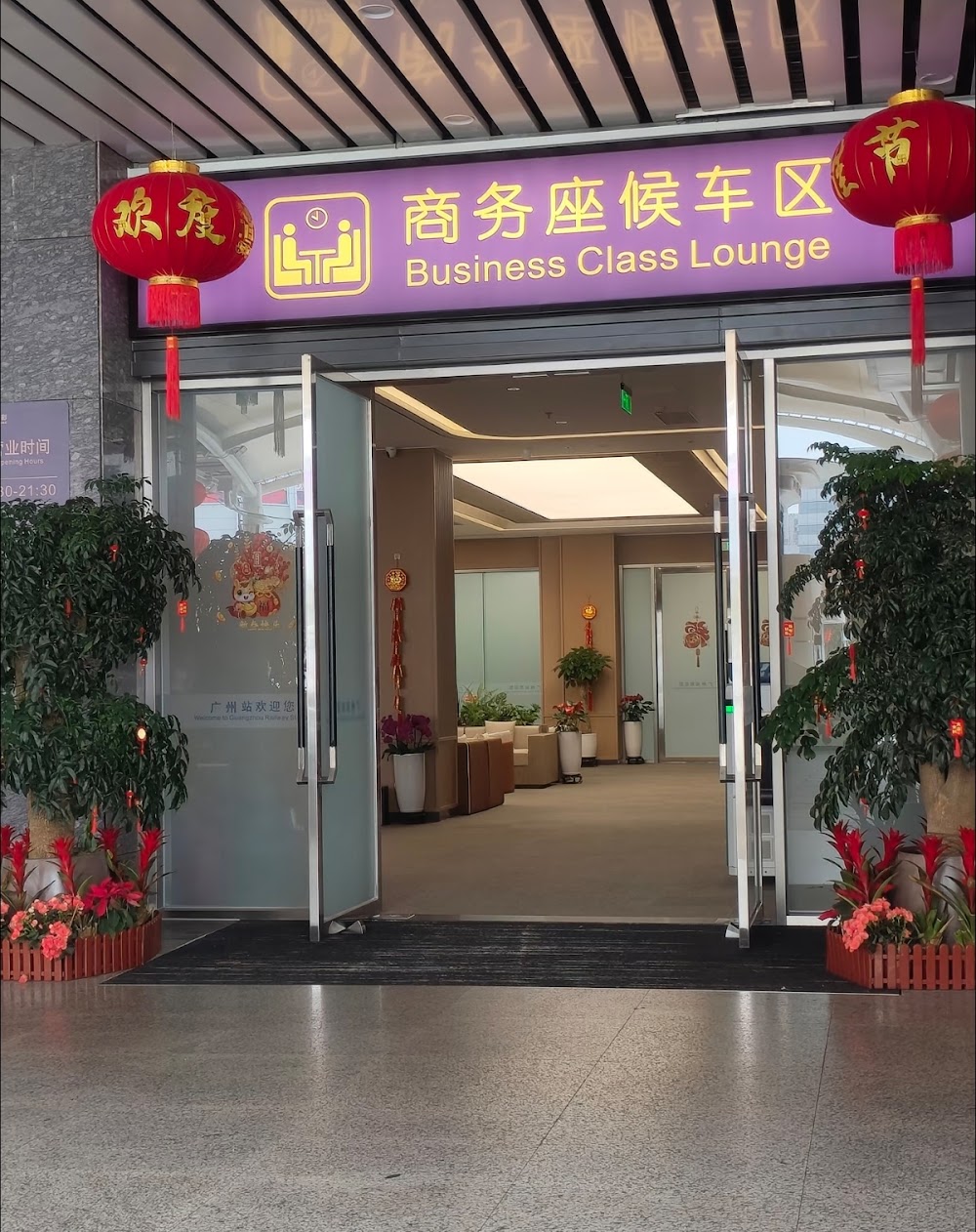
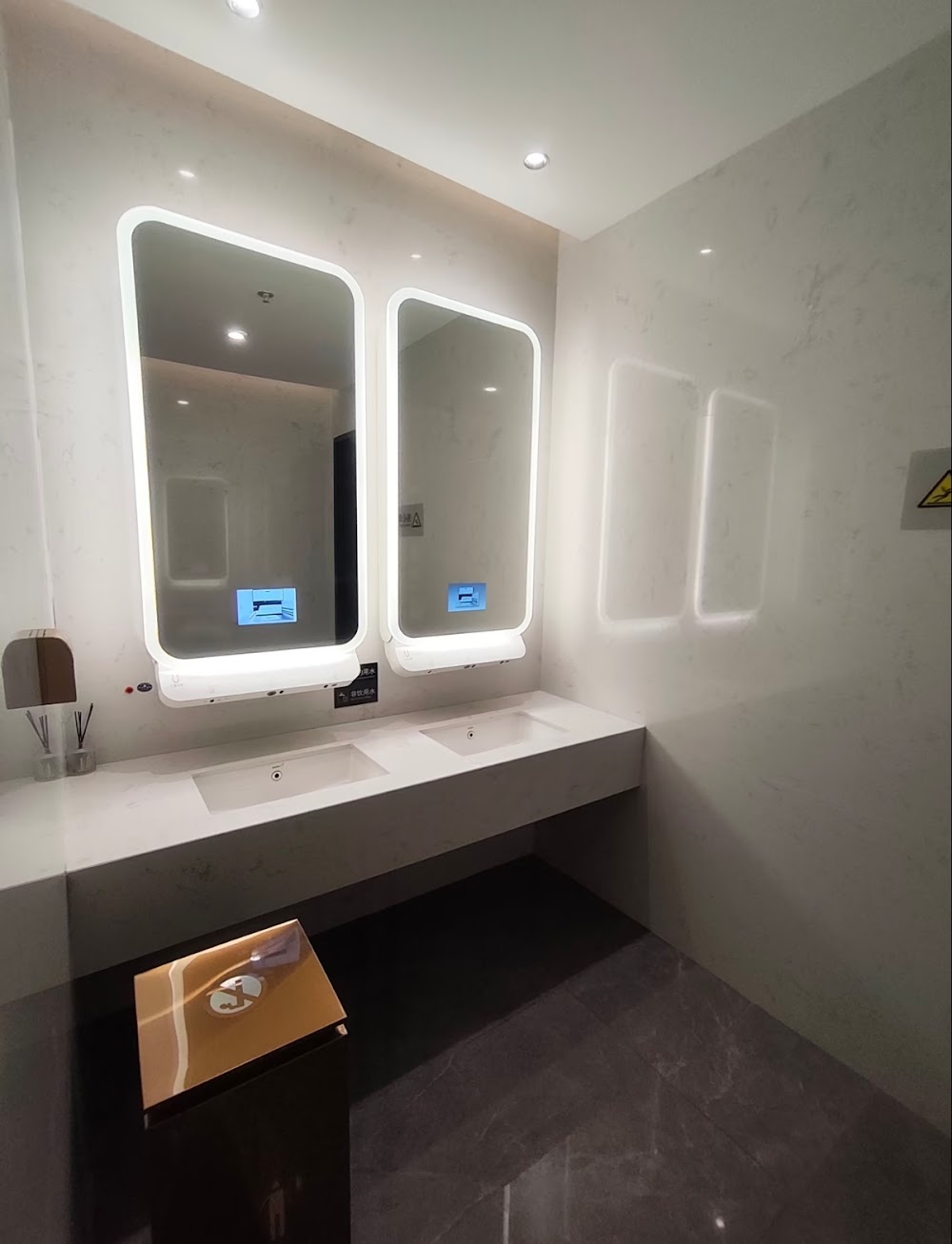
Many major railway stations provide exclusive waiting lounges for Business Class passengers. Facilities commonly include:
- Comfortable seating
- Complimentary tea and coffee
- Bottled water
- Light snacks
- Charging outlets
- Wi-Fi
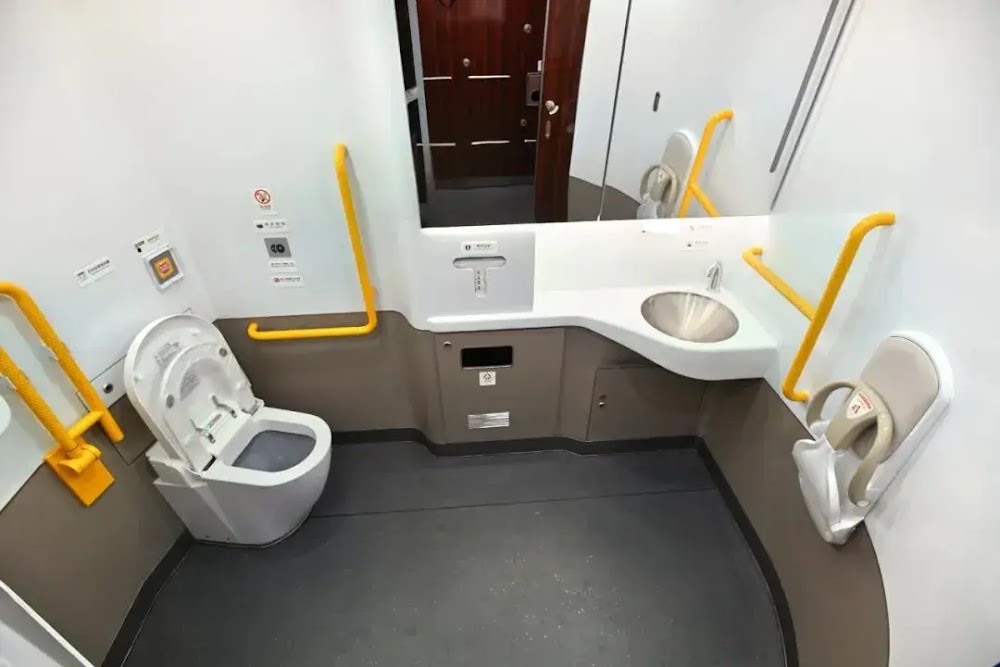
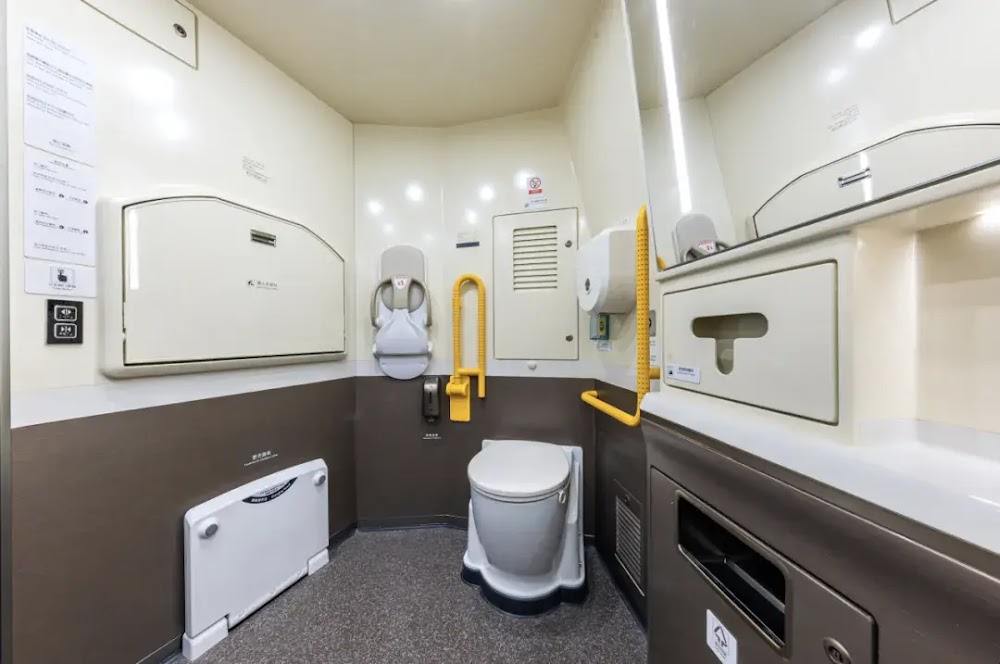
- Clean restrooms
- Flight-style departure announcements
Facilities vary between stations, so travelers should not expect identical lounge services everywhere. For many international visitors, simply having a calm place to wait before boarding is one of the most appreciated benefits.
Inside the Cabin: What Business Class Is Really Like
Once you board, you’ll immediately notice the quieter atmosphere. Business Class cabins are usually located at one end of the train and accommodate far fewer passengers than First or Second Class.
Unlike the busy cabins found elsewhere on the train, Business Class feels calm, spacious, and designed for relaxation or work.
The Seat
The highlight is, without question, the seat itself.
Depending on the train model, you’ll find an oversized leather seat with electric controls that allow you to adjust multiple positions, from upright to an almost fully flat or fully flat bed.
Compared with airline Business Class, the seat offers excellent comfort for daytime travel and is particularly appreciated on journeys lasting four hours or longer.
Typical seat features include:
- Wide reclining seat with adjustable leg rest
- Electric seat controls
- Extendable footrest
- Individual reading light
- Large folding table
- Personal storage compartments
- Universal power outlet and USB charging ports (availability varies by train model)
- Coat hook and cup holder
Many passengers describe it as sitting in a luxury recliner rather than a traditional train seat.
Privacy and Cabin Atmosphere
Business Class is designed for travelers who value peace and personal space.
Depending on the train model, seats are separated by high privacy partitions, creating a semi-private environment without completely enclosing each passenger.
Because the cabin has relatively few seats, it generally remains much quieter than the rest of the train. This makes it an excellent choice if you want to:
- Sleep during a long journey
- Work on a laptop
- Read without distractions
- Prepare for an important business meeting
- Simply enjoy a more relaxing travel experience

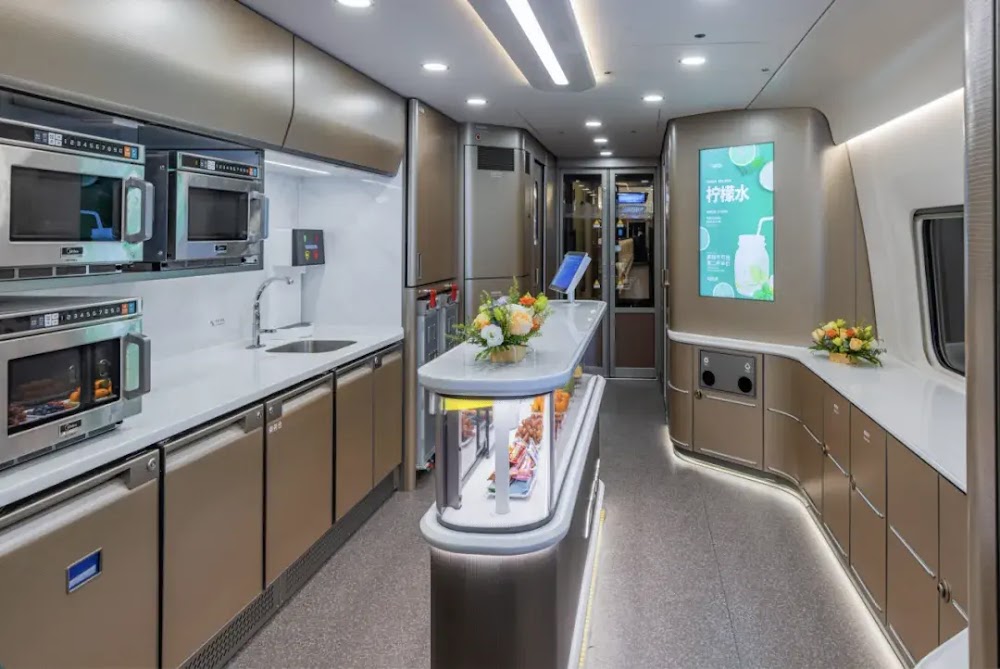
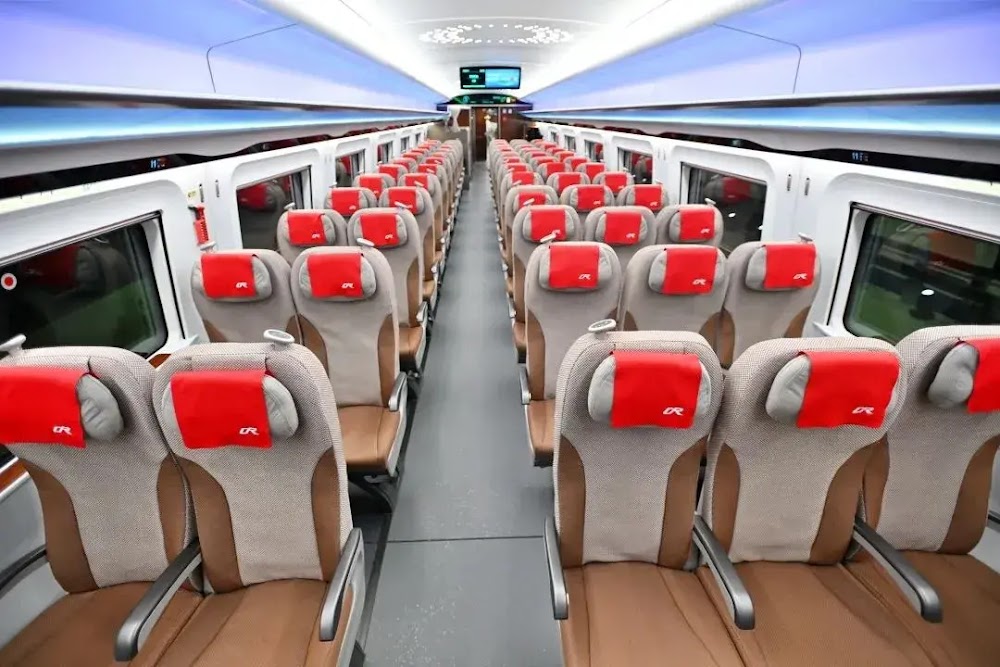


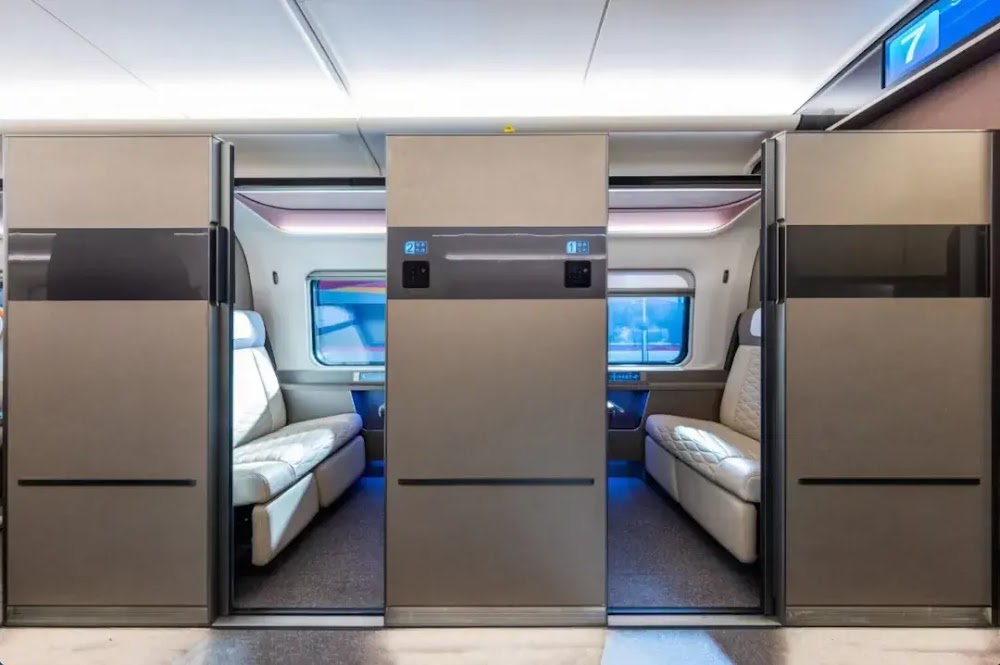
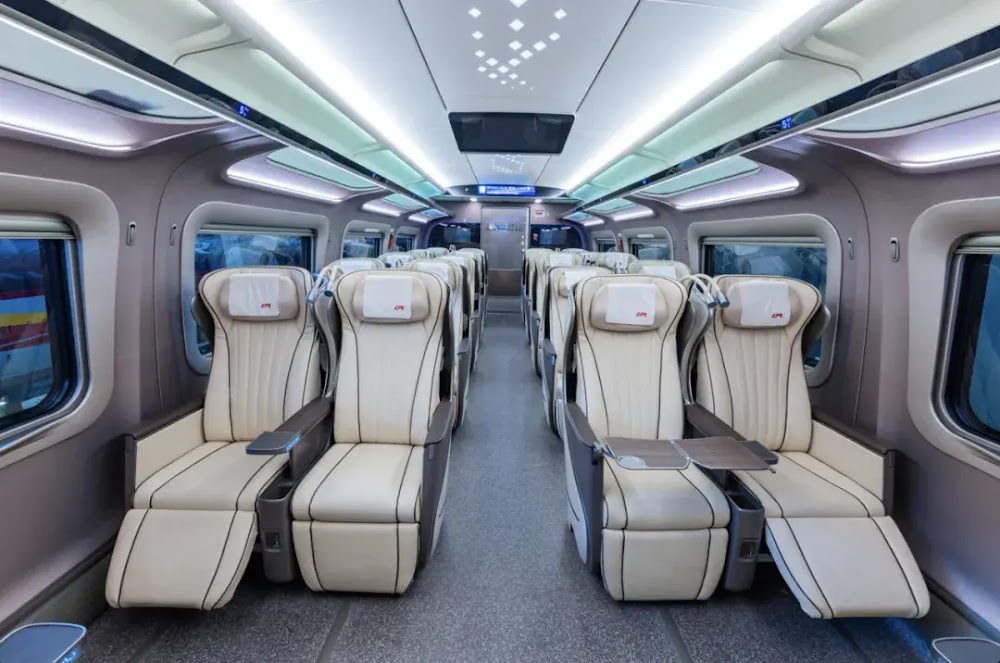

Food and Drinks
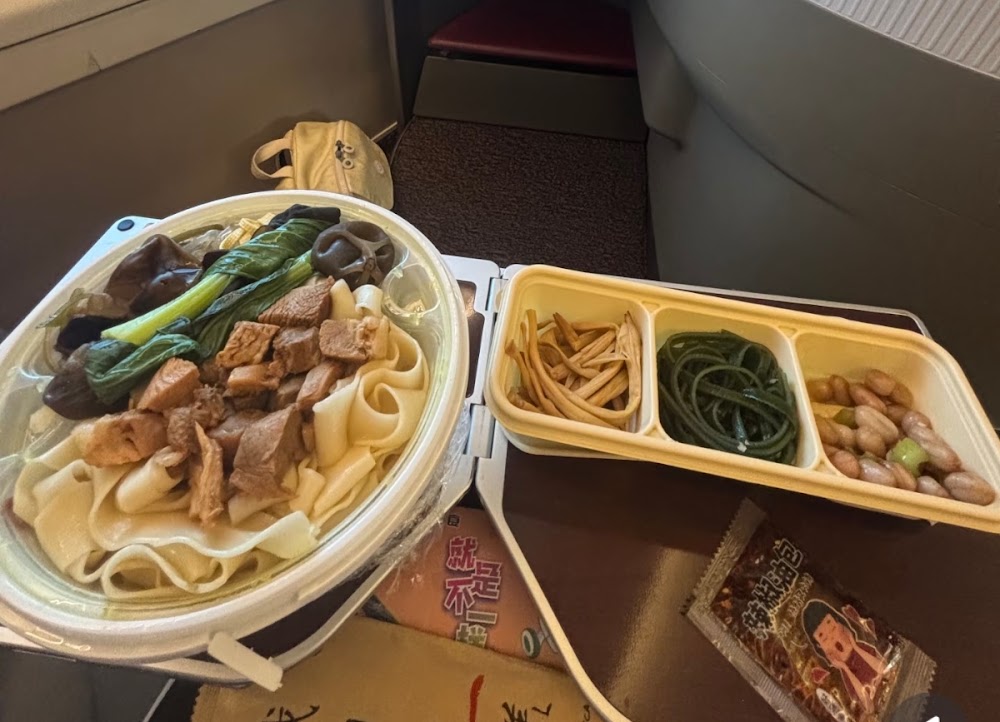
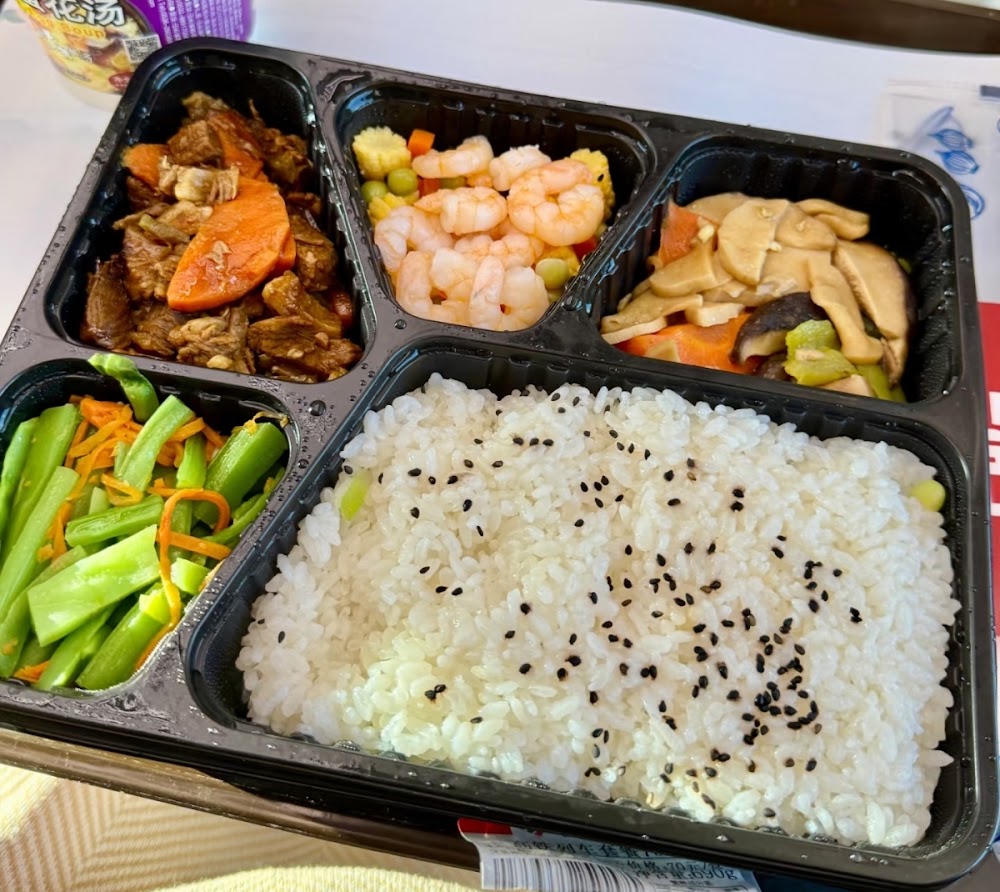
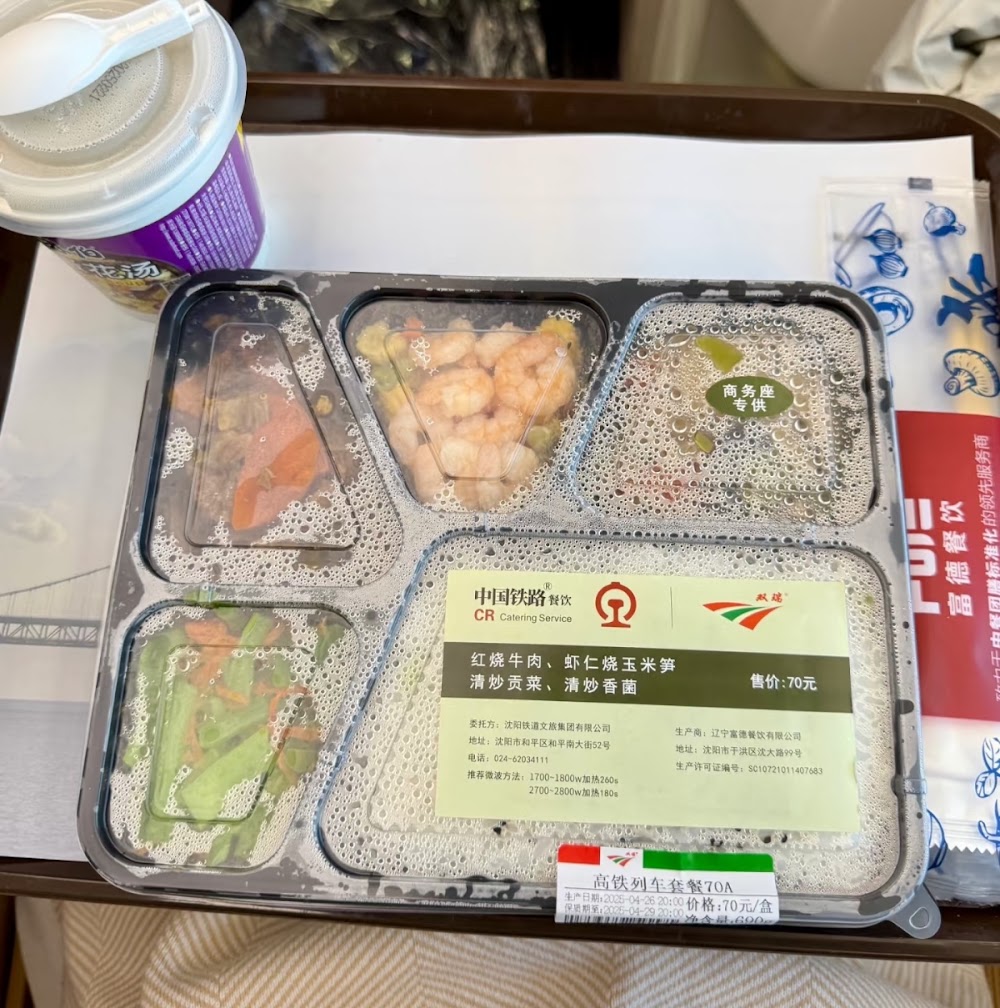
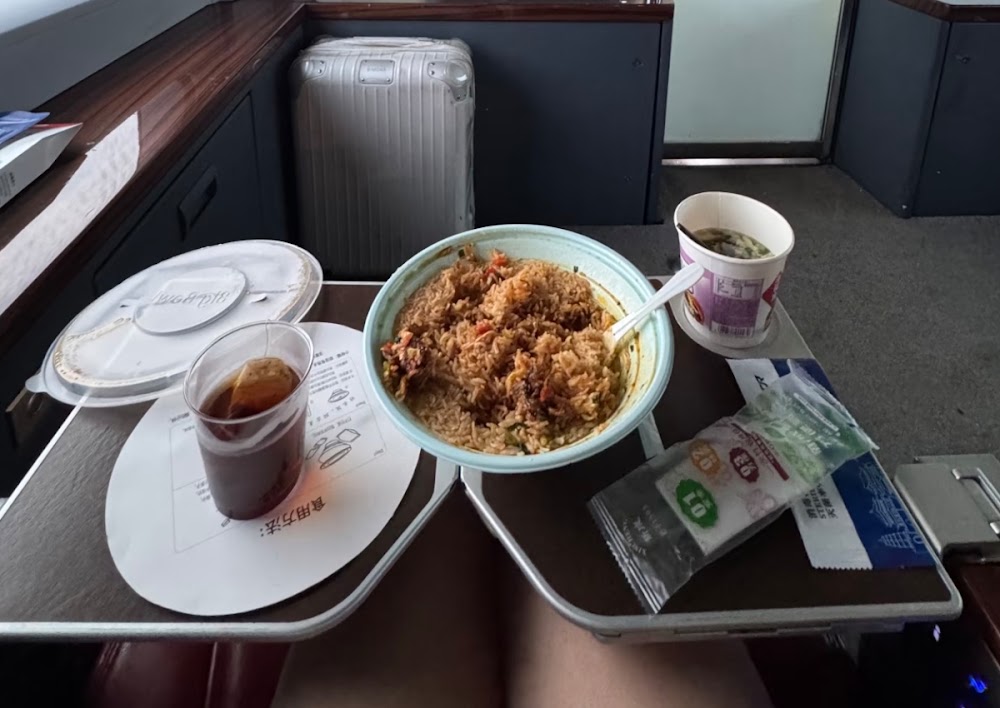
One of the most appreciated Business Class benefits is the complimentary meal offered on many longer routes.
The exact menu varies by railway operator, season, departure time, and route. A typical meal may include:
- Steamed rice or noodles
- Chicken, beef, pork, seafood, or another main dish
- Seasonal vegetables
- Soup
- Fresh fruit or dessert
Some services also provide:
- Bottled water
- Tea
- Soft drinks
- Snack boxes
Coffee is available on certain routes but should not be expected on every train. For shorter journeys, passengers may receive only light refreshments or a snack box instead of a full meal.


Service On Board
Business Class passengers receive more attentive service than in other seating classes. Train attendants regularly check the cabin and can assist with:
- Meals and beverages
- Cabin information
- General passenger assistance
The service is professional and efficient, although it should not be compared to luxury international airline First Class. Instead, think of it as a premium railway experience focused on comfort and convenience.
Things You Should Know Before Booking
Before paying the premium fare, keep these practical tips in mind.
Business Class Cabins Differ Between Trains
Not every high-speed train offers the same Business Class layout. Newer Fuxing (CR400) trains generally provide the most modern seating, while older train models may have a different configuration.
Meals Are Not Guaranteed on Every Journey
Long-distance services often include complimentary meals, but shorter routes may only offer snacks or bottled water.
Lounges Vary by Station
Major stations usually provide the best Business Class lounges. Smaller stations may have limited facilities or no dedicated lounge at all.
Business Class Sells Out Quickly
During peak travel periods such as Chinese New Year, National Day Golden Week, and summer holidays, Business Class seats are often the first premium tickets to sell out. Booking several days — or even weeks — in advance is highly recommended.
Luggage Rules
Business Class passengers generally follow the same luggage policy as other travelers. Although there is dedicated luggage space inside the carriage, very large suitcases may still need to be stored in shared luggage areas.
Is Business Class Worth the Extra Cost?
The answer depends on three factors: how long your journey is, how much you value comfort, and whether you want to arrive rested rather than simply arrive.
For shorter trips, Business Class is undoubtedly a luxury. But on long-distance routes, it can become a practical investment.
Example: Guangzhou → Shanghai
| Travel Option | Approximate Fare* | Travel Time | Comfort |
|---|---|---|---|
| Second Class HSR | ¥550 | 6.5–7 hours | Standard |
| First Class HSR | ¥900 | 6.5–7 hours | Comfortable |
| Business Class HSR | ¥1,700–1,900 | 6.5–7 hours | Premium |
| Economy Flight | ¥800–1,300 | Around 2 hours flight time** | Standard |
*Prices vary depending on season, train, and demand.
**Remember that flying usually includes travel to the airport, early check-in, security screening, baggage claim, and transportation from the destination airport. In many city-center to city-center journeys, the total travel time difference is much smaller than the flight duration alone suggests.
Business Class Train vs. Domestic Flight
| Feature | Business Class Train | Domestic Flight |
|---|---|---|
| City Center Access | ✅ | ❌ |
| Security | Fast | Long |
| Check-in | Minimal | Required |
| Legroom | Excellent | Average |
| Delays | Rare | Possible |
Best Routes for Business Class
- Beijing → Shanghai
- Guangzhou → Beijing
- Guangzhou → Shanghai
- Shanghai → Chengdu
- Shenzhen → Beijing
When Business Class Is Worth It
Business Class is an excellent choice if you are:
- Traveling for more than four hours
- Flying into China after a long international flight and need to rest
- Traveling for business and want to arrive refreshed
- Carrying expensive equipment such as cameras or laptops
- Celebrating a honeymoon or special occasion
- Looking for the most comfortable way to travel across China
When You Can Skip It
You probably don’t need Business Class if:
- Your journey is under two hours
- You are traveling on a tight budget
- You simply need transportation from one city to another
- First Class tickets are available at a much lower price
For short routes such as Guangzhou–Shenzhen, Shanghai–Hangzhou, or Beijing–Tianjin, First Class usually offers the best balance between comfort and price.
How to Book China High-Speed Rail Business Class
Booking train tickets has become much easier for international visitors in recent years.
Option 1: 12306 (Official Railway Platform)
The official China Railway booking platform offers the widest ticket availability, official prices, and real-time seat inventory. However, some features may still be easier to use if you’re familiar with Chinese.
Option 2: International Booking Platforms
Many international travelers prefer platforms such as Trip.com and Klook. These platforms provide an English-language interface, international payment methods, passport-friendly booking, and customer support in multiple languages. A small service fee may apply.
Paying for your ticket is easiest with a card set up for China — see our guide on linking a Wise card to Alipay, or check whether PayPal now works in China via WeChat Pay.

China’s Luxury Bullet Train
China’s High-Speed Rail Business Class offers independent cabins and lie-flat seats that rival first-class flights. Secure your luxury rail experience easily.
Do Foreigners Need a Paper Ticket?
In most cases, no. If your ticket is booked using your passport, many stations now allow you to enter directly by scanning your passport at the automated gates.
Occasionally, staff assistance may still be required at certain stations or if there is an identification issue, so it’s wise to arrive a little earlier than domestic travelers.
Practical Tips for a Smooth Journey
Before heading to the station:
- Arrive at least 30–45 minutes before departure
- Keep your passport easily accessible
- Check your departure gate on the station display boards
- Have your booking confirmation available on your phone
- Charge your electronic devices before boarding
If you’re traveling during Chinese public holidays, consider arriving even earlier due to heavier passenger traffic.

Guangzhou’s Food Scene
Taste the authentic flavors of Canton! Join a top-rated local food tour to experience traditional Dim Sum, hidden culinary gems, and bustling tea houses.
Plan Your China Trip
To make your journey even smoother, check out these helpful guides on GuangzhouVisitor.com:

Need a Car in Guangzhou?
Skip the taxi hassle! Renting a car gives you the ultimate freedom to explore Guangzhou’s massive wholesale markets and top attractions at your own pace.
Frequently Asked Questions
Is China High-Speed Rail Business Class worth the extra cost?
If you’re traveling for more than four hours, Business Class can be an excellent investment. The spacious seating, quieter cabin, priority services, and added comfort make long journeys significantly more enjoyable. For shorter trips, First Class is usually the better value.
Do Business Class tickets include lounge access?
At many major railway stations, yes. Business Class passengers can often use dedicated waiting lounges with comfortable seating, complimentary refreshments, charging facilities, and quieter surroundings. Lounge availability varies by station.
Are meals included?
On many long-distance routes, Business Class includes a complimentary meal or refreshments. The menu depends on the route, departure time, and railway operator, so offerings may vary.
Can foreign travelers book Business Class tickets?
Absolutely. International visitors can book Business Class tickets using their passport through platforms such as Trip.com, Klook, or the official China Railway booking system.
Is there Wi-Fi on China’s high-speed trains?
Some trains offer onboard Wi-Fi, but availability and performance vary. Travelers should not rely on it for work or streaming and may want to download important files before departure.
How early should I arrive at the station?
For most journeys, arriving 30–45 minutes before departure is sufficient. During Chinese holidays and peak travel periods, allow additional time due to increased passenger traffic.
Can I bring large luggage?
Yes. High-speed trains provide luggage storage areas, although oversized luggage may need to be placed in shared storage spaces at the ends of the carriage.
Which routes benefit most from Business Class?
Business Class offers the greatest value on longer journeys, including Guangzhou → Beijing, Guangzhou → Shanghai, Shanghai → Xi’an, Beijing → Chengdu, and Shenzhen → Beijing.
Before You Go — More Ways to Explore

Guangzhou Culture Tour
Unlock the history behind the city. Book guided day tours, historic site visits, and stunning traditional performances highly recommended by fellow travelers.
Final Verdict
Based on official train specs, verified traveler reports, and the features covered in this guide.
| Category | Rating |
|---|---|
| Seat Comfort | ⭐⭐⭐⭐⭐ |
| Privacy | ⭐⭐⭐⭐☆ |
| Value for Money | ⭐⭐⭐⭐☆ |
| Food | ⭐⭐⭐⭐☆ |
| Overall Experience | ⭐⭐⭐⭐⭐ |
China’s High-Speed Rail Business Class is more than just a larger seat — it’s a premium travel experience designed for comfort, efficiency, and convenience.
While it may not be necessary for every journey, it truly shines on long-distance routes where the ability to relax, work, or sleep can make a significant difference.
Whether you’re visiting China for business or leisure, the country’s world-class high-speed rail network remains one of the fastest, most convenient, and most enjoyable ways to travel between major cities.