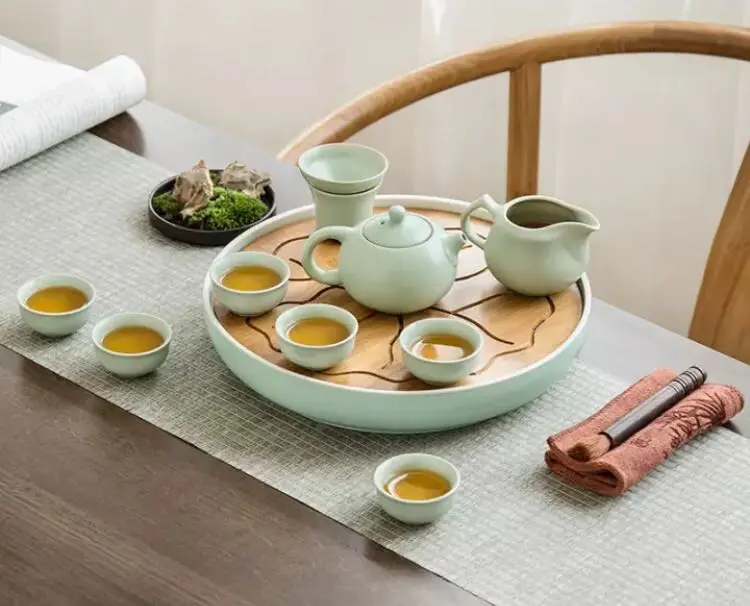
In Guangzhou, the day begins not with coffee, but with the gentle clink of porcelain cups and the rising steam of freshly brewed tea. For centuries, the city’s teahouses have served as more than just places to drink — they are the living rooms of Cantonese culture, where families gather, business deals are struck, and the rhythm of daily life unfolds over endless refills.
Unlike the quick-service coffee shops that have proliferated worldwide, Guangzhou’s traditional teahouses offer something increasingly rare: a deliberate pause. Here, Yum Cha (yǐn chá, 饮茶) — literally “drinking tea” — is both a ritual and a social institution. The local greeting isn’t “how are you?” but “have you had tea yet?” — a testament to how deeply this practice is woven into the city’s fabric.
But there’s an important distinction many visitors miss. A traditional teahouse is not the same as a dim sum restaurant. While both serve tea, the former prioritises the tea experience itself — the leaves, the brewing, the ceremony — with snacks as accompaniment. The latter often treats tea as a beverage to accompany the food. This guide focuses on authentic tea houses where the leaves are the stars.
🍵 Tea Culture Experience with Locals | 🍜 Food Tours | 📱 eSIM for China | 🚗 Airport Transfer

Understanding Guangzhou’s Tea Culture
A Brief History
Guangzhou’s relationship with tea spans over a thousand years. During the Táng Dynasty (Táng Cháo, 唐朝, 618–907), the city was already one of China’s primary tea-producing regions. By the Míng (明朝) and Qīng (清朝) dynasties, Guangzhou had transformed into the nation’s largest tea trading port, with tea exports surging from 30,000 dàn (担) in 1734 to over 500,000 dàn by 1833.
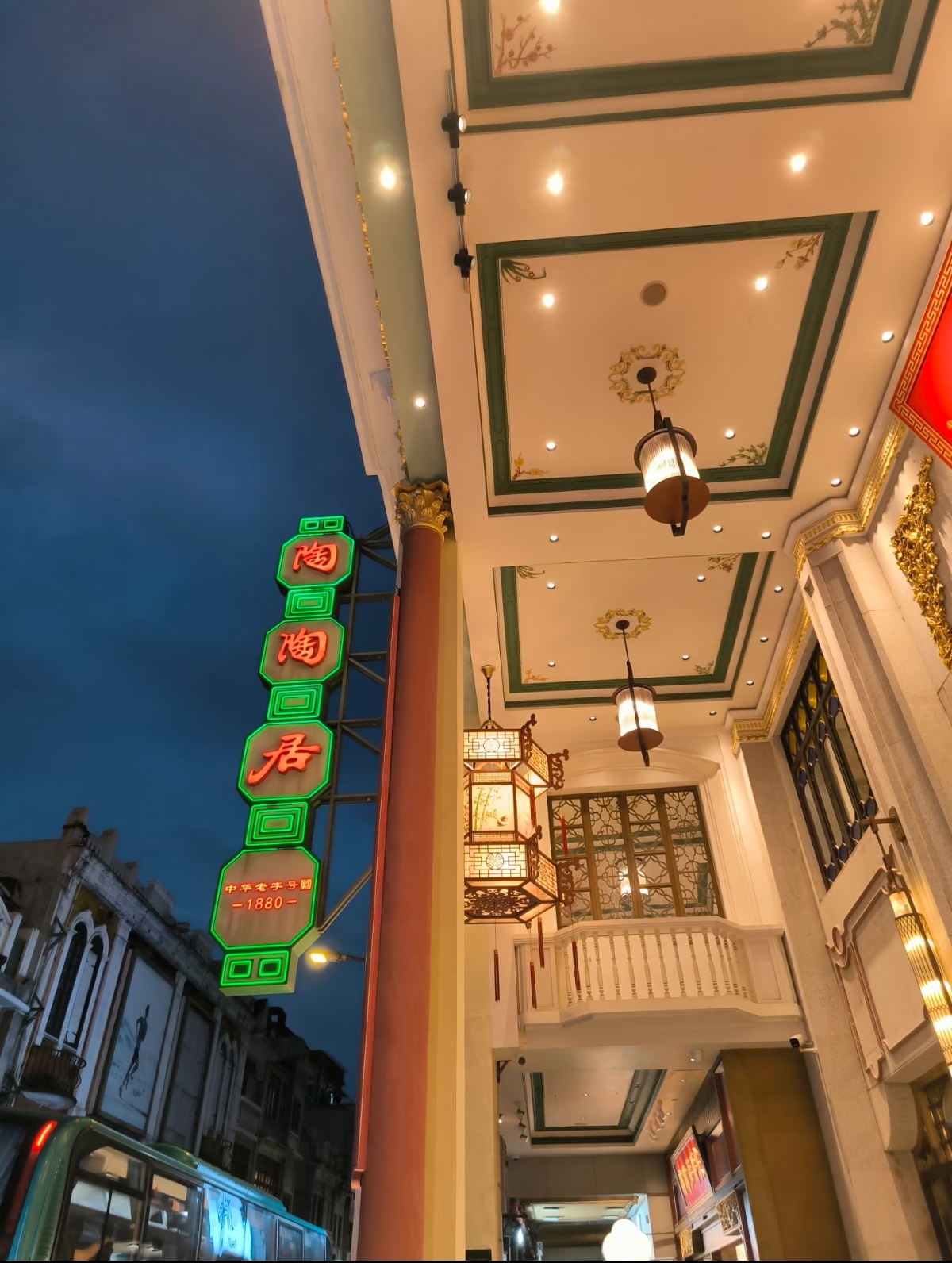
The first proper teahouse, Sanyuan Building, appeared during the reign of Emperor Guangxu (Guāngxù, 光绪, 1875–1909) in the Shisanhang (Shísānháng, 十三行) business district — a three-story structure so impressive locals called it “the High Teahouse”. This sparked a boom, with iconic establishments like Taotao Ju (Táotáo Jū, 陶陶居) in 1880 and Lianxiang Lou (Liánxiāng Lóu, 莲香楼) quickly following.
By the early 20th century, “yum cha” had evolved into a daily ritual available in three sittings: morning (4 AM to 11 AM), afternoon, and evening. The night tea tradition, dating back to the 1920s, originally served night-shift workers, and peaked in popularity during the 1980s and 90s.
The Philosophy of Guangzhou Tea
Cantonese tea culture is defined by what local tea masters call “harmony in diversity” (hé ér bù tóng, 和而不同). Unlike other regional tea traditions with rigid rules, Guangzhou’s approach is naturally inclusive — a reflection of the city’s history as an open trading port where tea cultures from across China converged and blended.
The city’s tea culture absorbs, adapts, and innovates, welcoming everything from traditional Gōngfu (工夫) tea ceremonies to modern tea cocktails.
For visitors, this means accessibility. You don’t need to master complex rituals to enjoy tea in Guangzhou — the culture meets you where you are.
The Tea-House Experience: What to Expect
The Ritual of Pouring
When your tea arrives, you’ll notice something distinctive: the server may tap two fingers on the table when you pour for them. This gesture, known as the “finger kowtow” (kòu zhǐ lǐ, 叩指礼), traces back to a legend about Emperor Qianlong (Qiánlóng, 乾隆) travelling incognito. According to the story, when the emperor poured tea for a servant, the servant couldn’t kneel without revealing the emperor’s identity — so he tapped his fingers instead, mimicking a bowing figure. Today, it’s simply a graceful way to say “thank you”.
The Tea Itself
Guangzhou teahouses serve a wide variety of teas. Common options include:
| Tea (Pinyin) | Characters | Characteristics | Best For |
|---|---|---|---|
| Pǔ’ěr | 普洱茶 | Fermented, earthy, dark | Morning, digestion |
| Tiěguānyīn | 铁观音 | Light, floral, oolong | Afternoon, newcomers |
| Mòlì Huā Chá | 茉莉花茶 | Fragrant, sweet, green | Evening, casual sipping |
| Júhuā Chá | 菊花茶 | Mild, herbal, cooling | Warm weather |
| Jīn Jùn Méi | 金骏眉 | Sweet, smooth, black tea | Special occasions |

Want to go deeper on the teas themselves? See our quick guide to the 6 main teas — and which one suits you.
Etiquette Tips for First-Timers
- Rinse your cups: it’s customary to pour the first steep over your cups to warm and clean them.
- Pour for others first: never fill your own cup before others’ — it’s considered rude.
- Tap your thanks: two fingers tapped on the table when someone pours for you.
- Enjoy slowly: tea drinking isn’t rushed; expect to linger for an hour or more.
- Ask for guidance: staff at traditional teahouses are usually happy to explain tea types and brewing methods.
5 Traditional Tea Houses to Visit
1Taotao Ju (陶陶居) — The Most Historic





| Chinese Name | 陶陶居 |
| Pinyin | Táotáo Jū |
| Location | No. 20, Tenth Pu Road (Shífǔ Lù, 第十甫路), Liwan District |
| Nearest Metro | Chen Clan Academy Station (Chénjiā Cíyuàn, 陈家祠) |
| Founded | 1880 |
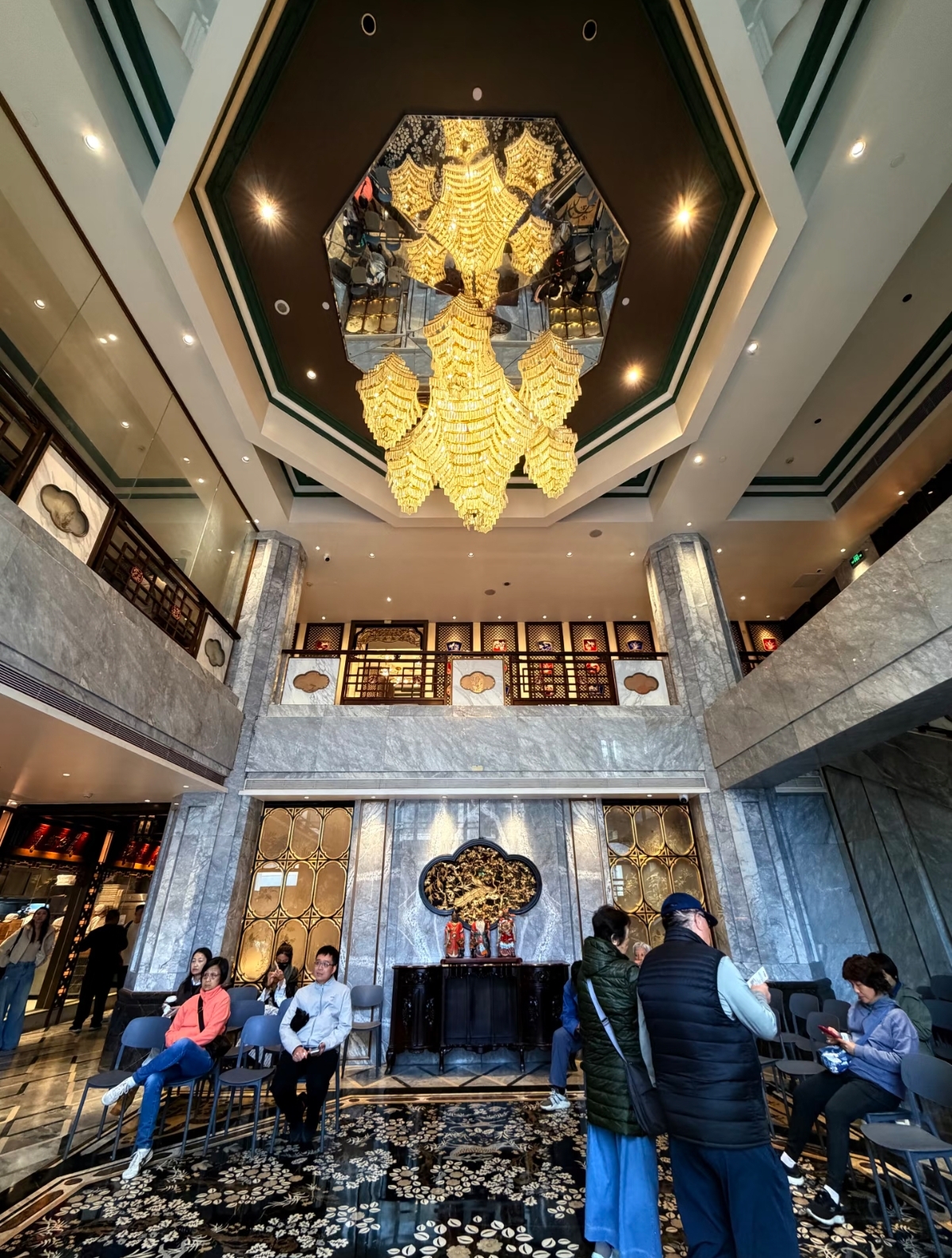
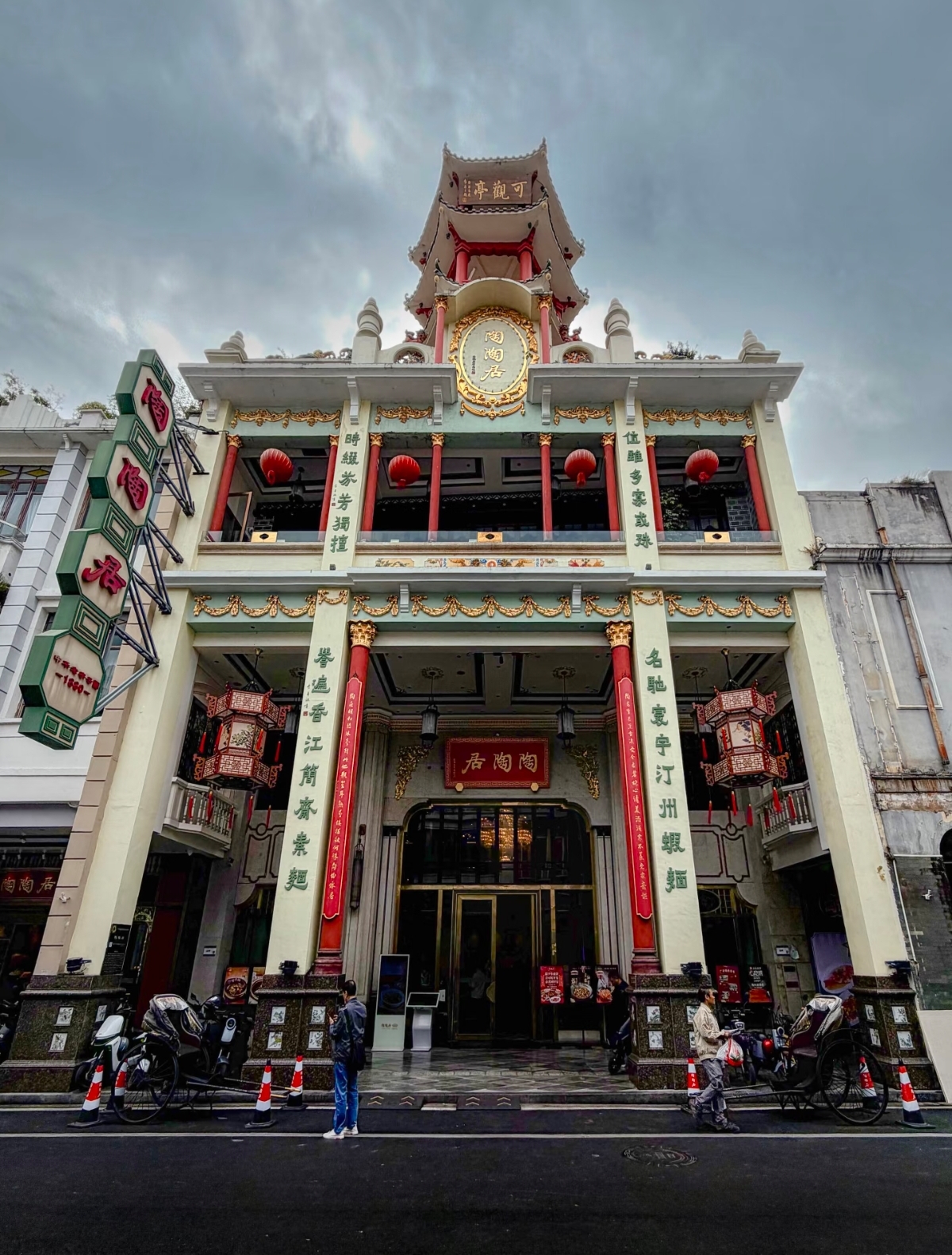
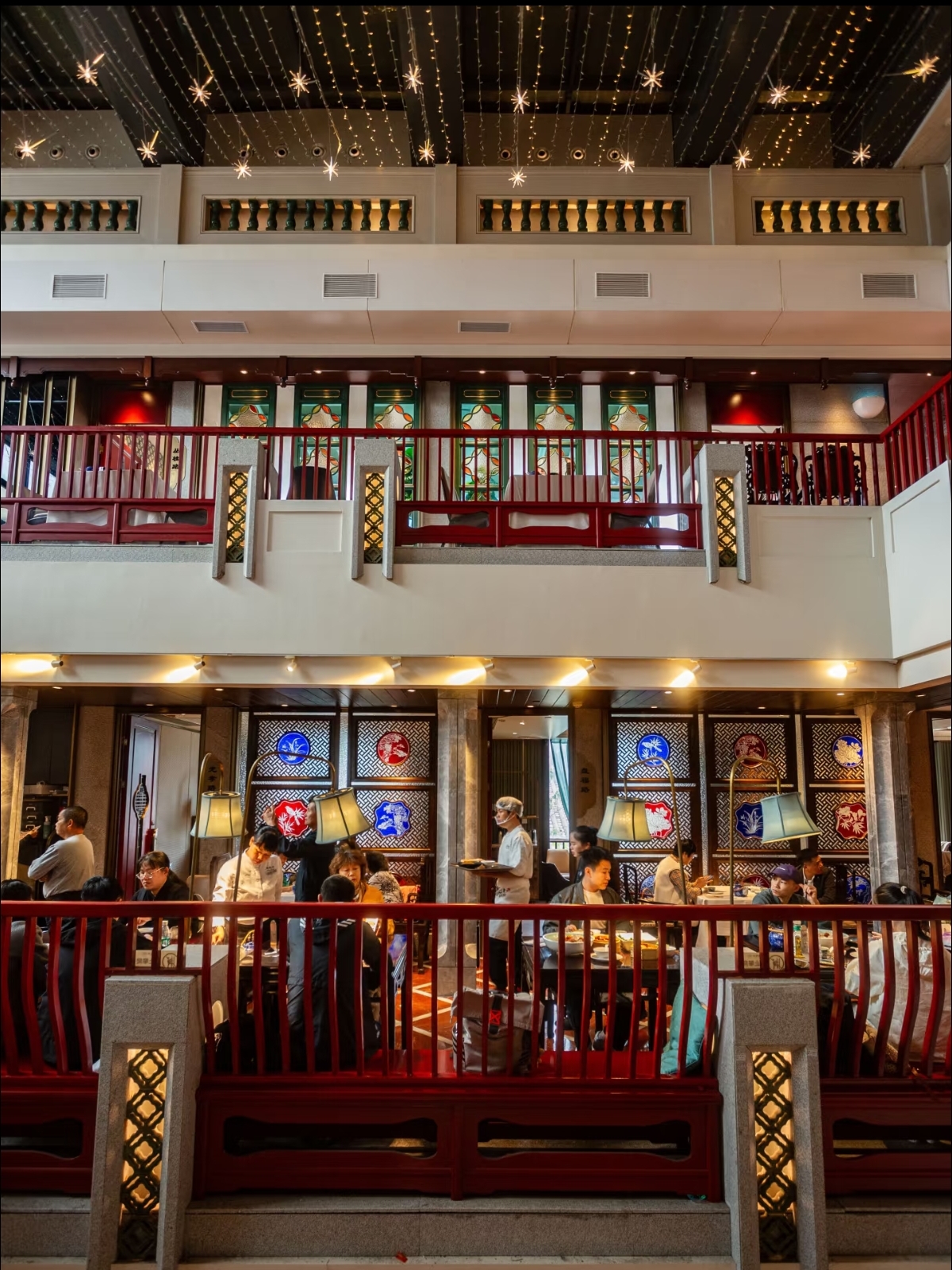
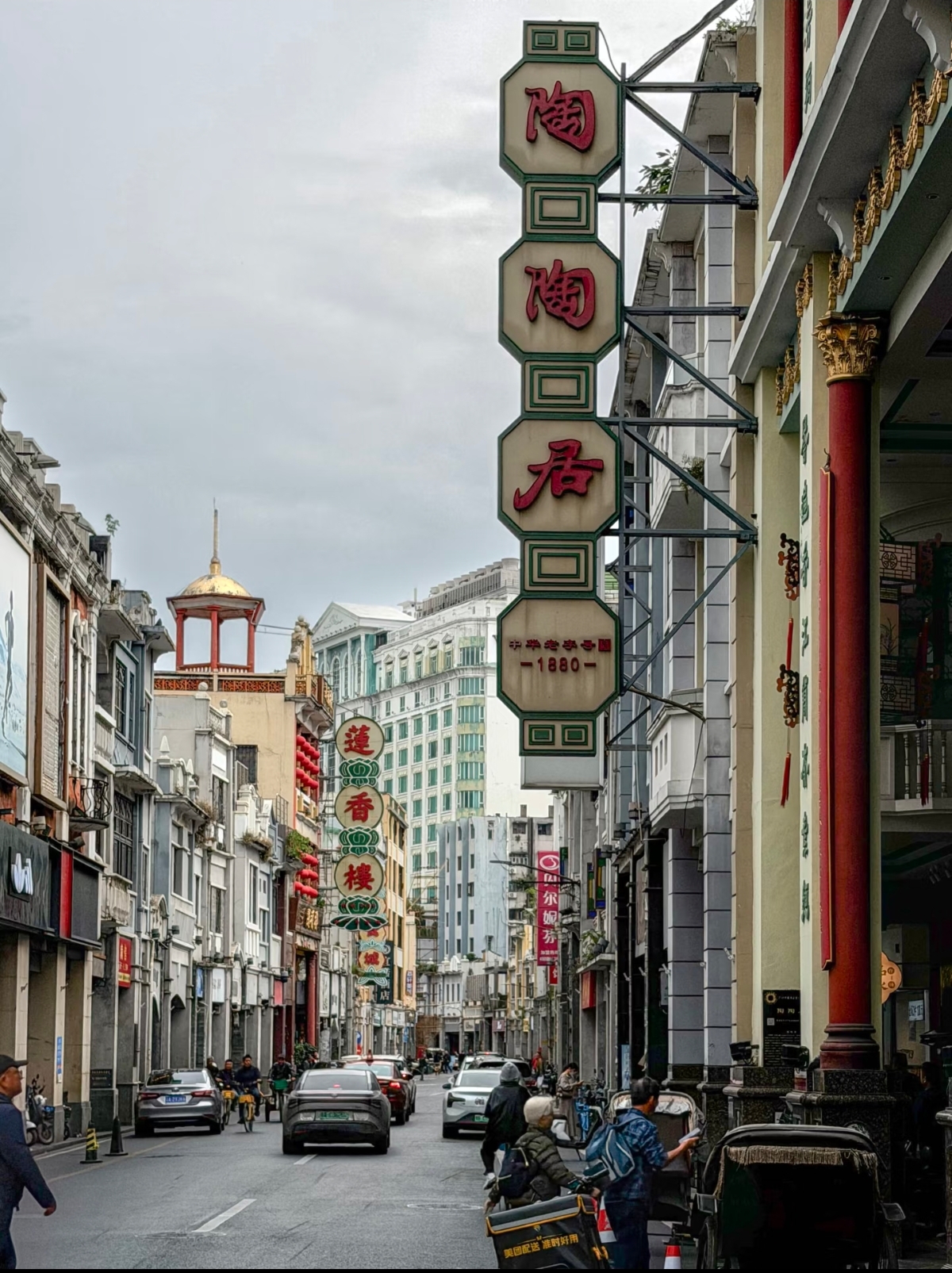
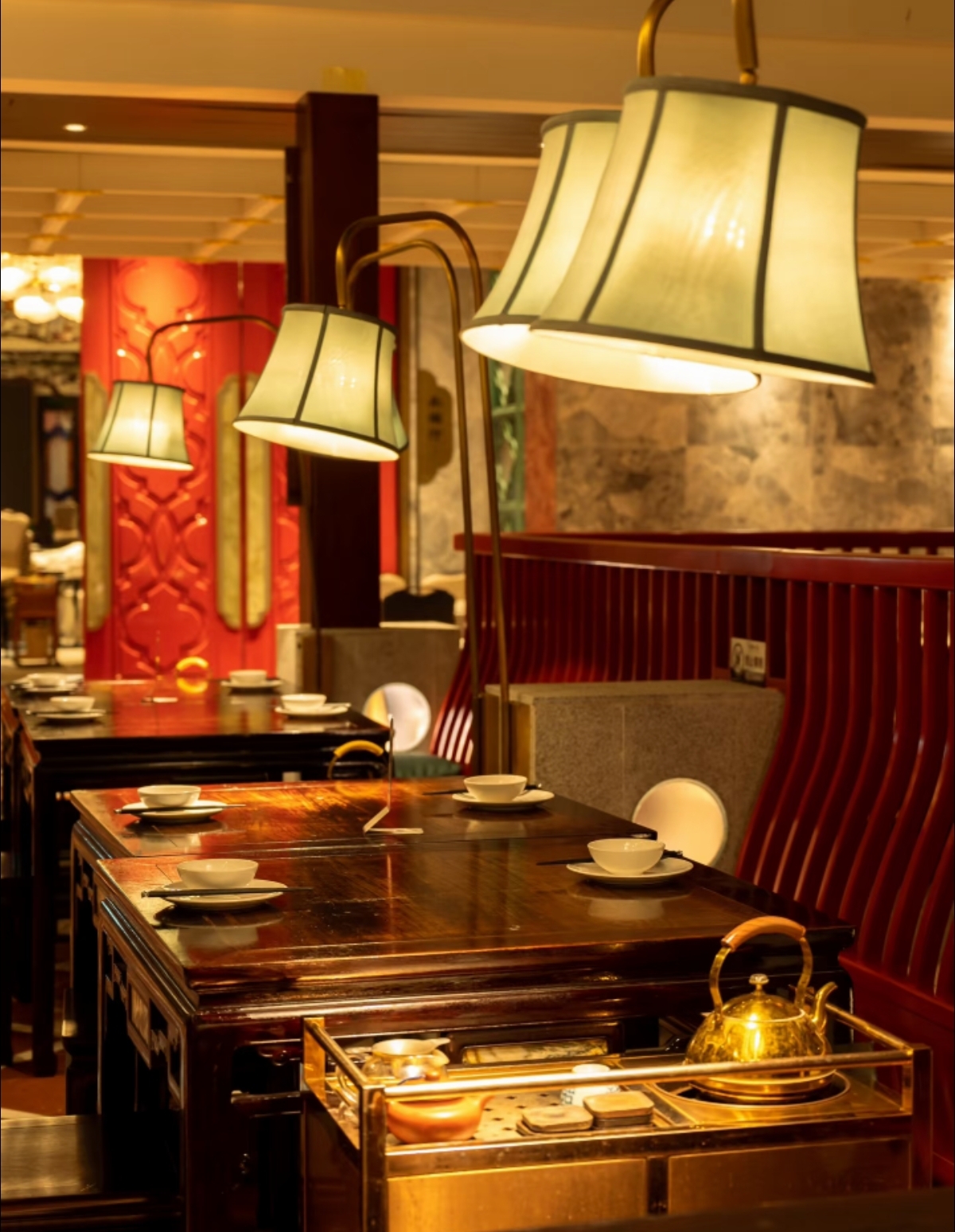
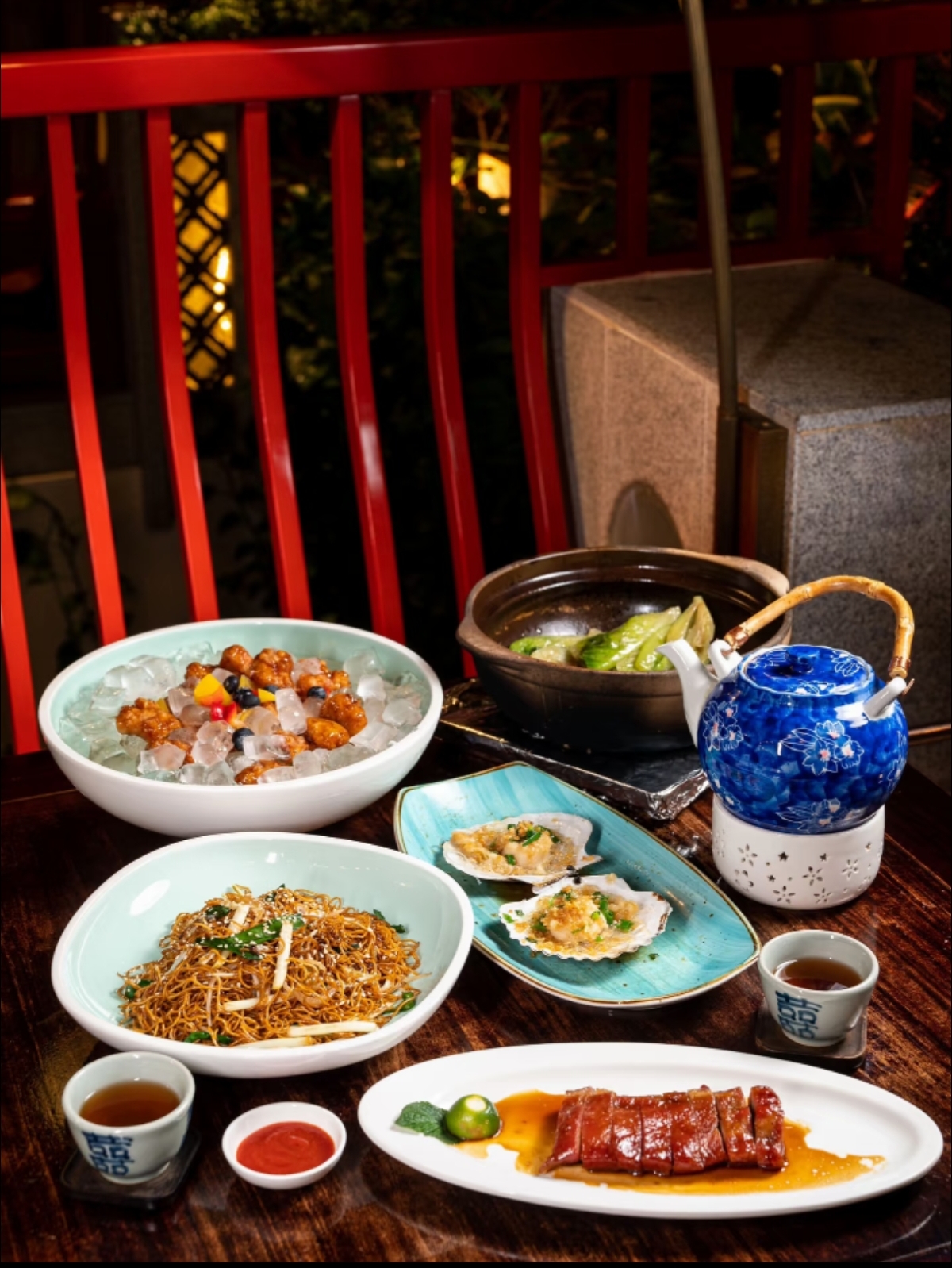
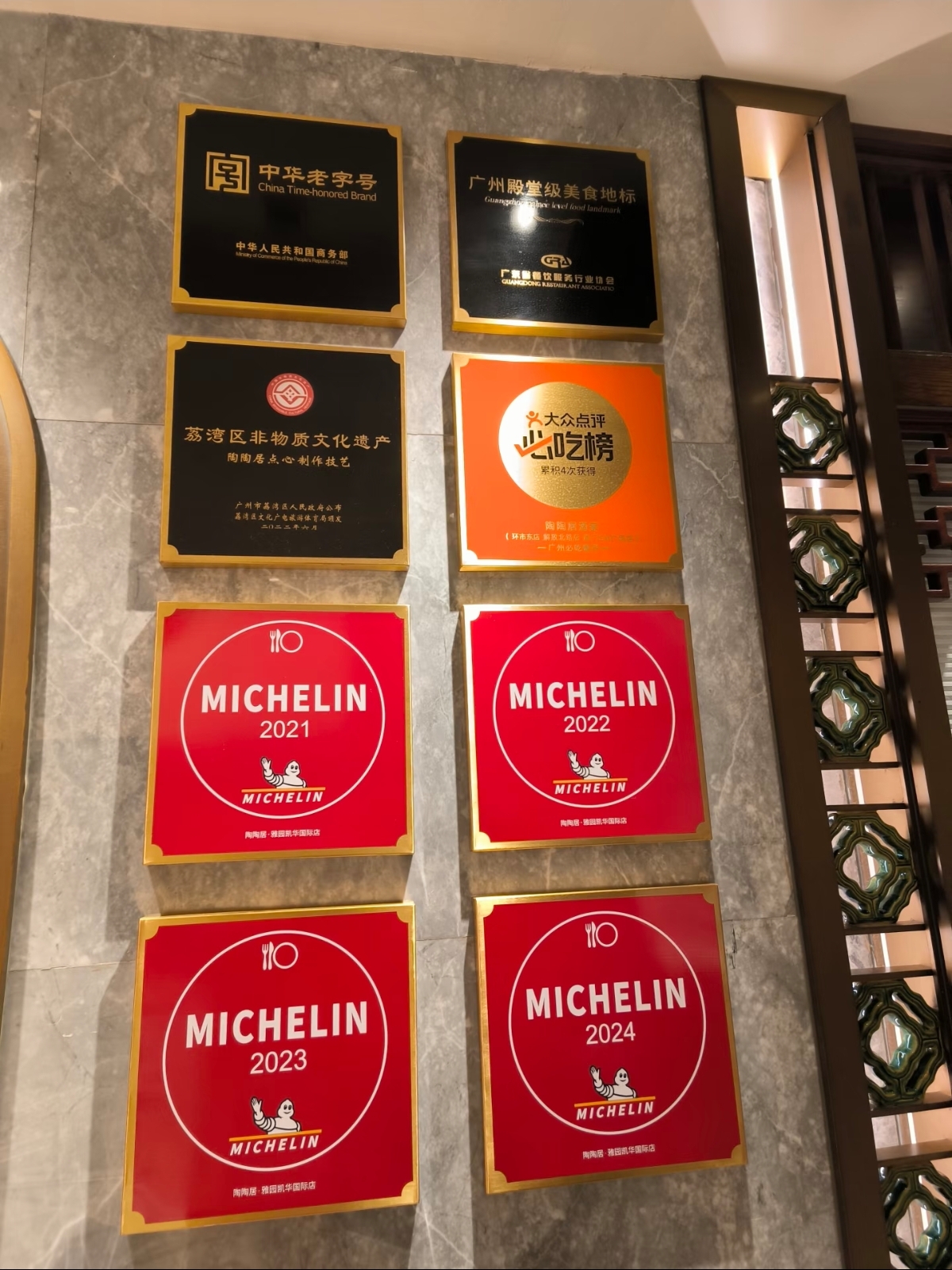
Taotao Ju isn't just Guangzhou's oldest surviving teahouse — it's a living museum. The flagship store on Tenth Pu Road is housed in a landmark arcade building with a traditional Lingnan (Lǐngnán, 岭南) architectural façade that has stood for over 140 years.
The name "Taotao" comes from the character for "joy" (陶), and the teahouse has lived up to its name through generations. In 1927, the writer Lu Xun (Lǔ Xùn, 鲁迅) famously recorded a visit here in his diary: "Guangzhou tea is fragrant and refreshing. With a cup in hand, one can chat with friends for half a day."
- Original calligraphy by Kang Youwei (Kāng Yǒuwéi, 康有为), a famous 19th-century scholar, adorns the entrance.
- The top-floor "Ke Guan Ting" (Kè Guān Tīng, 可观亭) pavilion offers a magnificent view of the Liwan district.
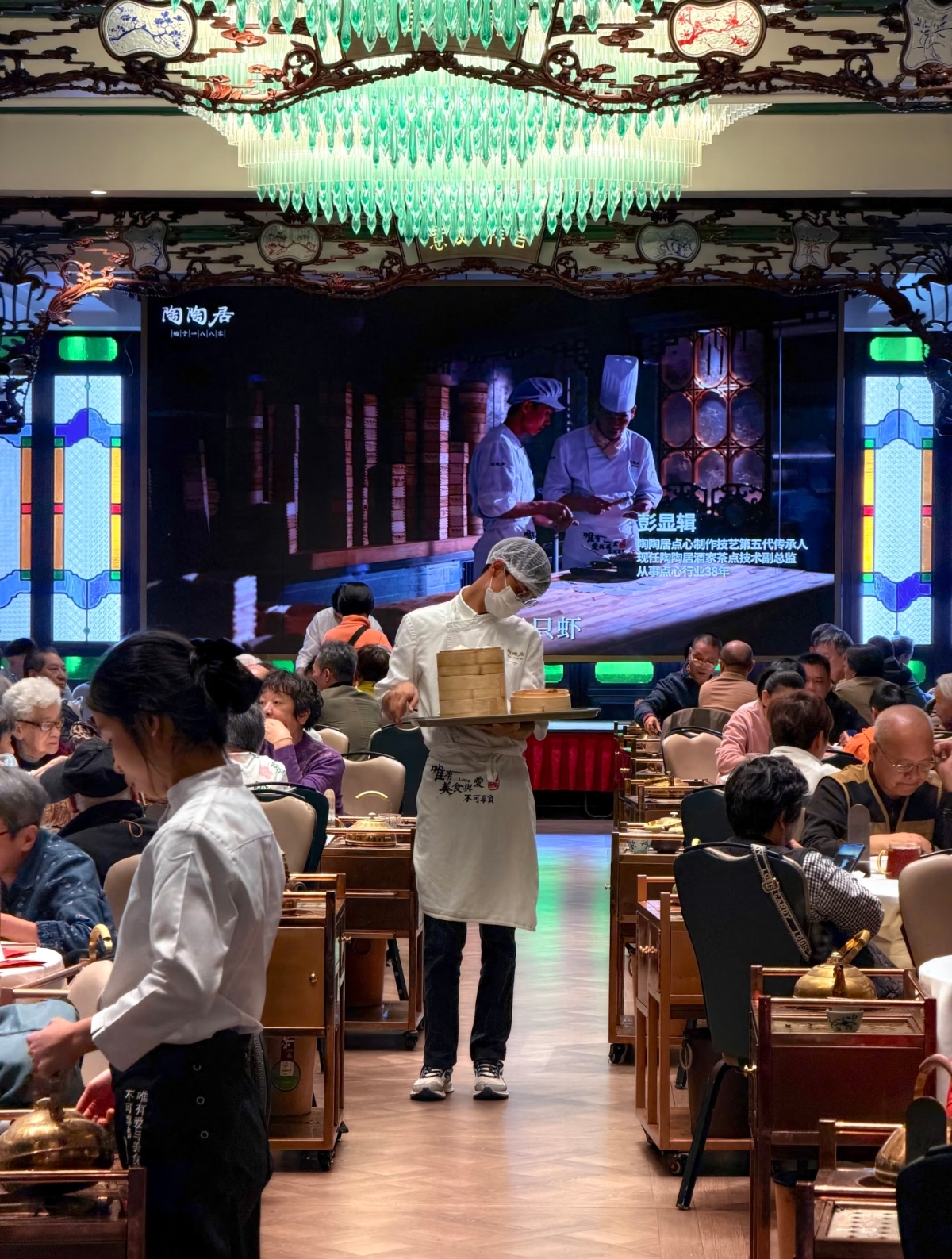
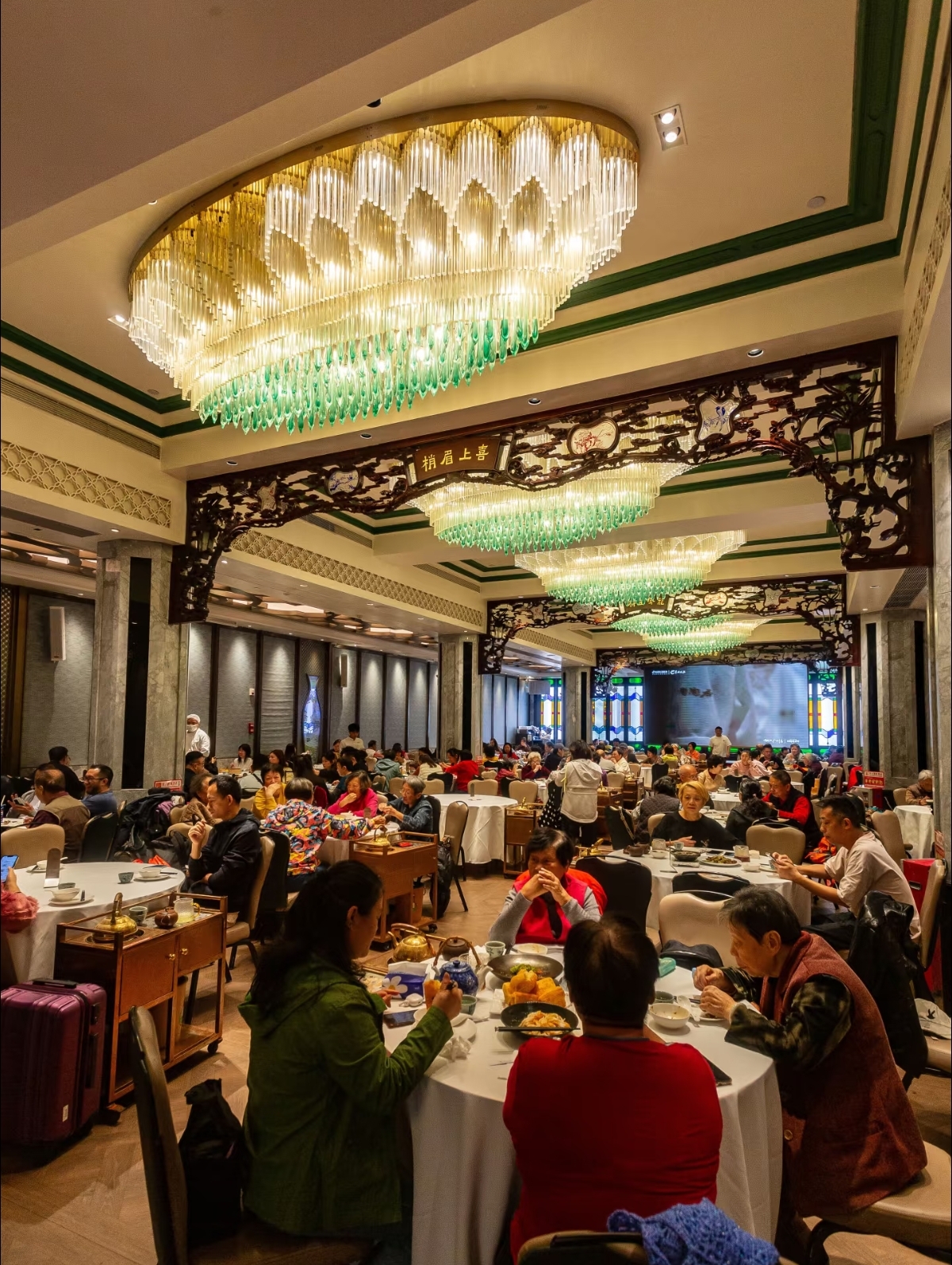
- Traditional trolley service for dim sum still operates during busy hours.
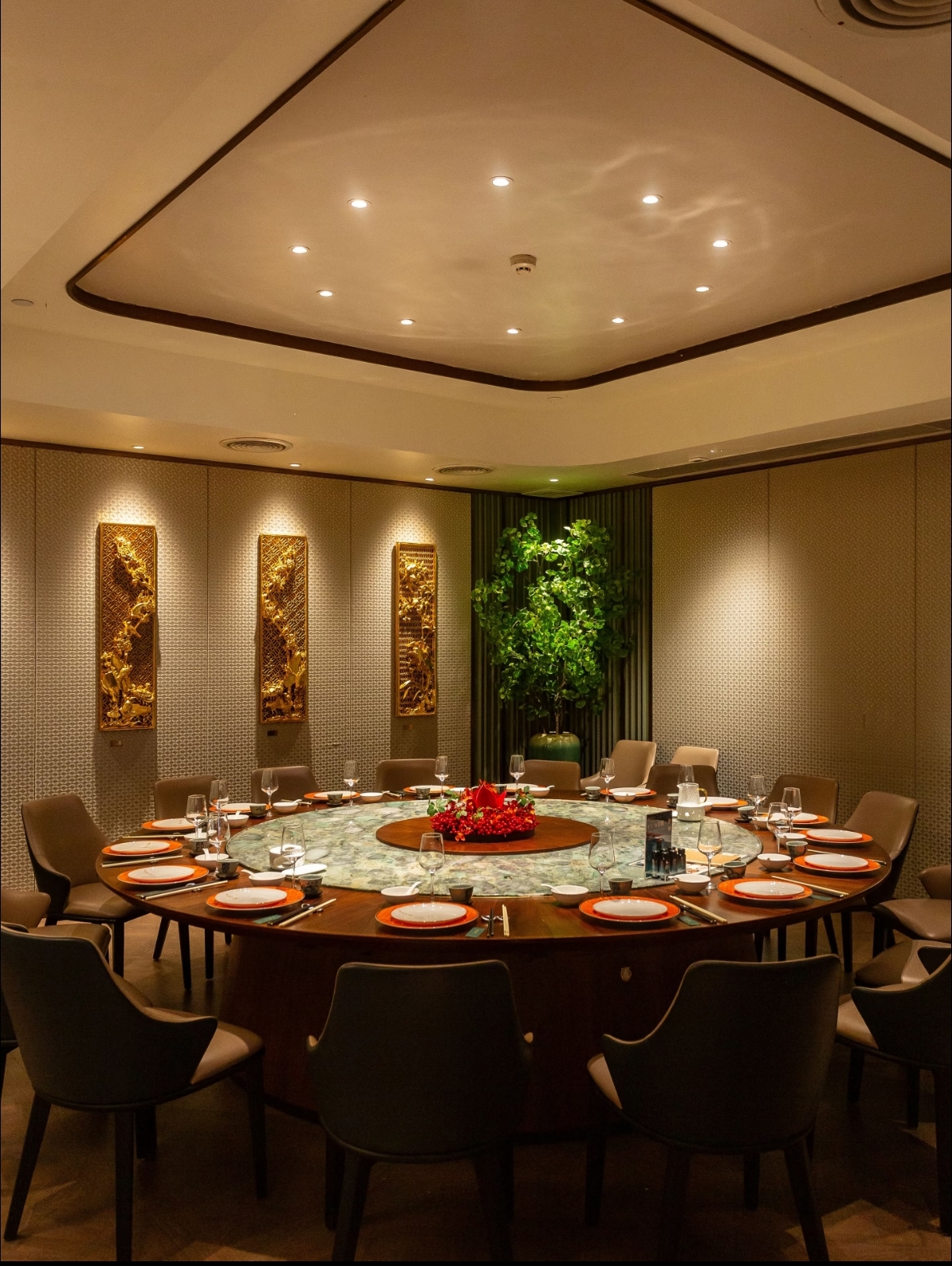
Inside, patterned floor tiles, wooden screens, and ceiling fans preserve the atmosphere of a century ago. The teahouse is bustling from opening until closing — a genuine microcosm of Guangzhou's social soul.
Tea price range: 15–35 RMB per person
Search on Amap/Apple Maps: 陶陶居 (第十甫路店)
📞 Official Contact Information
| 📍 Address | 20 Dishifu Road, Liwan District, Guangzhou, Guangdong Province, China 广东省广州市荔湾区第十甫路20号 |
| 📞 Phone | Main Line: +86 20 8050 3899 Alternate: +86 20 8138 9632 |
| 🌐 Official Website | www.taotaoju1880.com |
| office@taotaoju1880.com |
🕒 Opening Hours
The historical branch generally operates daily from 7:30 AM to 10:00 PM.
- Morning Tea (Yum Cha): 7:30 AM – 11:30 AM
- Lunch: 11:30 AM – 2:30 PM
- Dinner: 5:30 PM – 9:30 PM
📱 How to Make a Reservation
Due to its immense popularity, queues can be very long (sometimes over 100 tables!). It's highly recommended to book ahead.
- WeChat Mini-Program: search for the mini-program "美味不用等" (Meiwei Buyong Deng). Inside, search for "陶陶居" and select the Dishifu Road main branch (第十甫路总店) to get a virtual queue number.
- Official WeChat Account: follow the official "陶陶居酒家" (Taotao Ju Restaurant) account. You can get a queue number through their services or, for VIP rooms/group bookings, reply with the keyword "订座" (Reservation).
- By Phone: you can also call the main branch directly at +86 20 8050 3899 to inquire about reservations.
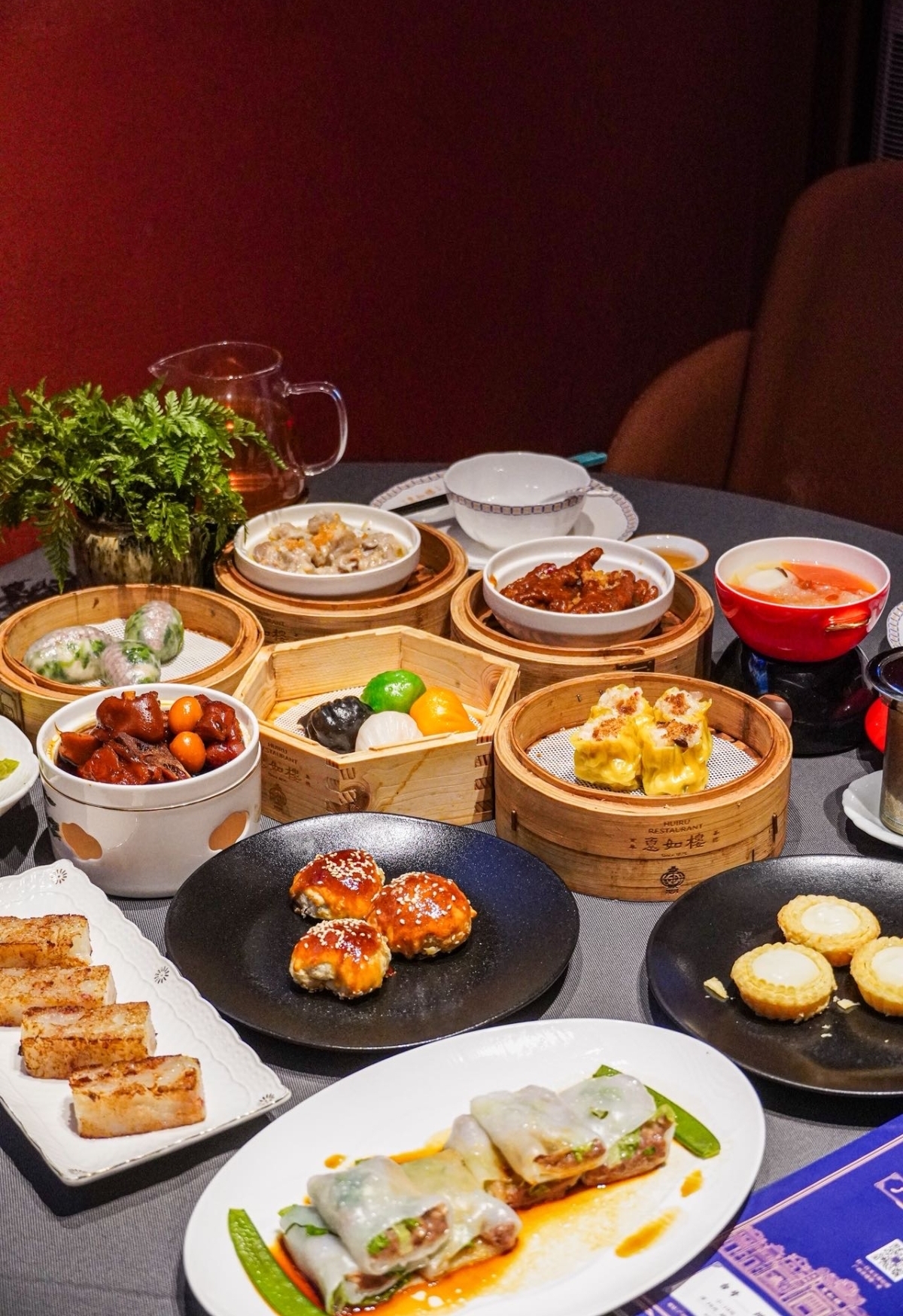
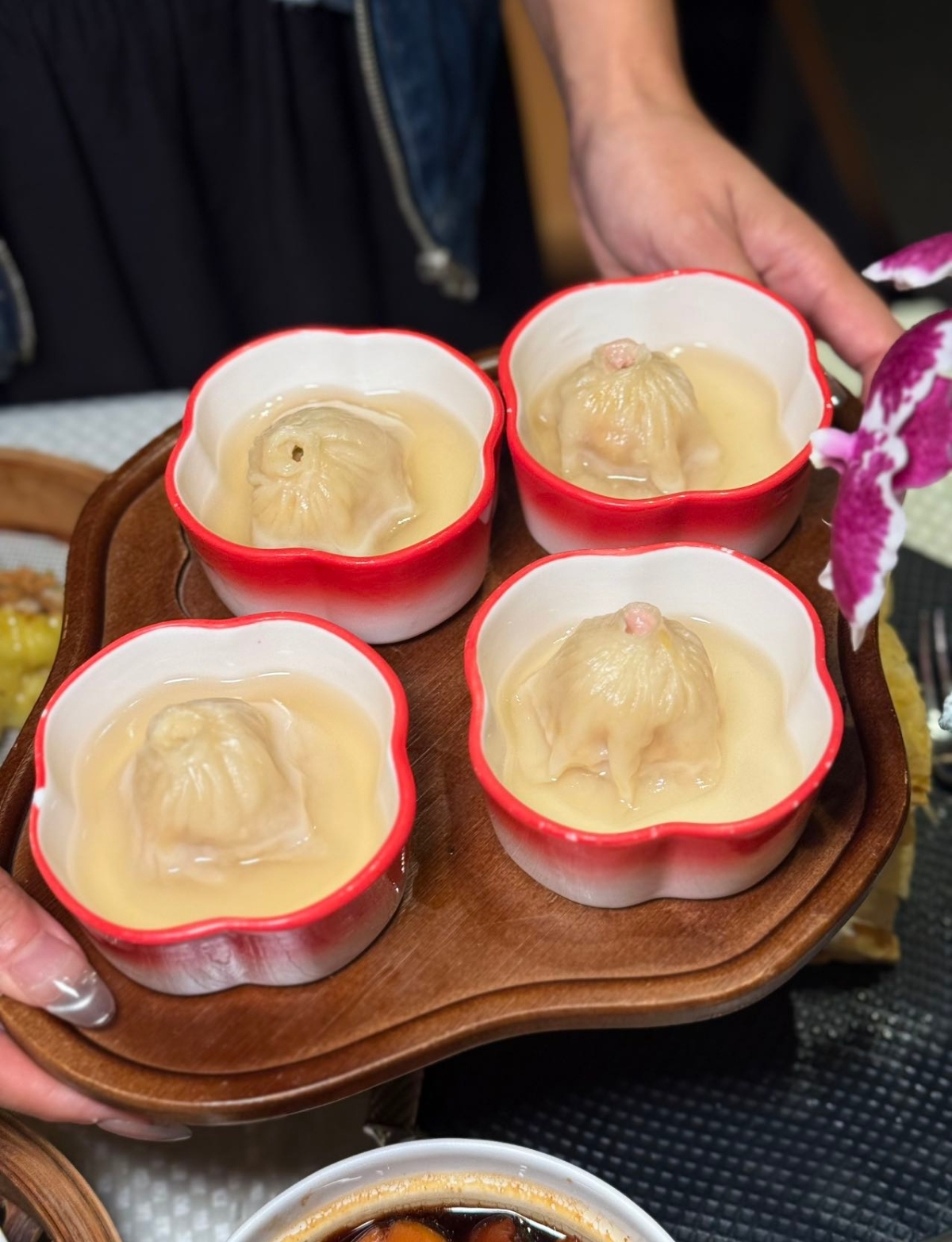
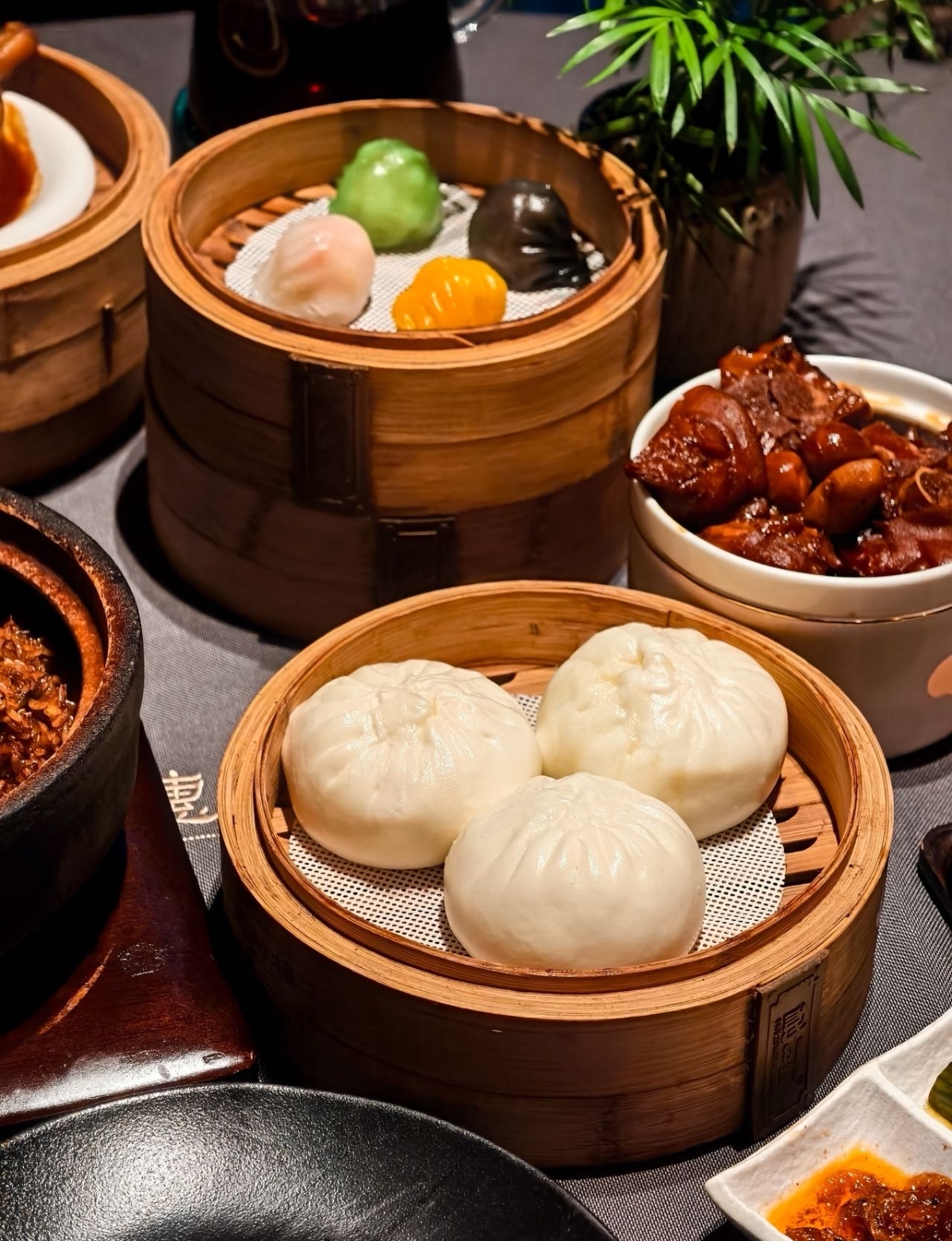
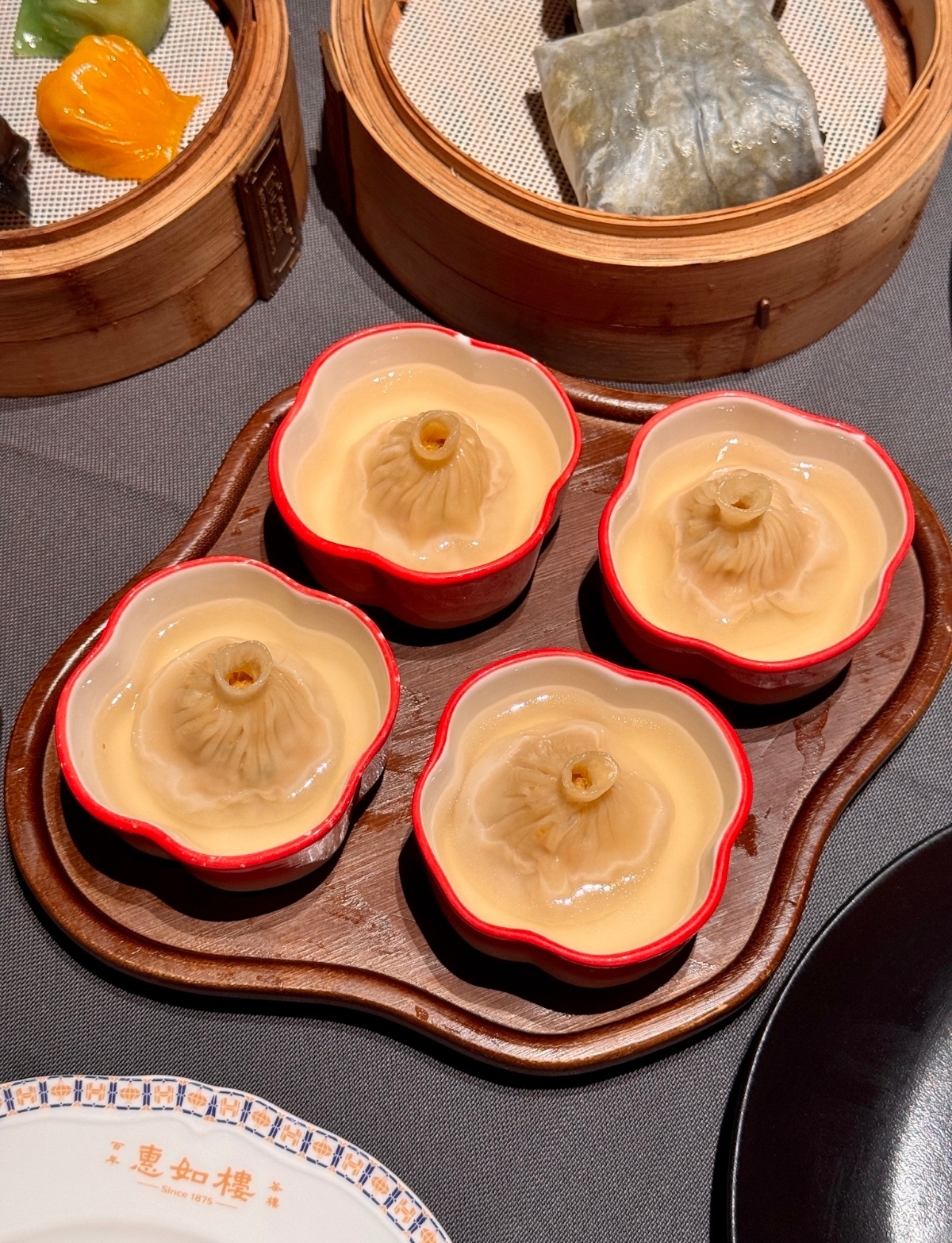
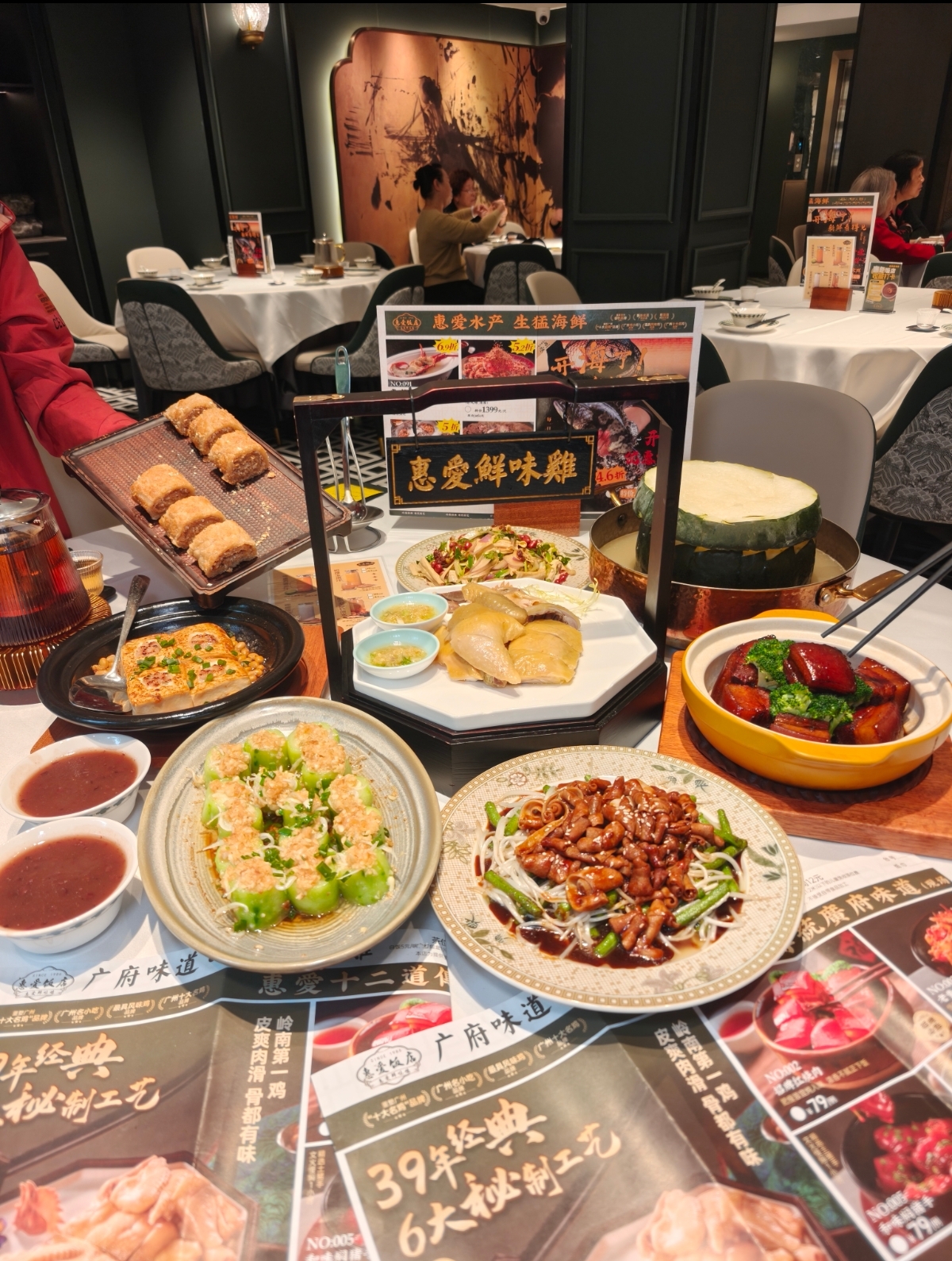
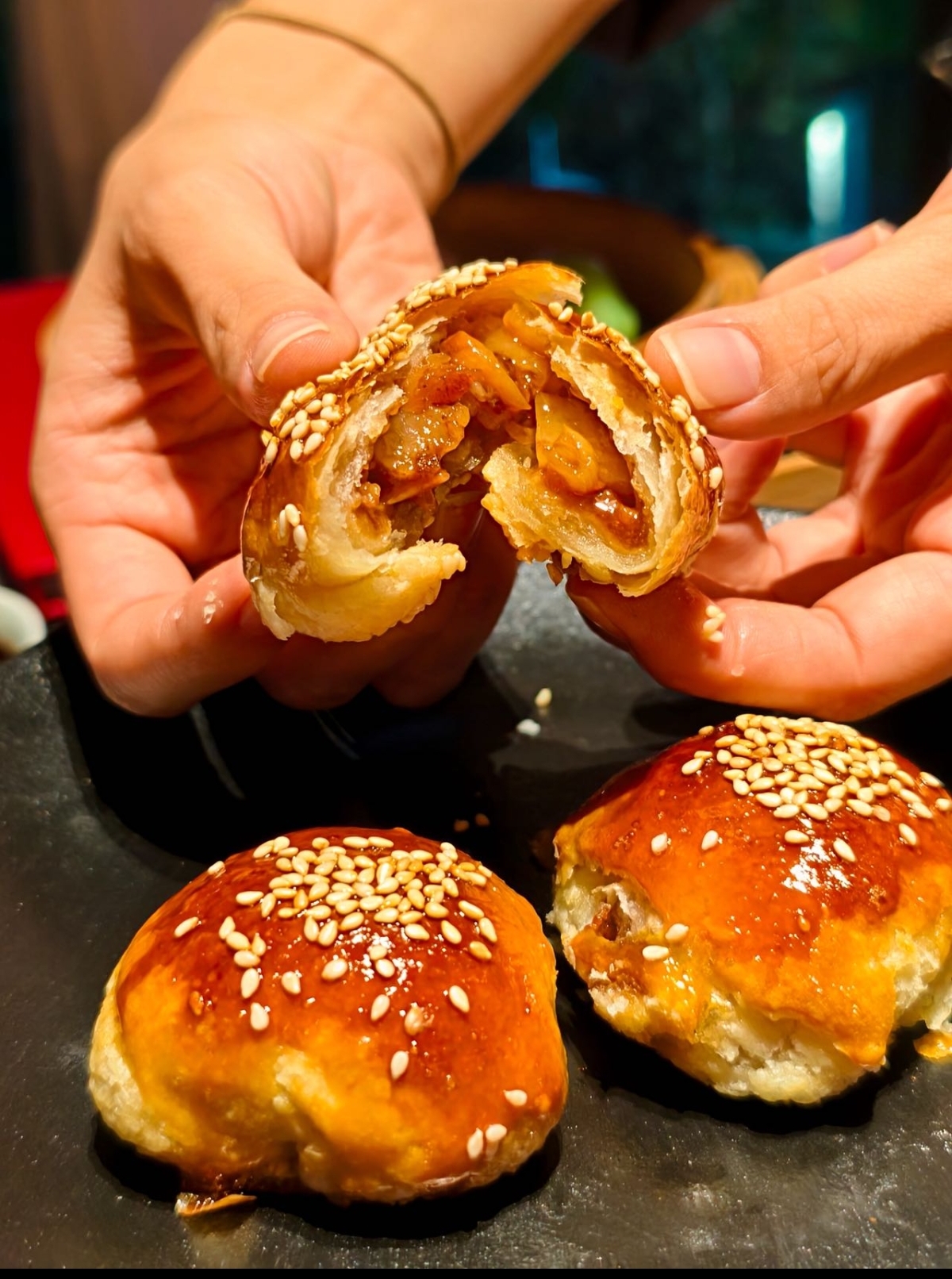
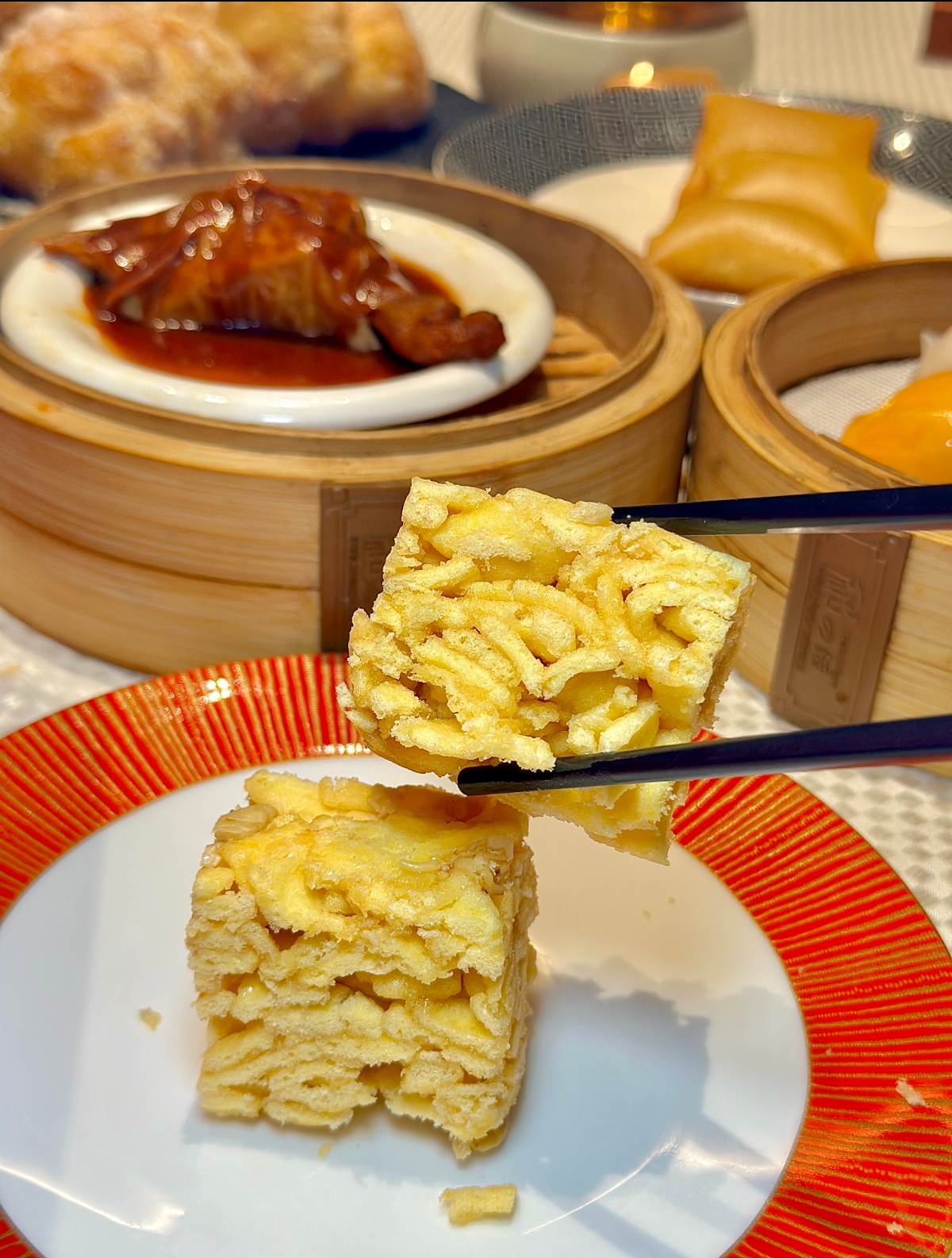
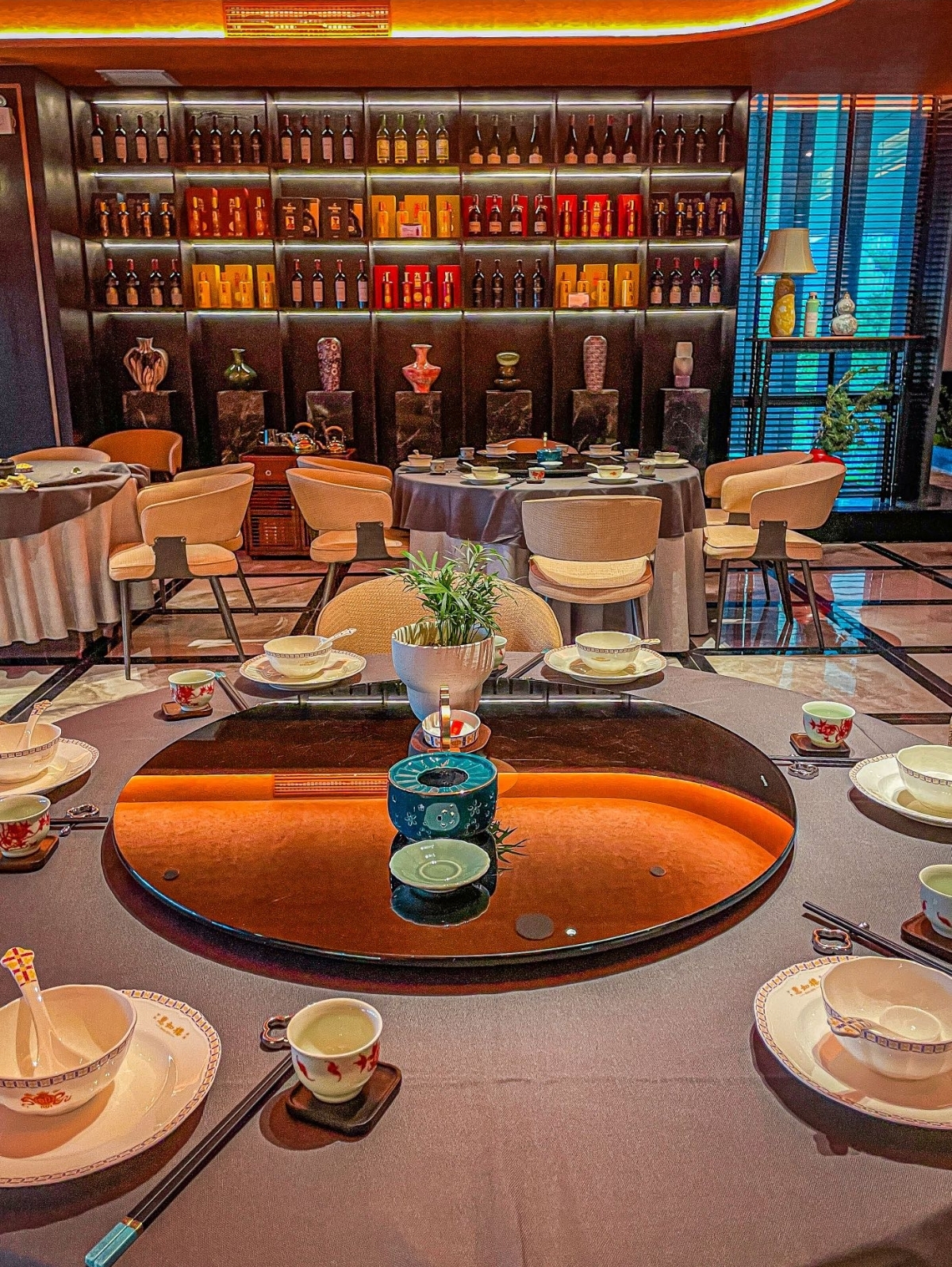
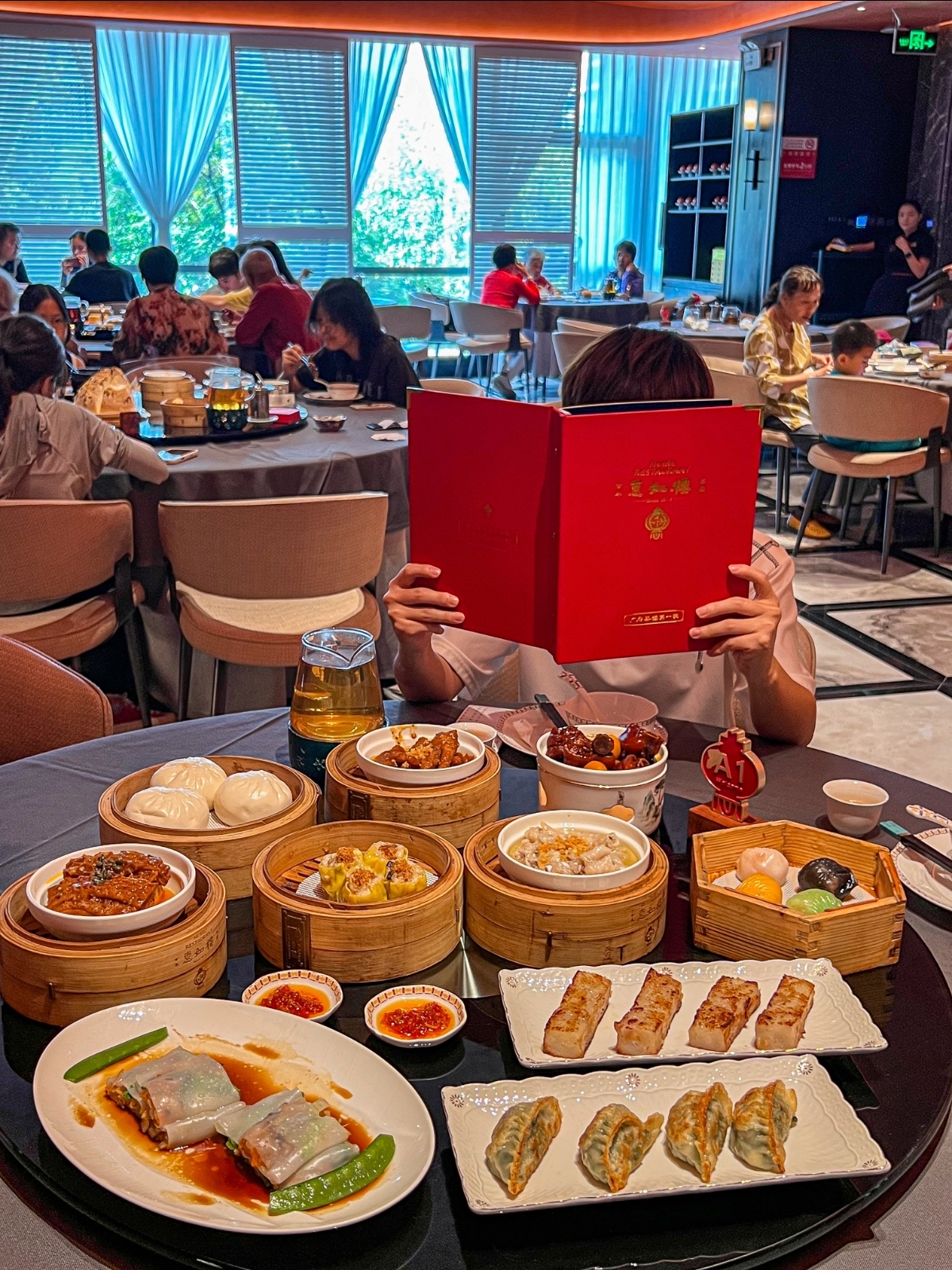
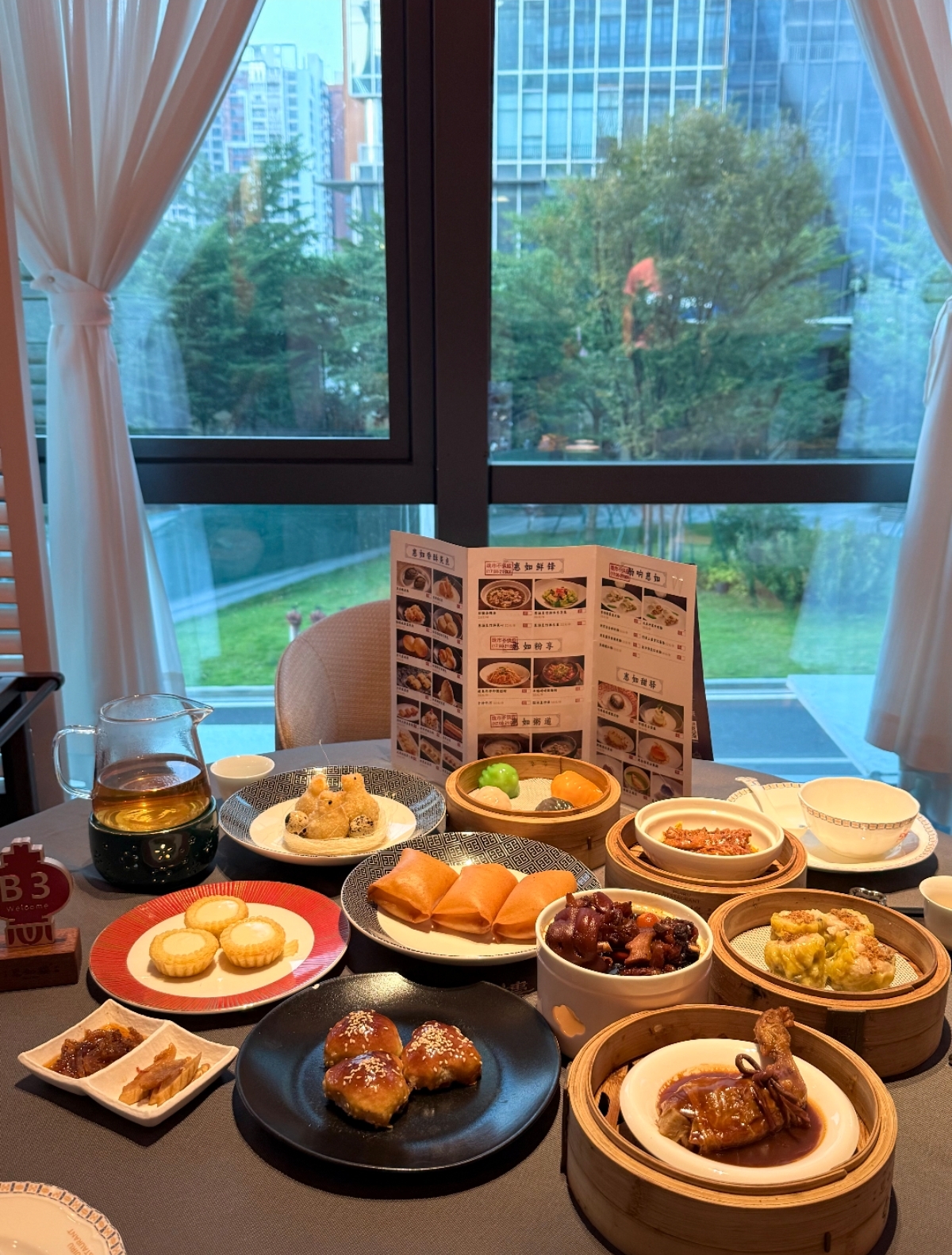
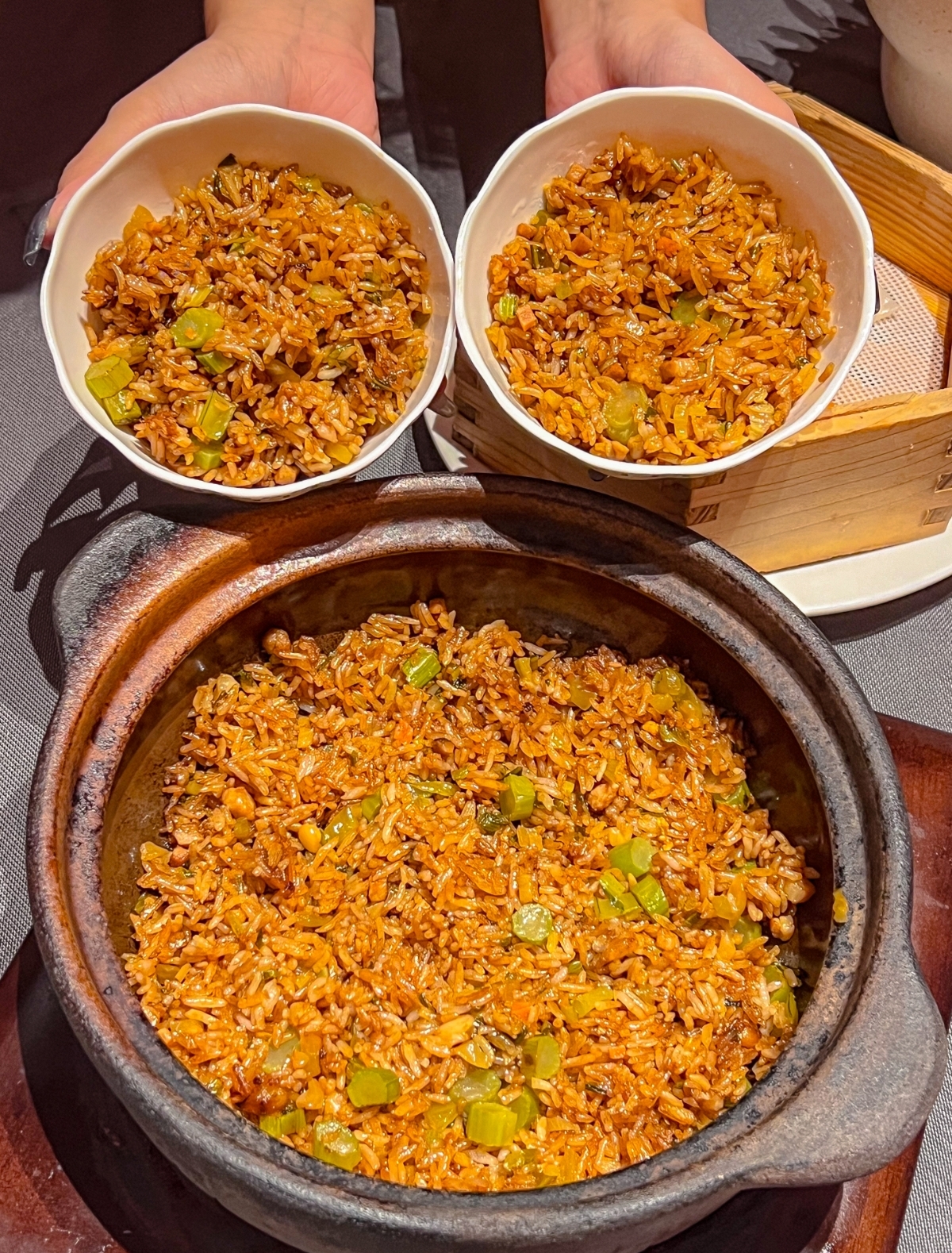
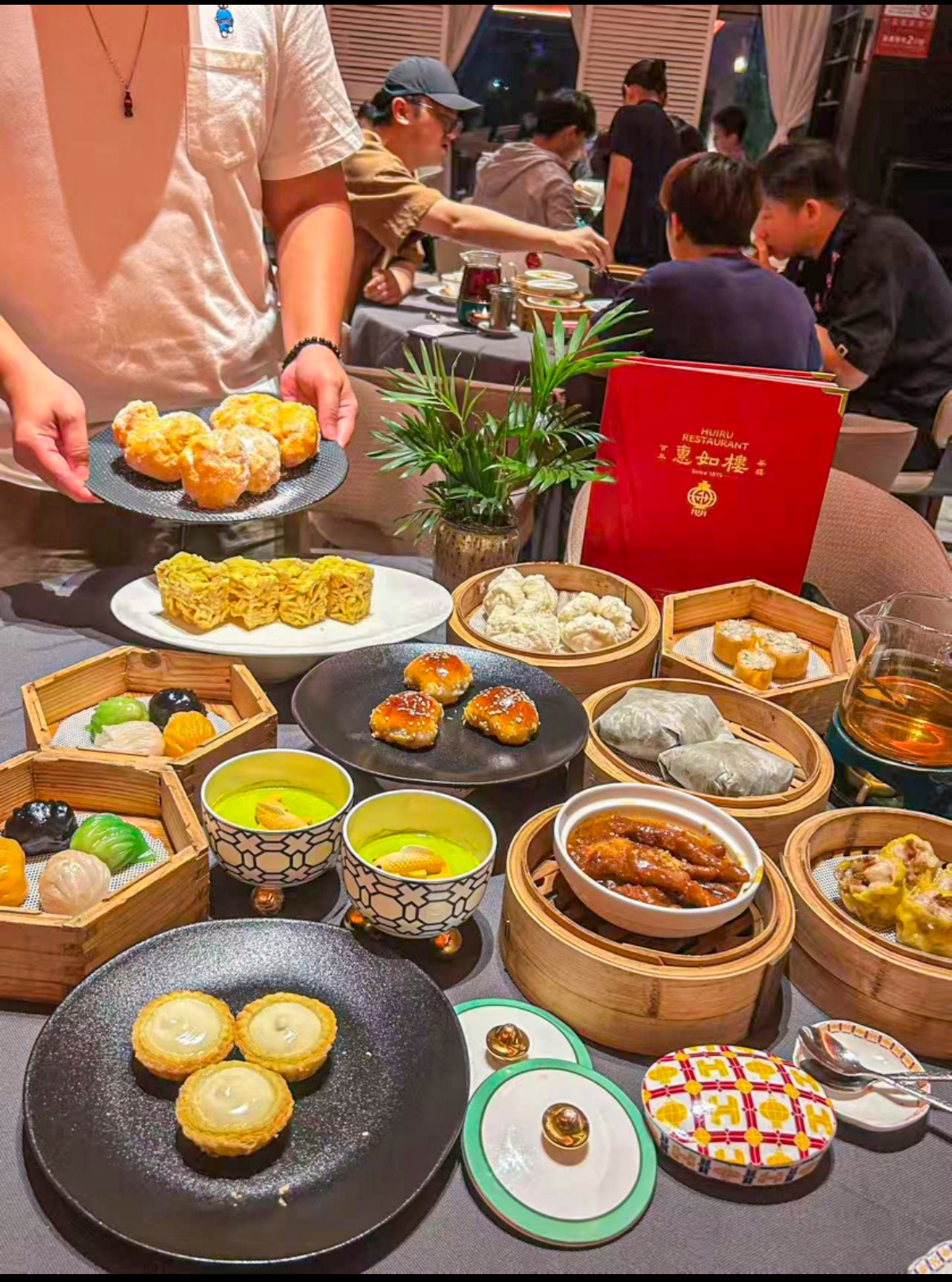
2Huiru Restaurant (惠如楼) — The Night Tea Revival
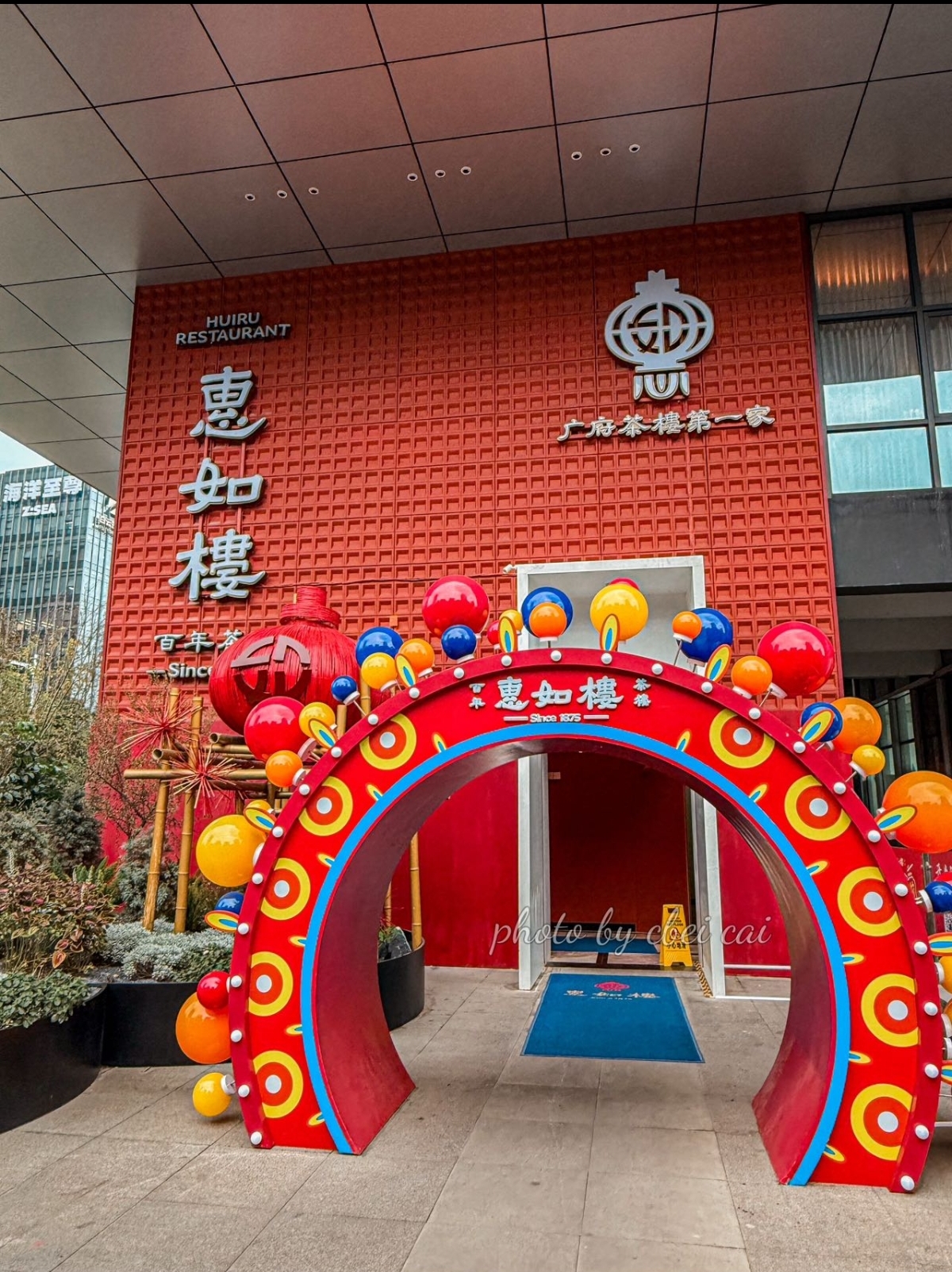



| Chinese Name | 惠如楼 |
| Pinyin | Huìrú Lóu |
| Location | Originally on Zhongshan Fifth Road (Zhōngshān Wǔ Lù, 中山五路), closed 1996 — reopened in 2025 at the Gaoxin Design Building, Baiyun District |
| Founded | 1875 |
| Specialty | Night tea service until 10 PM |
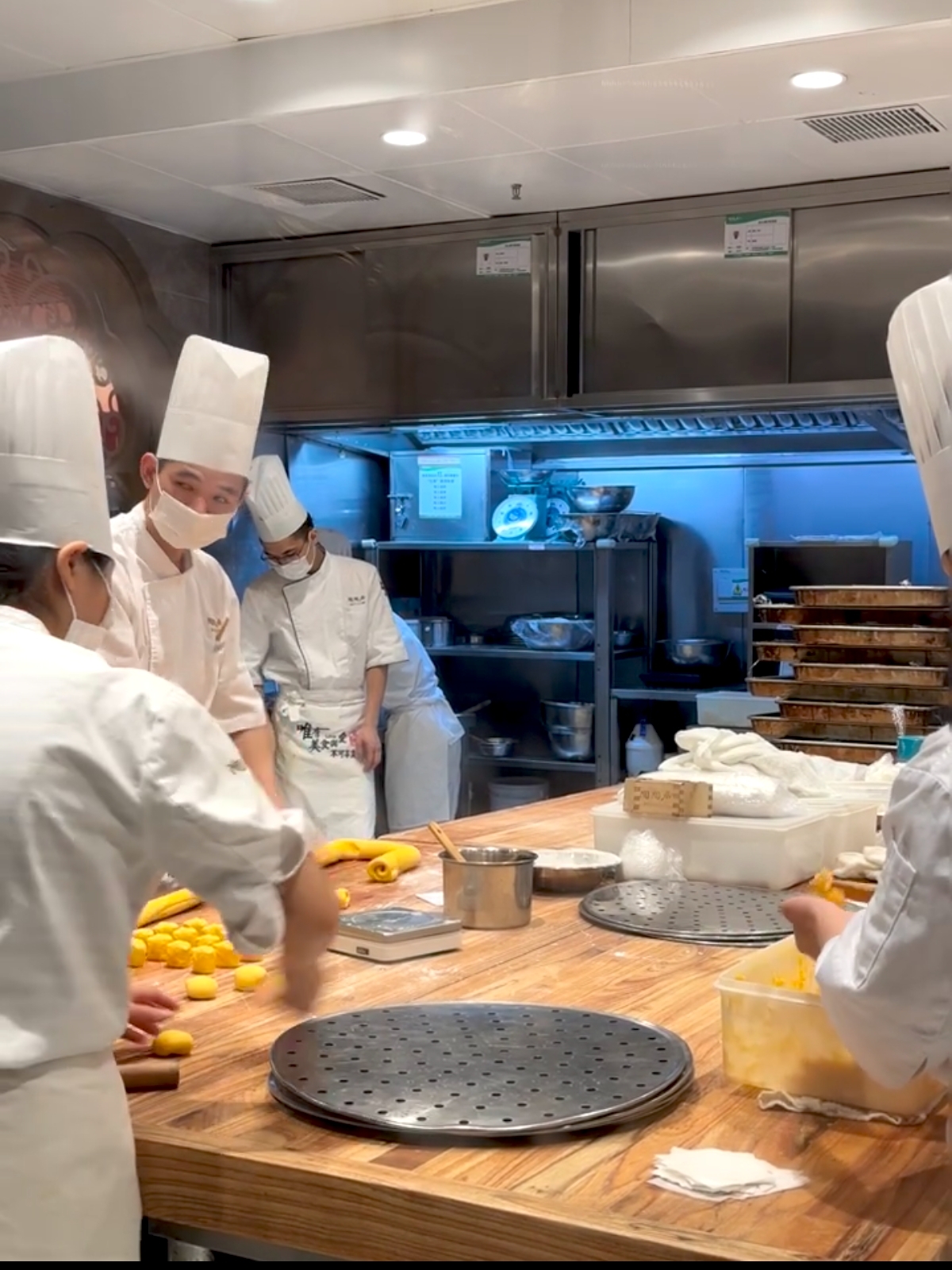
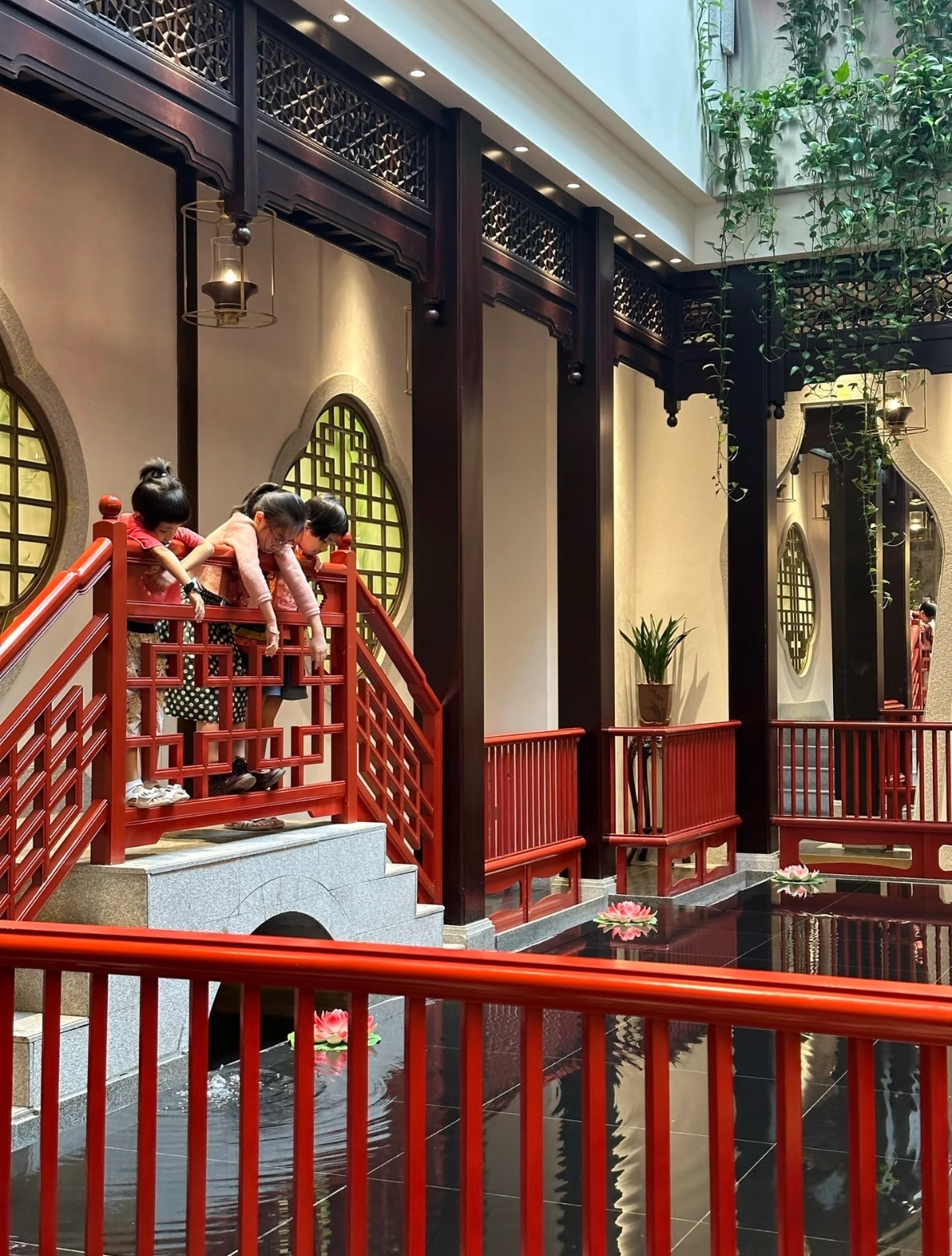
Huiru holds the distinction of being one of the city's oldest teahouses, established just five years before Taotao Ju. The original location's black-and-gold signboard has its own story: it was painted black because the opening coincided with the death of Emperor Tongzhi (Tóngzhì, 同治), when red (an auspicious colour) was forbidden during national mourning — and the tradition stuck.
In 2025, Huiru made headlines by reviving its night tea service, operating until 10 PM. This reclaims a tradition that dates back to the early 20th century but faded in recent decades.
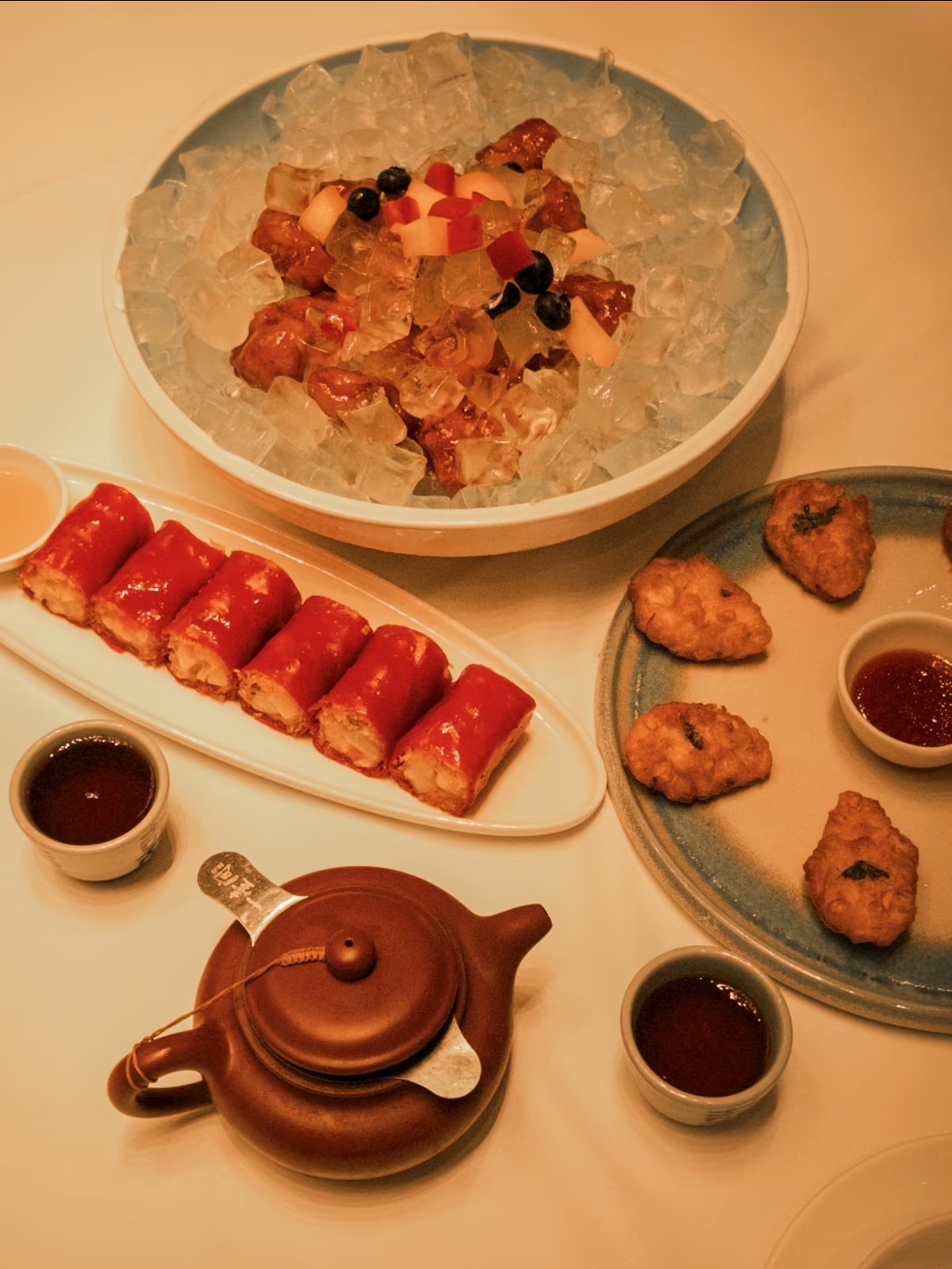
- Offers night-exclusive dishes like steamed duck feet with dried tangerine peel (chénpí, 陈皮).
- Traditional trolley service and teapot refilling customs preserved.
- Three generations often share tables — elders recounting stories while younger ones document the experience.
For visitors, the night session offers a more relaxed alternative to the famously crowded morning rush.
Tea price range: 12–30 RMB
Search on Amap/Apple Maps: 惠如楼 (高芯设计大厦店)
📞 Official Contact Information
| 📍 Address | 2nd Floor, Unit 201, Gaoxin Design Building, 81 Herui Road, Helong Street, Baiyun District, Guangzhou, Guangdong Province, China 广东省广州市白云区鹤龙街鹤瑞路81号2楼201铺(高芯设计大厦2楼) |
| 📞 Phone | Main Line: +86 20 3121 1205 Manager Xia (for reservations): +86 137 1908 8998 |
| Not publicly available. |
🕒 Opening Hours
The restaurant is open daily with two main service periods:
- Morning & Afternoon Tea / Lunch: 9:00 AM – 3:00 PM
- Night Tea & Dinner: 5:00 PM – 9:30 PM
📱 How to Make a Reservation
- By Phone: the most direct way is to call the main line at +86 20 3121 1205. For large groups or private rooms, you can also contact Manager Xia directly at +86 137 1908 8998.
- In Person: the restaurant has 9 high-end private rooms that can accommodate various group sizes. Walk-ins are accepted, but large banquets and private events require advance booking.
🚇 Getting There
Metro: take Line 2 to Huangbian Station (黄边站). Use Exit A and walk about 300 meters.
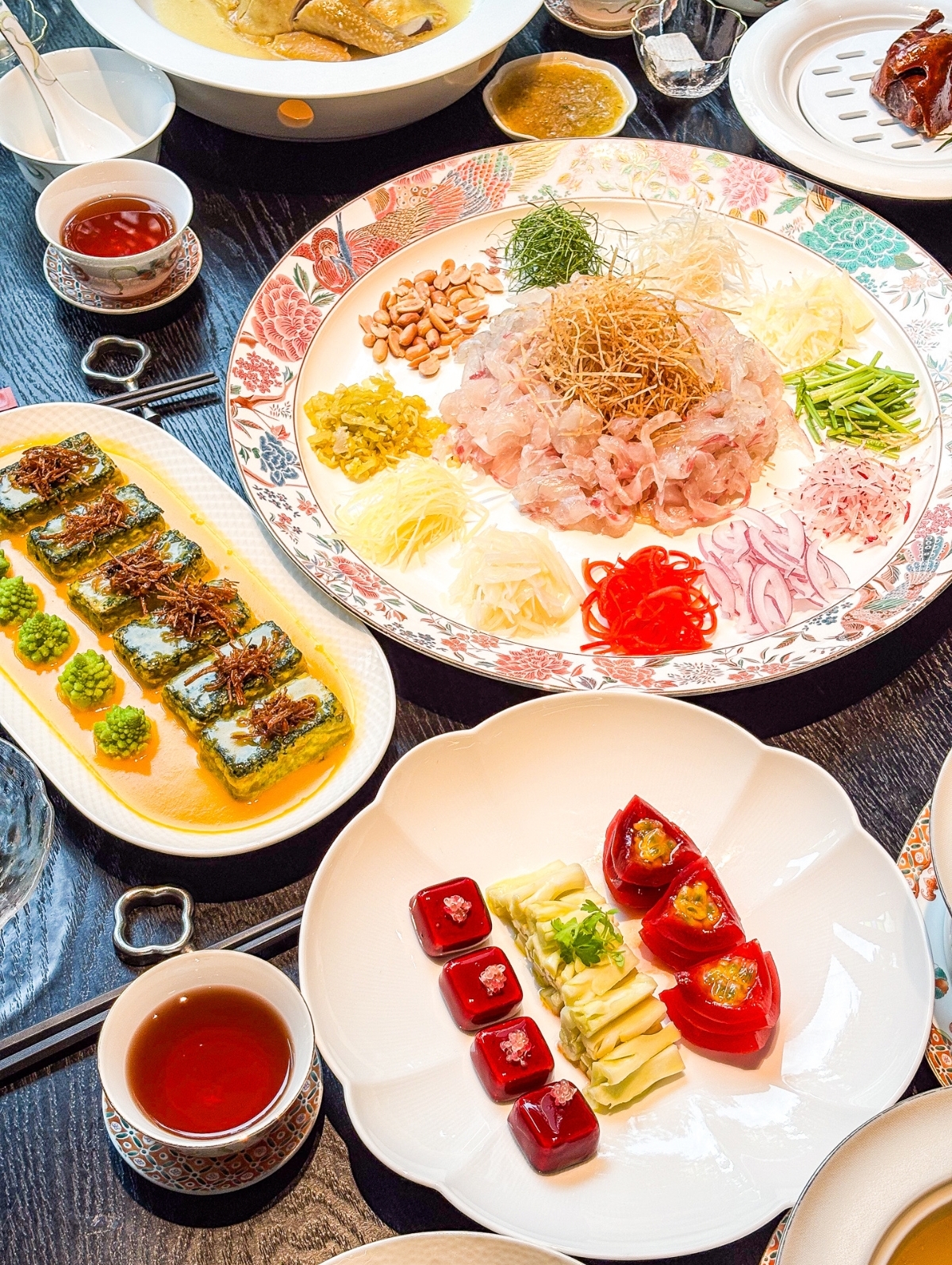
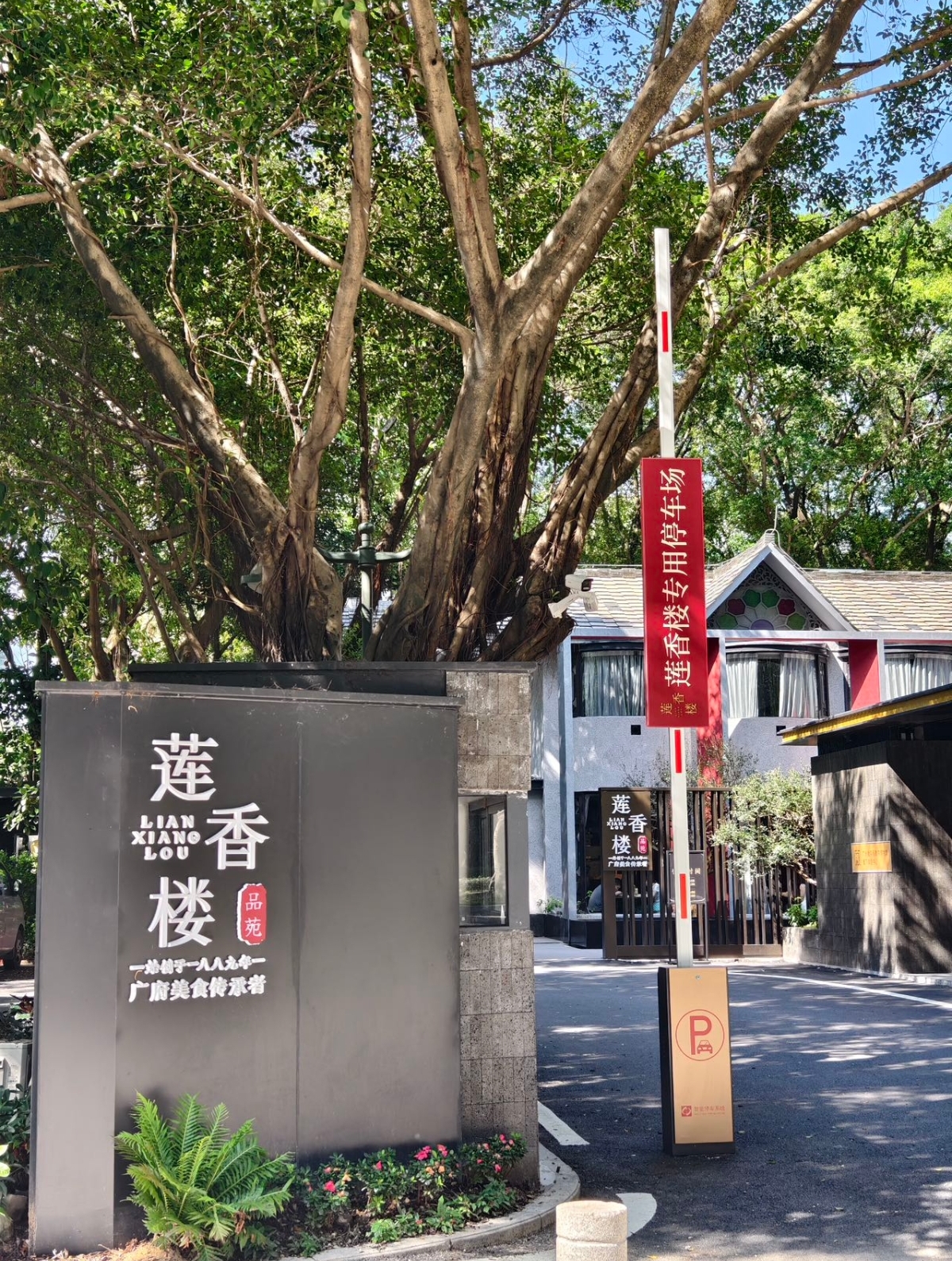
3Lianxiang Lou (莲香楼) — The Arcade Teahouse


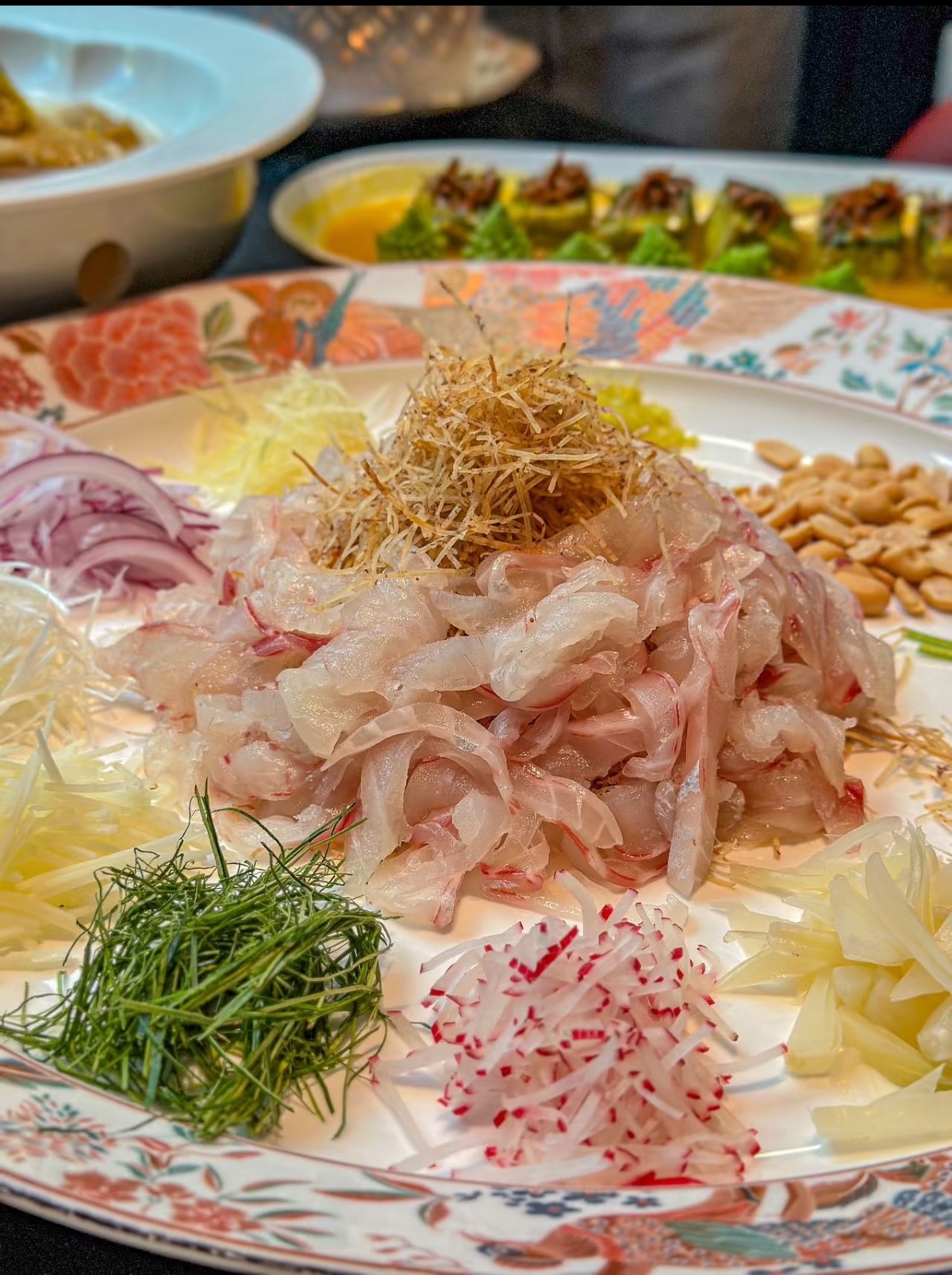
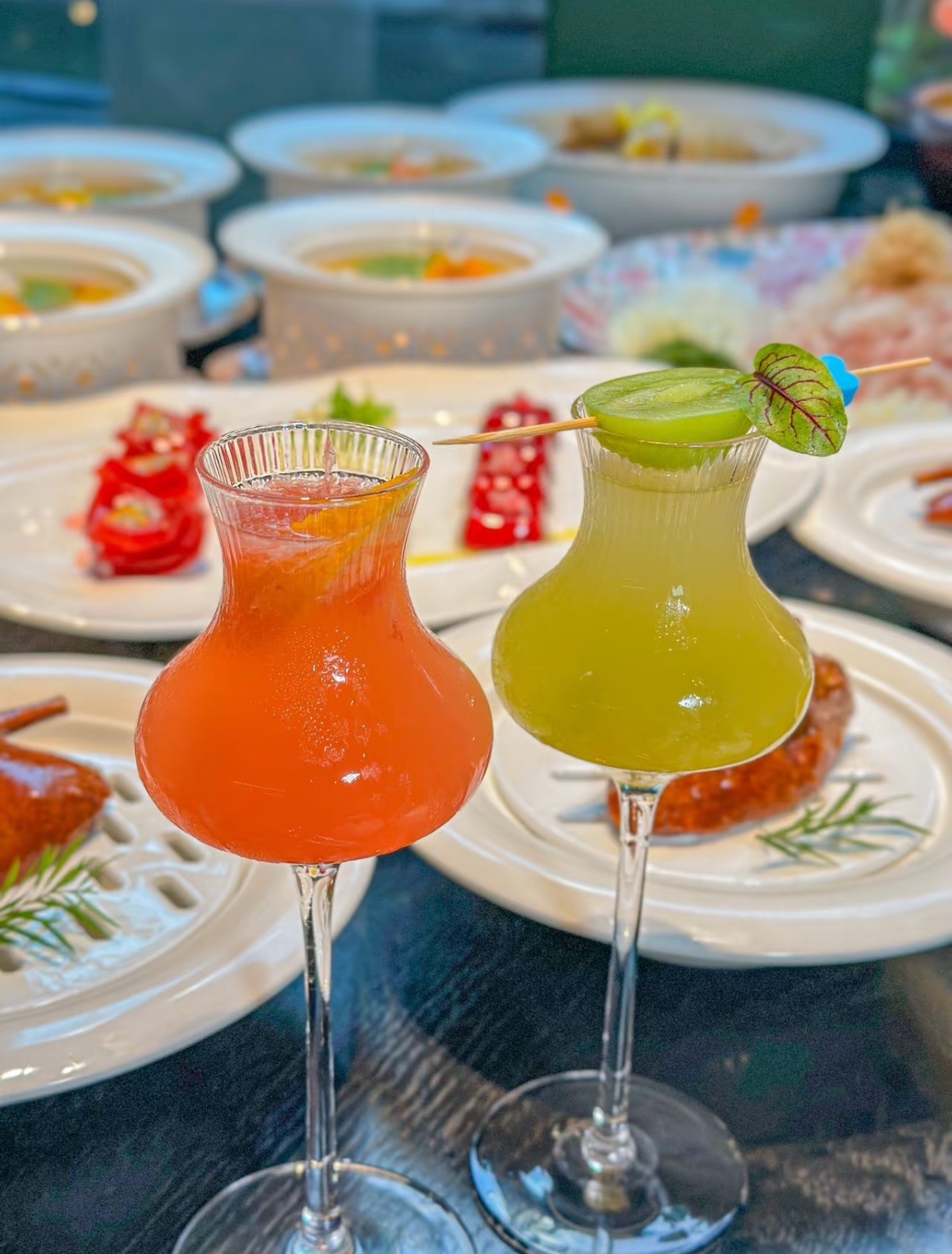
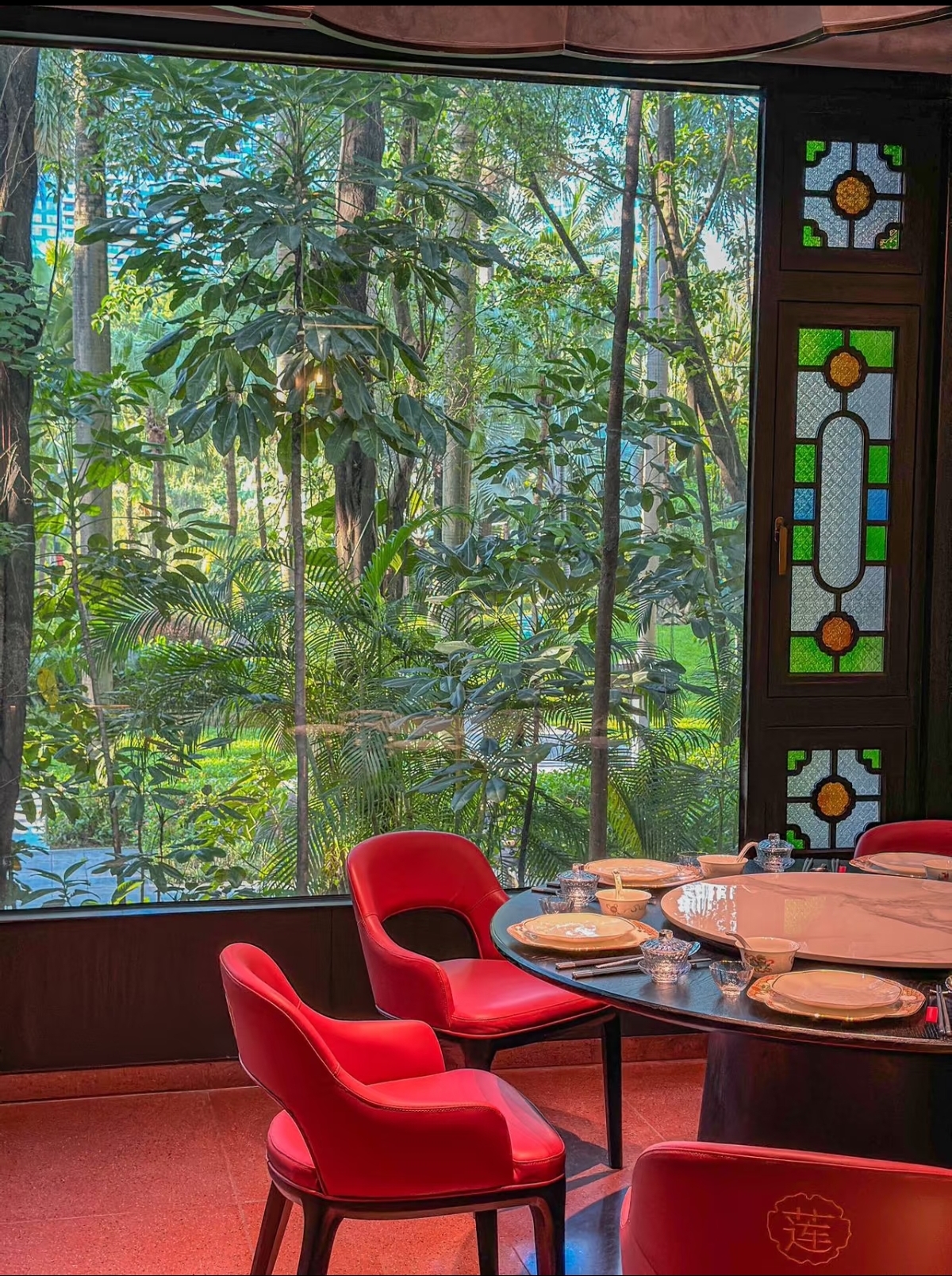
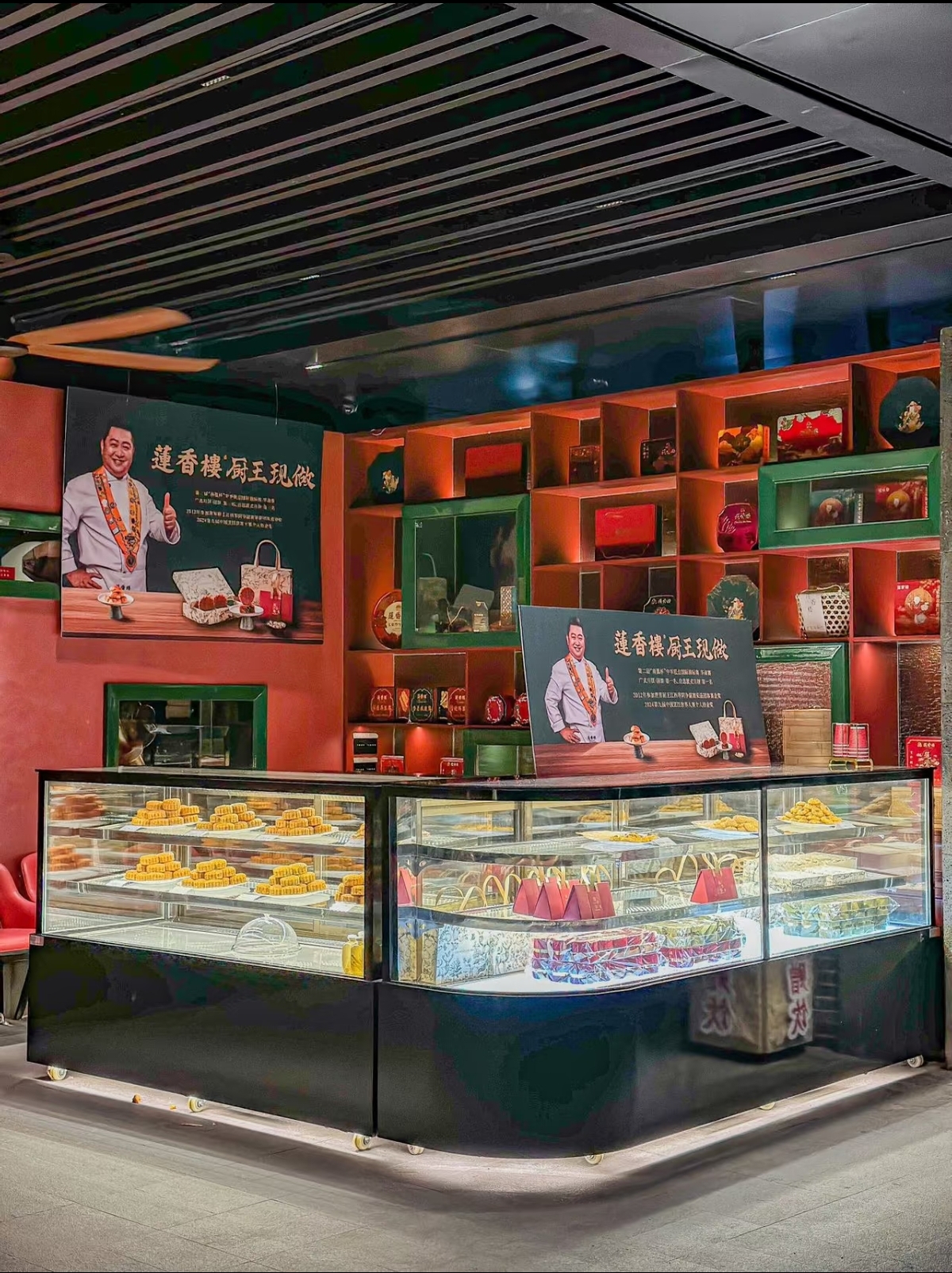

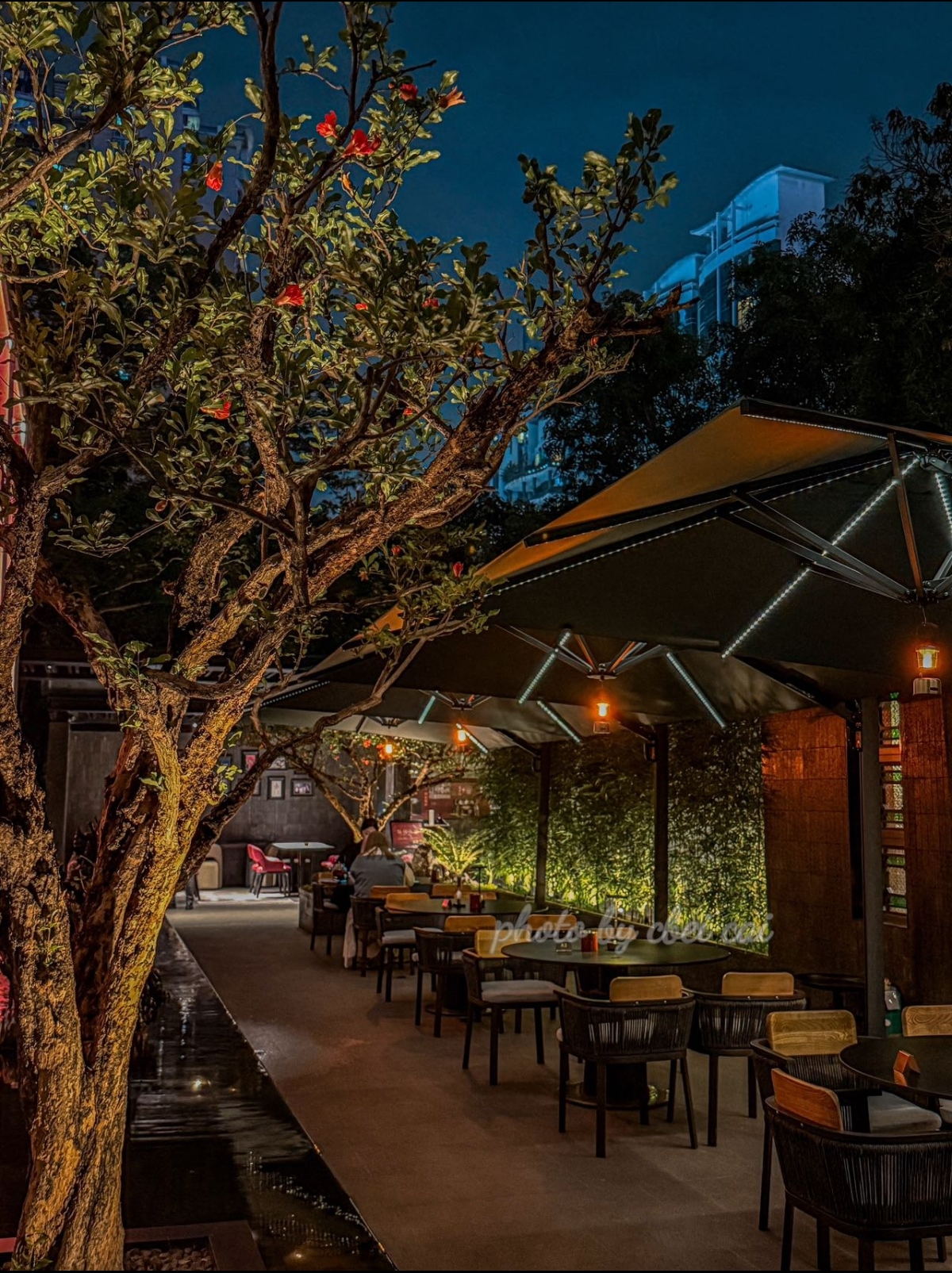
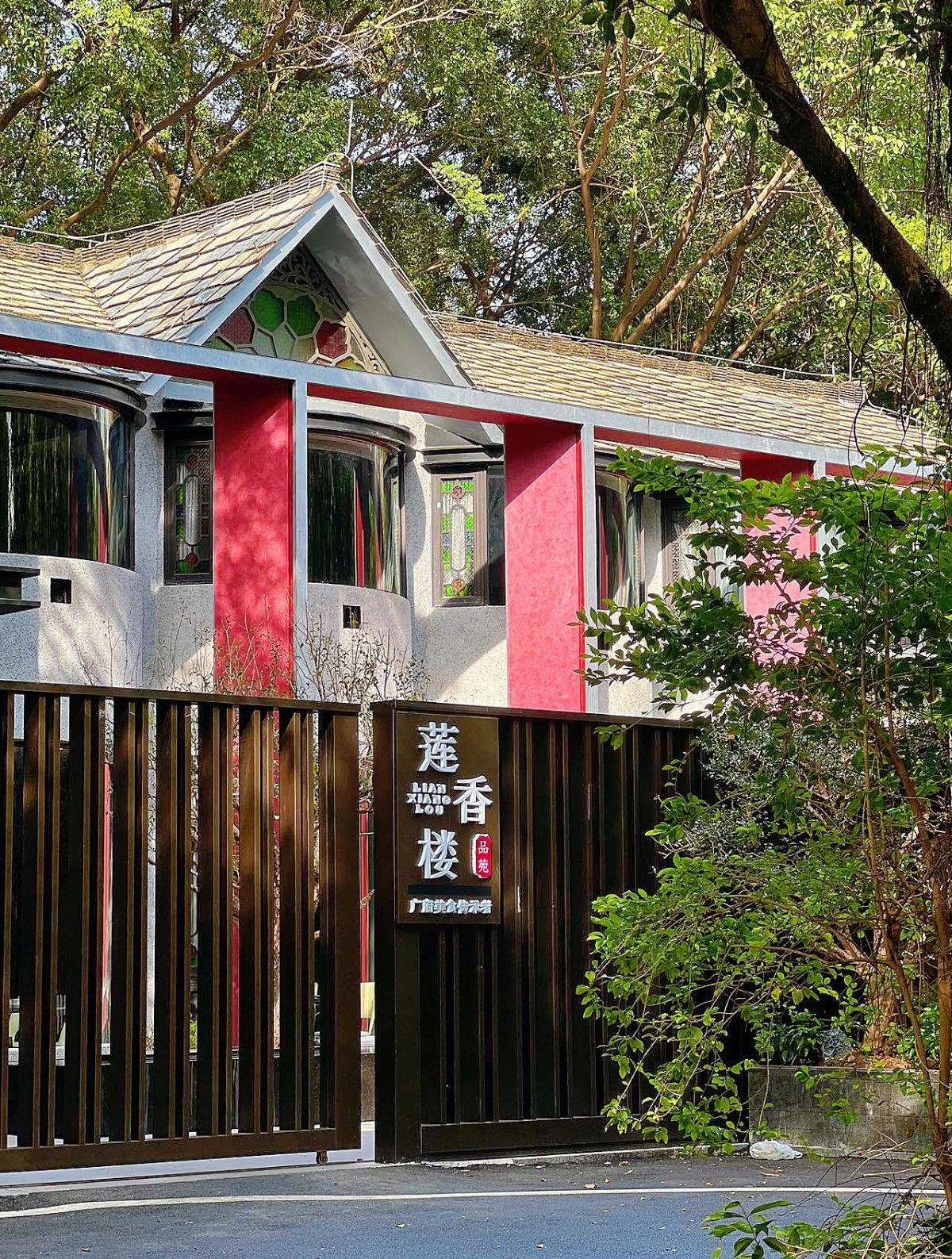

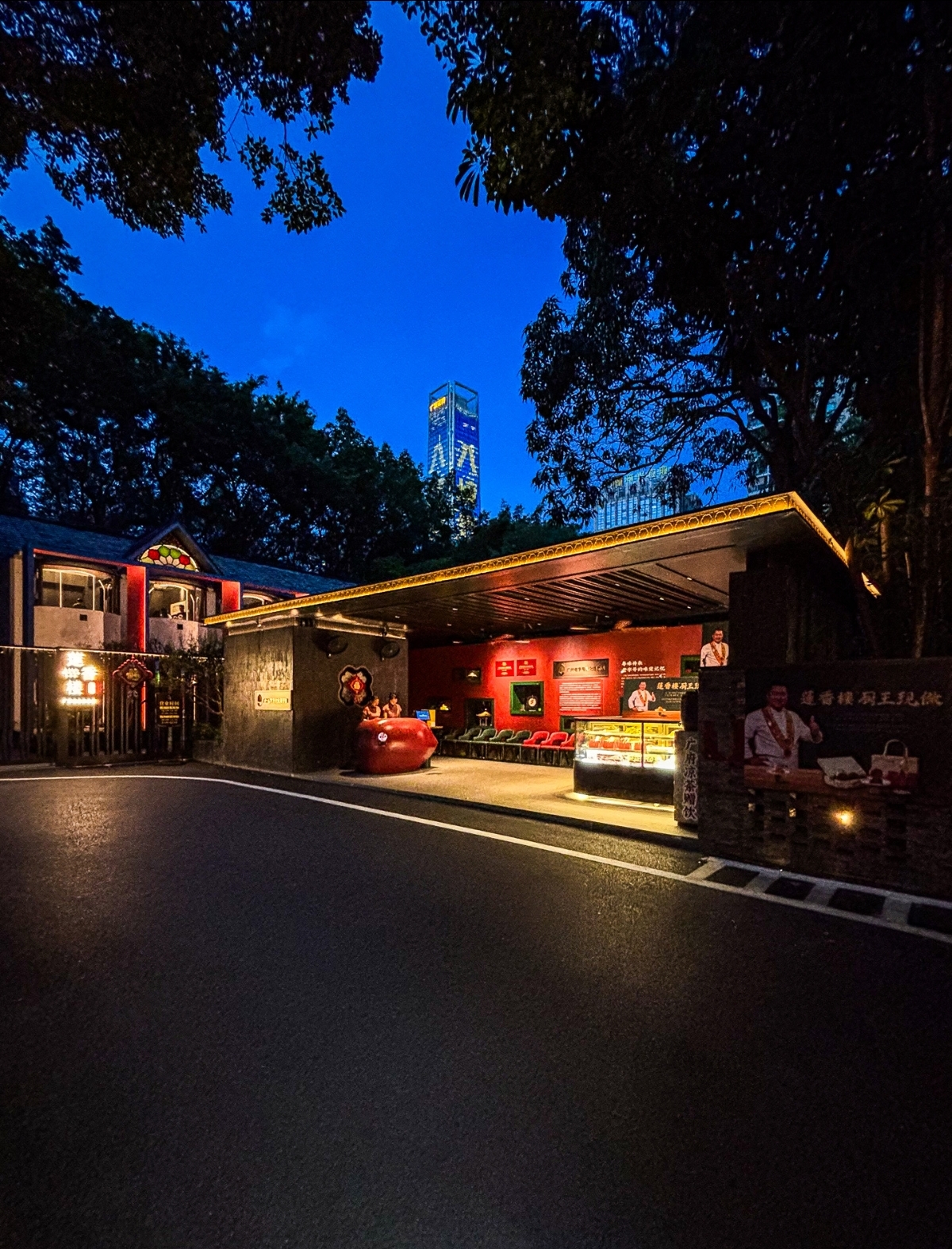
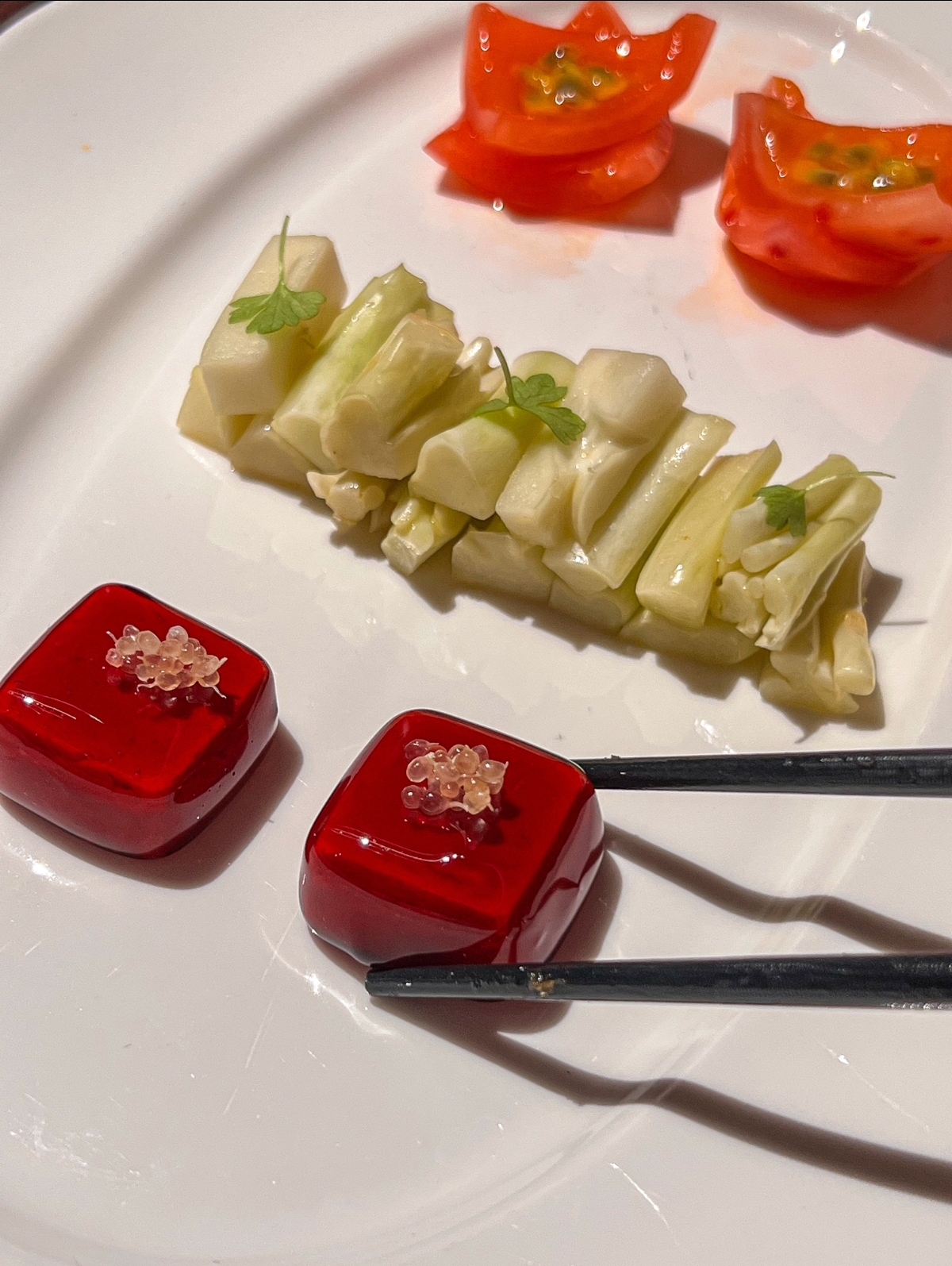


| Chinese Name | 莲香楼 |
| Pinyin | Liánxiāng Lóu |
| Location | Tenth Pu Road (Shífǔ Lù, 第十甫路), Liwan District |
| Period | Founded 1889 (as a bakery); full teahouse since 1910 |
| Signature | Traditional dim sum pairing |
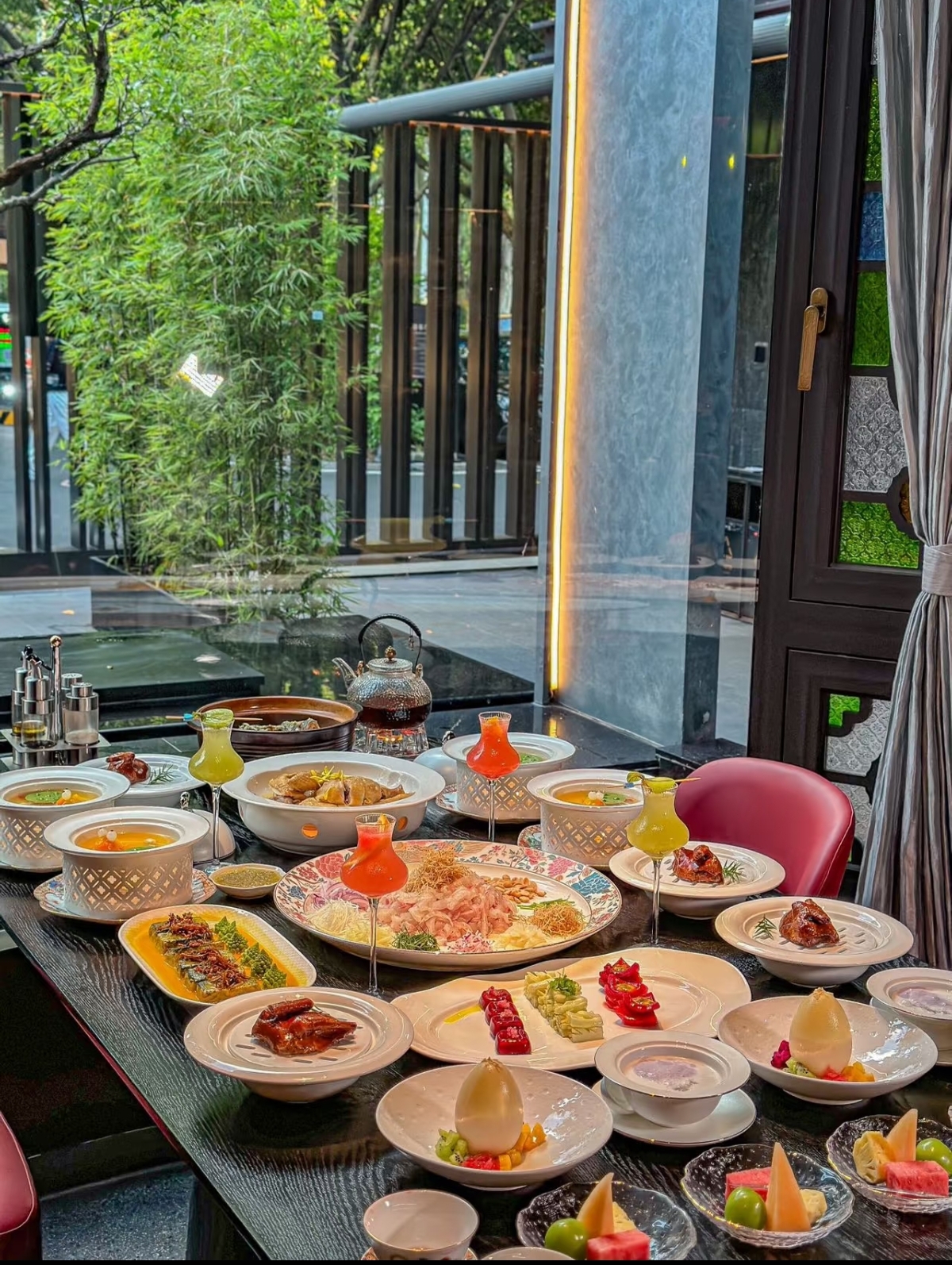
Lianxiang Lou represents the classic arcade-style teahouse — a building form unique to Guangzhou's historic shopping streets. This architectural style, characterised by covered walkways on the ground floor, was designed to shield pedestrians from both sun and rain, reflecting the city's subtropical climate.
The teahouse, like its neighbours, features ornate decorations that blend commercial functionality with landmark presence. Its façade, with its distinctive columns and arches, remains a protected piece of Guangzhou's architectural heritage.
- Classic arcade building architecture (qílóu, 骑楼).
- Strong focus on traditional Cantonese dim sum pairing.
- Located in the historic shopping district.
Tea price range: 10–25 RMB
Search on Amap/Apple Maps: 莲香楼 (第十甫路店)
📞 Official Contact Information
| 📍 Address | 67 Dishifu Road, Liwan District, Guangzhou, Guangdong Province, China 广东省广州市荔湾区第十甫路67号 |
| 📞 Phone | Main Line: +86 20 8139 6272 Alternate: +86 20 8139 6292 (often used for group bookings) |
| 🌐 Official Website | www.lianxianglou.com |
| Not publicly available for the main branch. |
🕒 Opening Hours
The historical branch generally operates daily with two primary service periods:
- Morning Tea / Lunch (Yum Cha): 7:00 AM – 2:30 PM
- Dinner: 5:00 PM – 9:30 PM
Note: it is famously crowded during the morning tea rush, especially on weekends.
📱 How to Make a Reservation
- By Phone: call the main line directly at +86 20 8139 6272. For large banquets or private rooms, ask to speak with the reservations manager via the alternate line (+86 20 8139 6292).
- Dianping App (大众点评): search for "莲香楼 (第十甫路总店)". You can use the electronic queue system to secure a spot before arriving, especially during peak brunch hours.
- WeChat Mini-Program: search for the mini-program "美味不用等" (Meiwei Buyong Deng). Inside, search for "莲香楼" and select the Dishifu Road main branch to book a queue number.
🚇 Getting There
Metro: take Line 1 or Line 6 to Huangsha Station (黄沙站) and walk east, or take Line 1 to Chen Clan Academy Station (陈家祠站) and walk south. The most scenic route is to walk down Dishifu Road from the Chen Clan Academy direction — you'll pass the historic arcade buildings, with Taotao Ju just a few doors down!
4Che Cha (迠茶) — Modern Minimalism




| Chinese Name | 迠茶 |
| Pinyin | Chè Chá |
| Location | 7 Changxing Street (Chángxīng Jiē, 长兴街), off Zhongshan 5th Road, Yuexiu District (Yuèxiù Qū, 越秀区) — standalone 4-story building near Beijing Road |
| Nearest Metro | Gongyuanqian Station (Gōngyuánqián, 公园前) |
| Established | Contemporary |
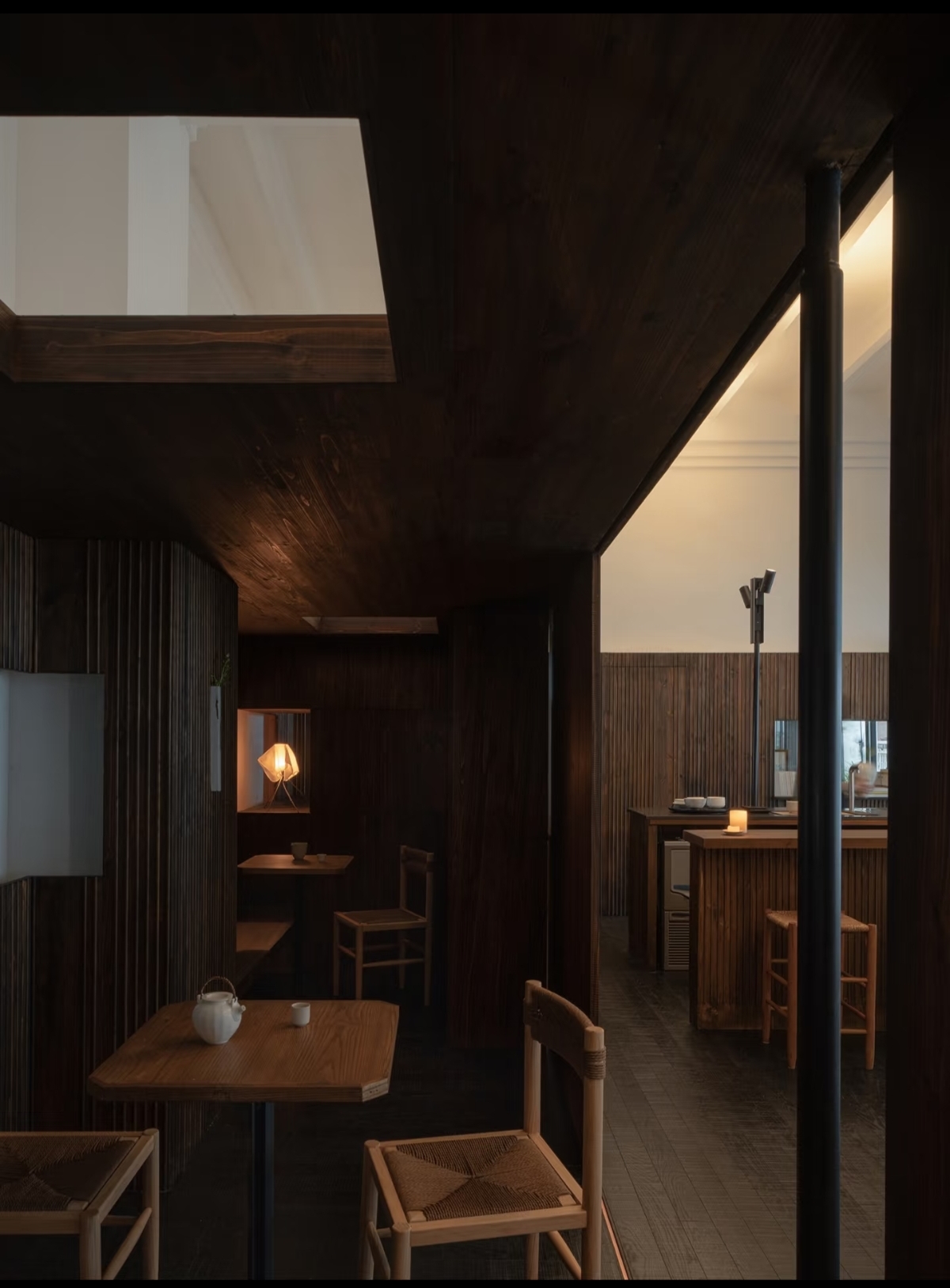
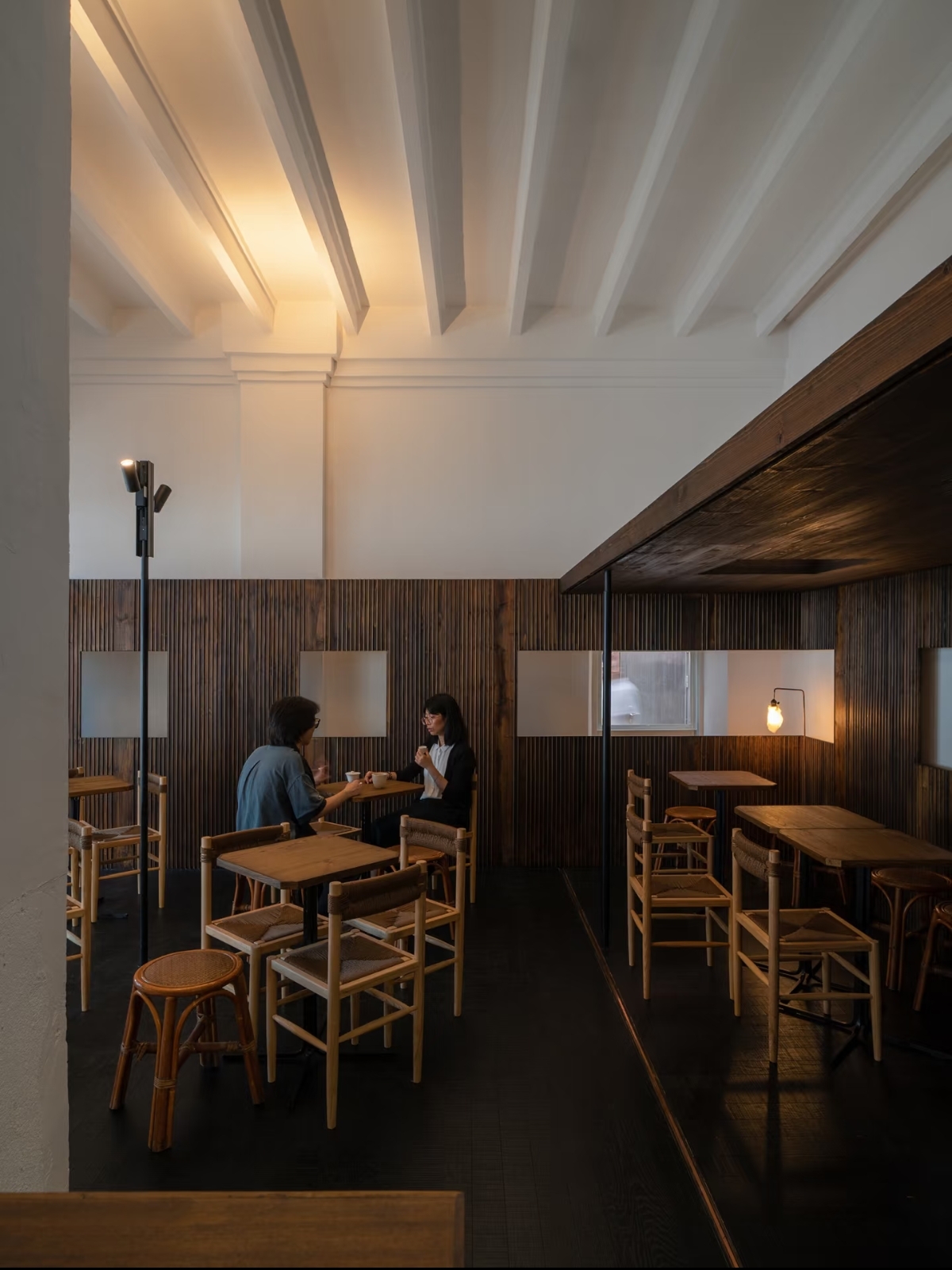
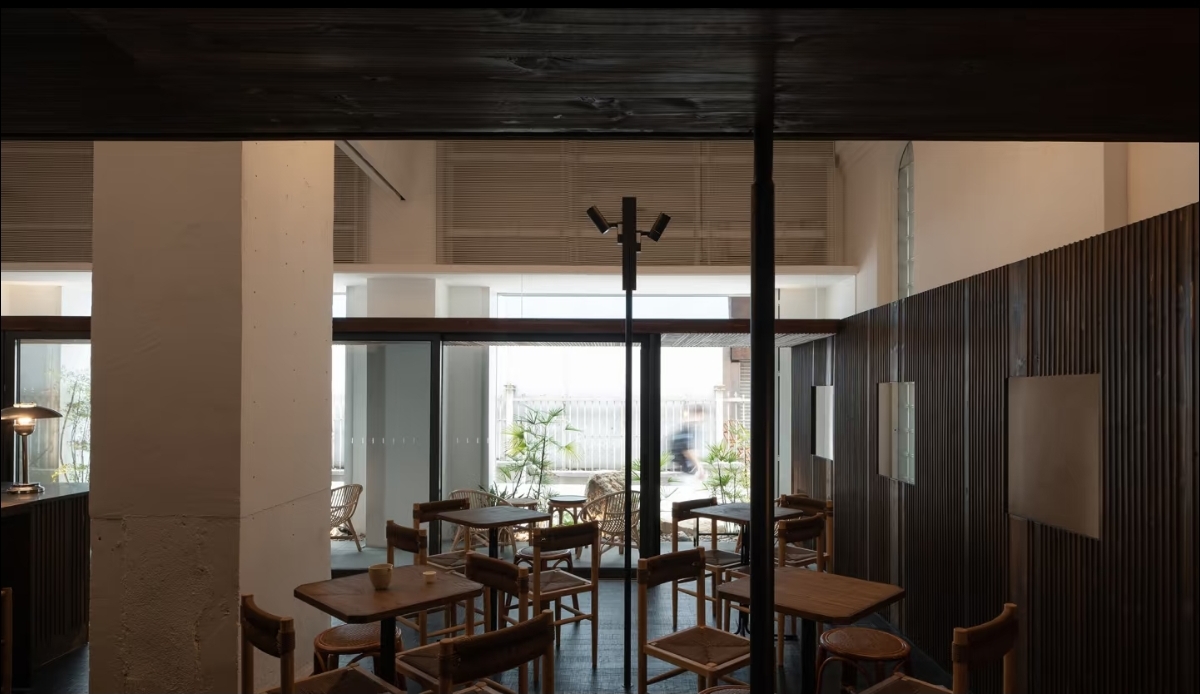
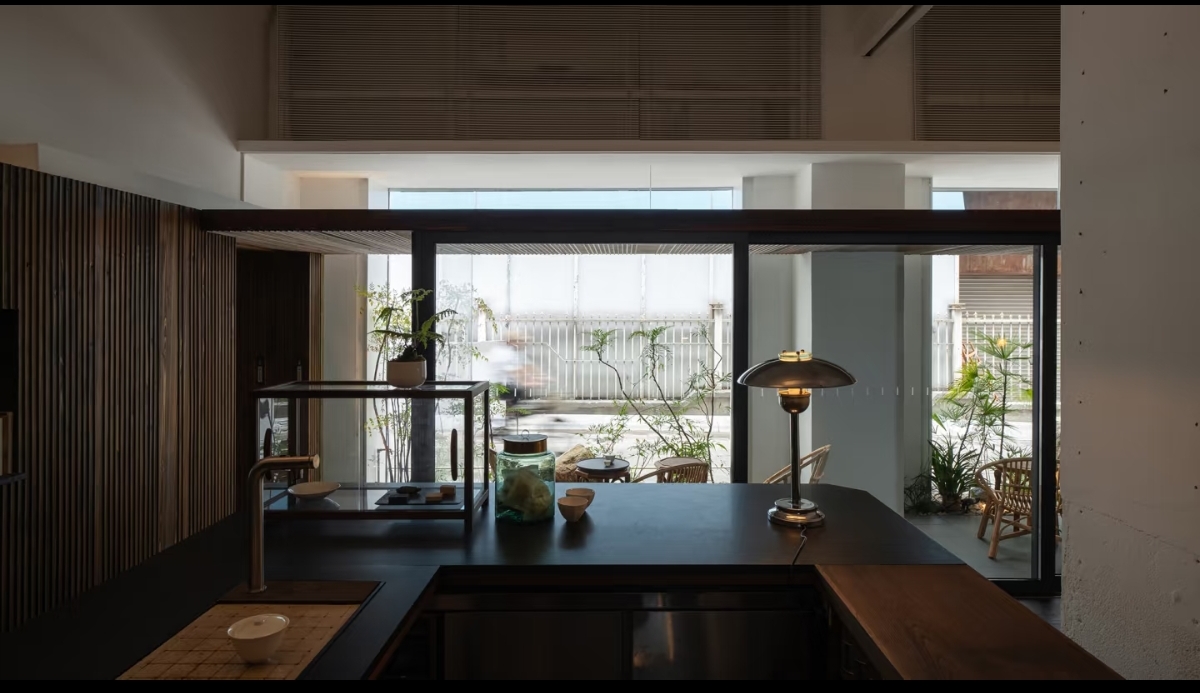
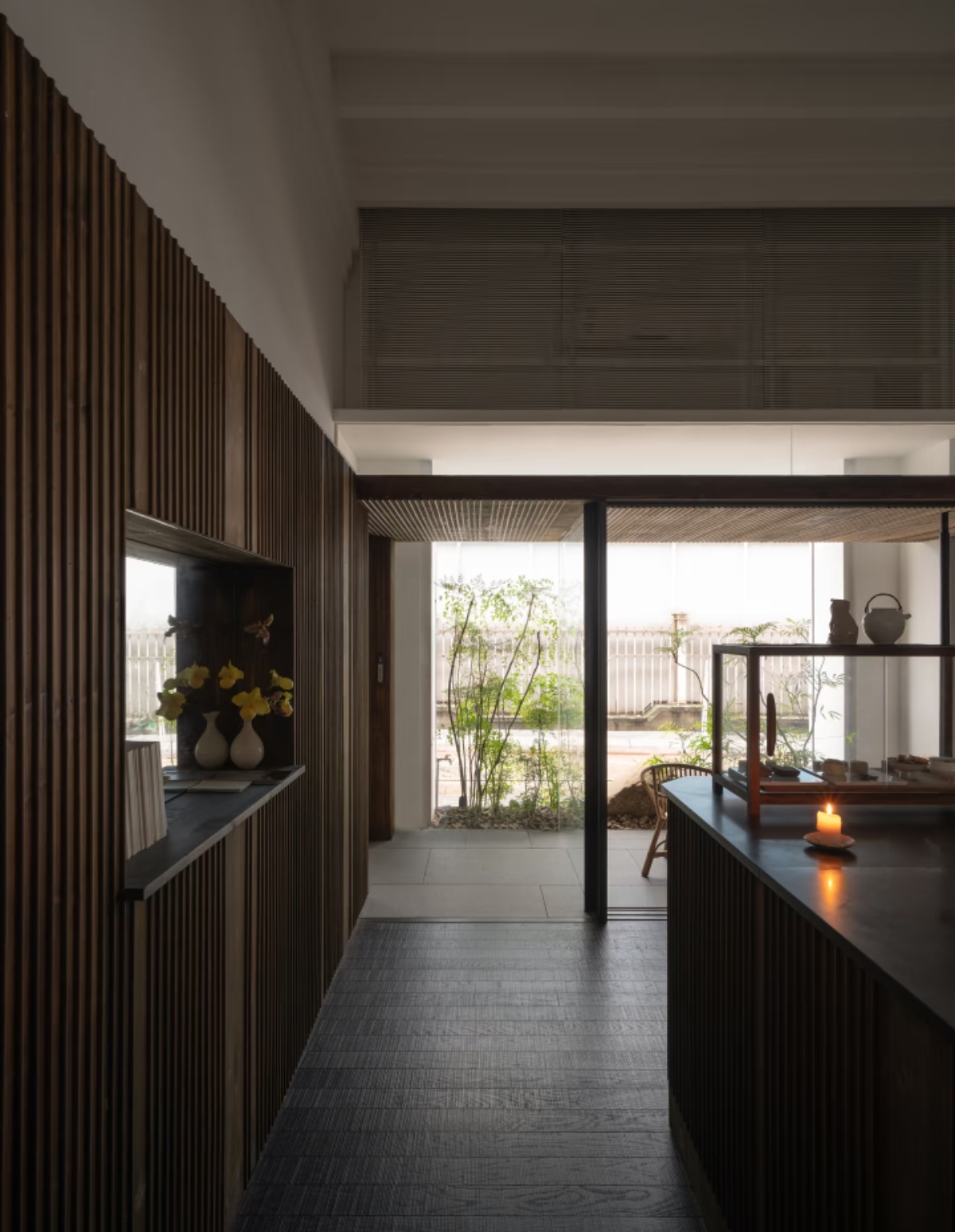
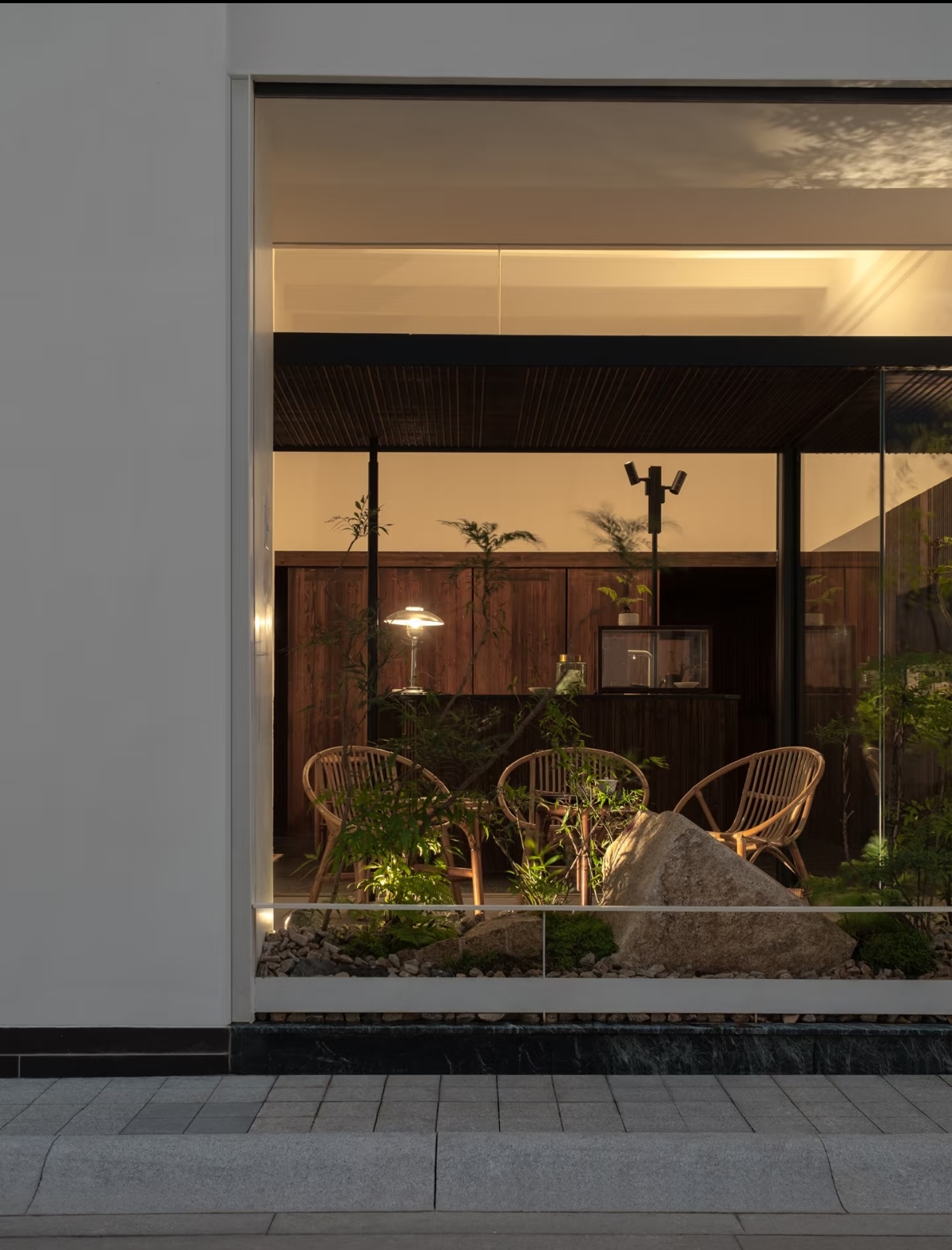
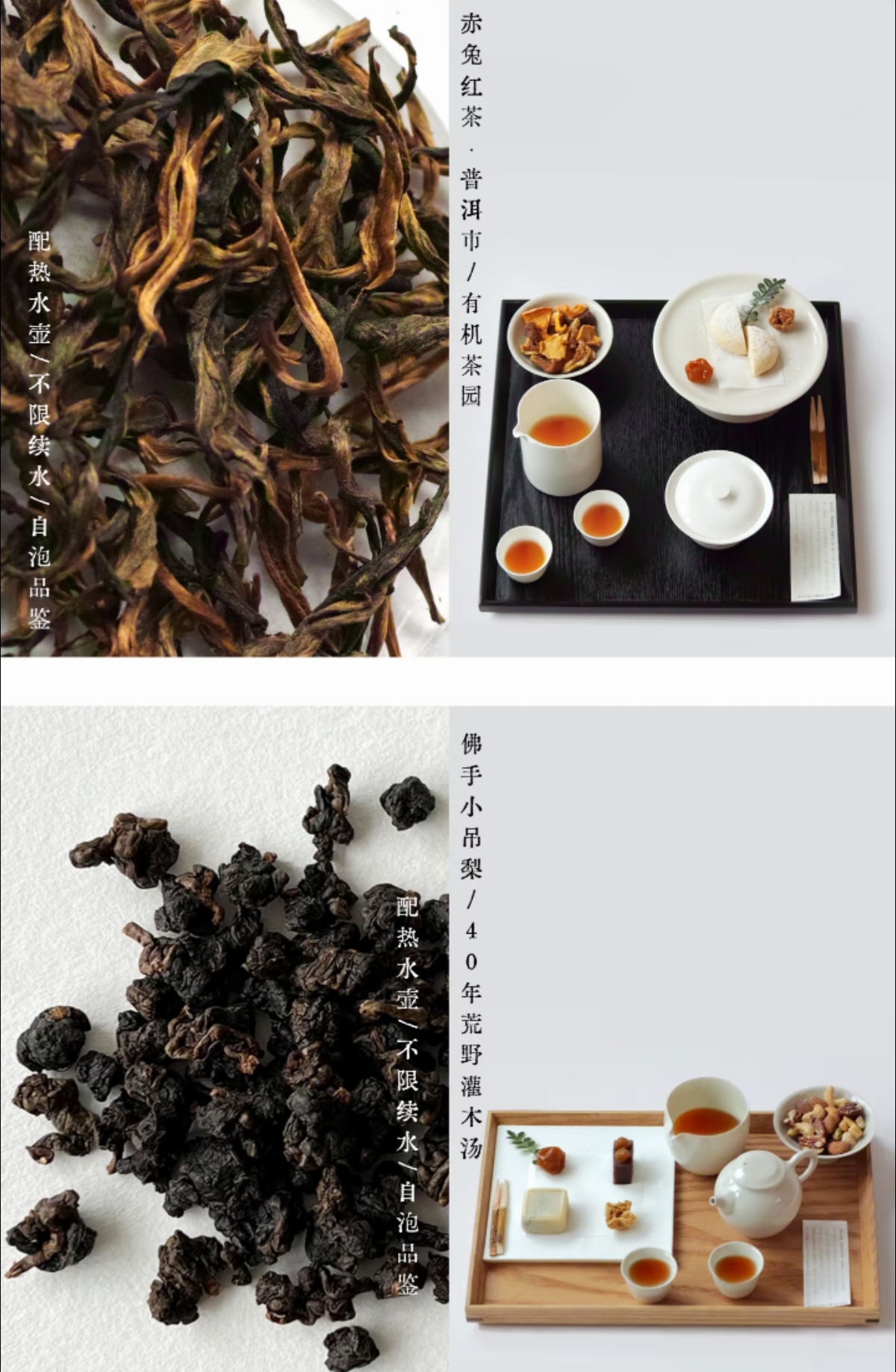
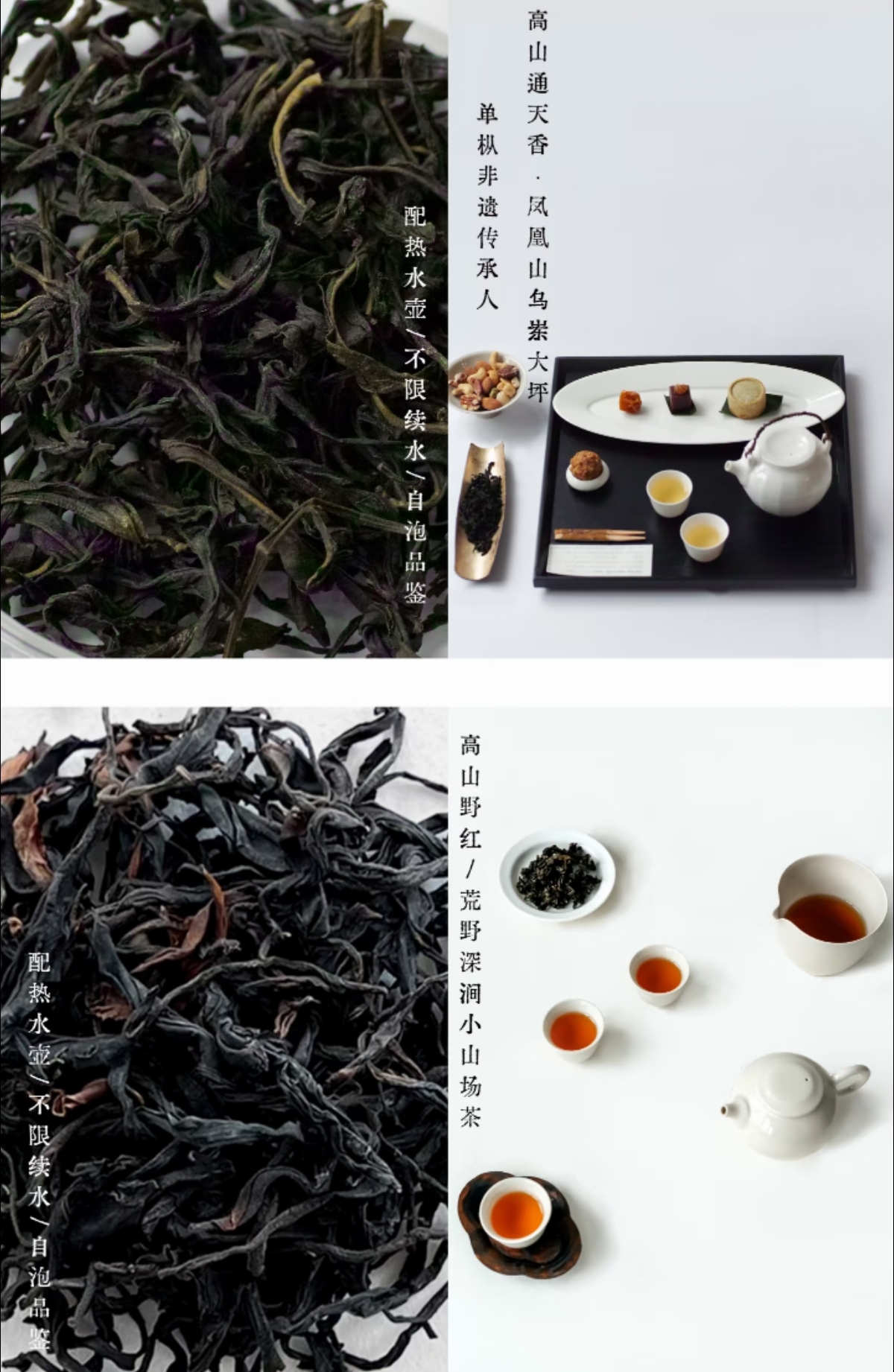
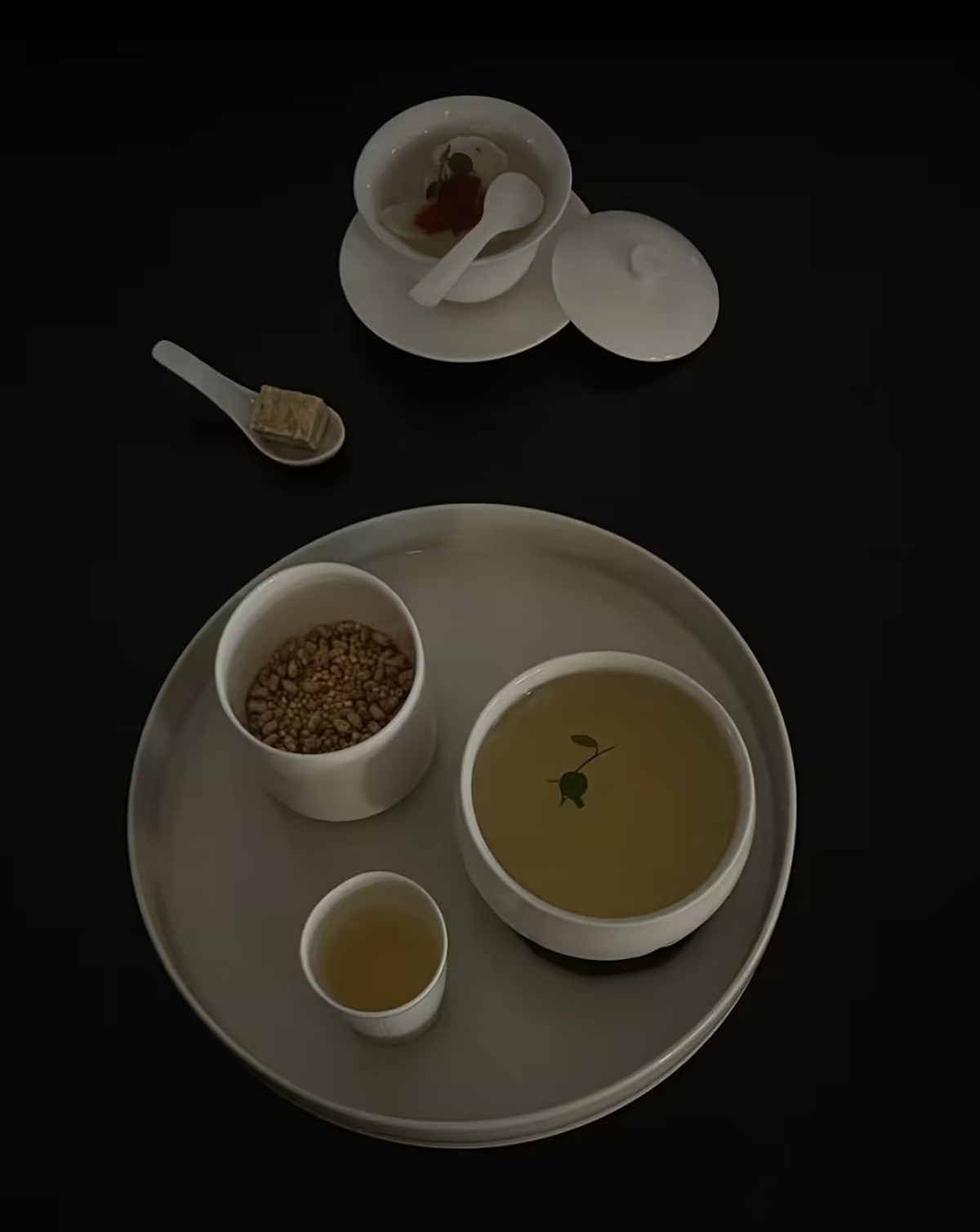
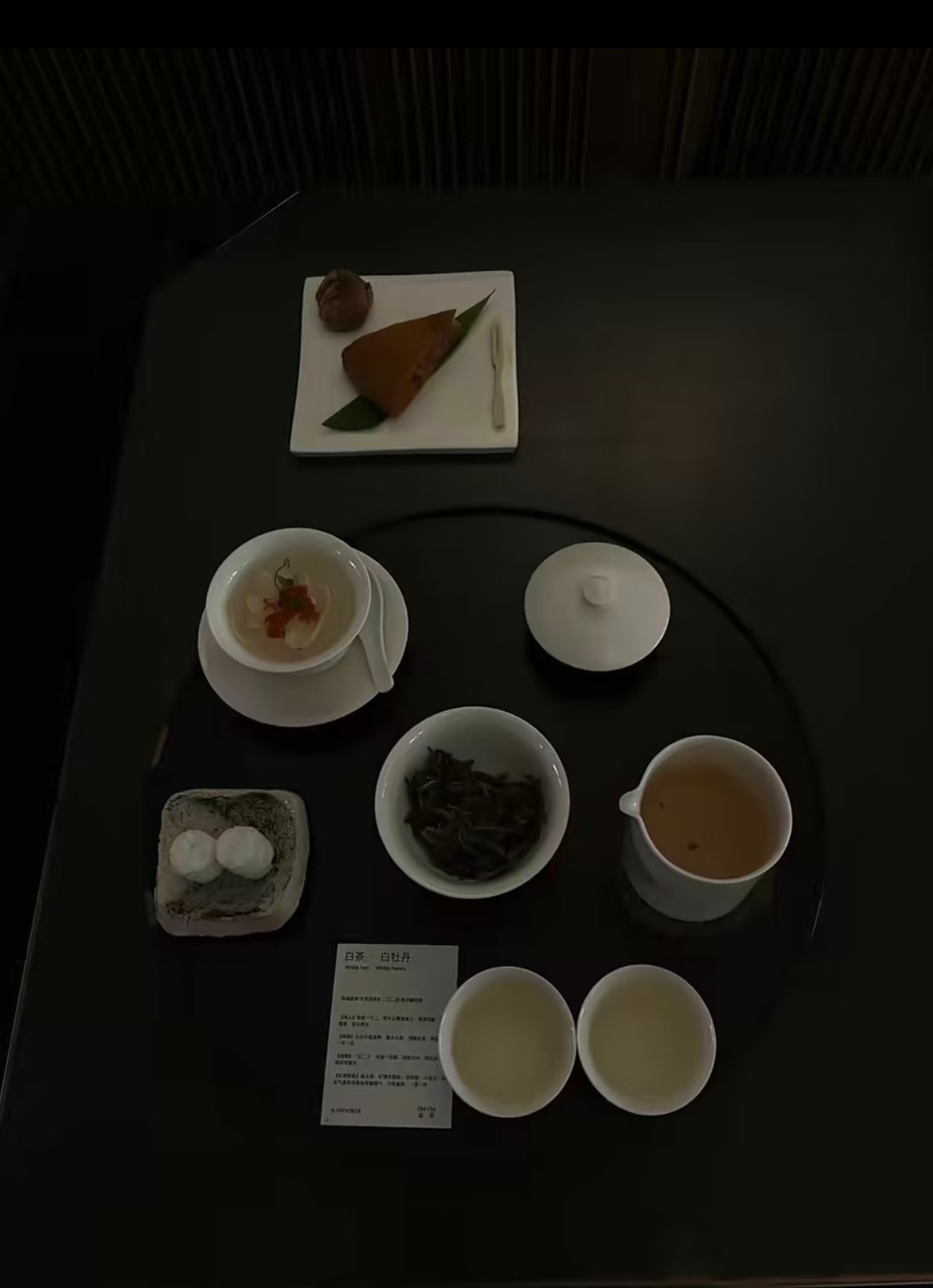
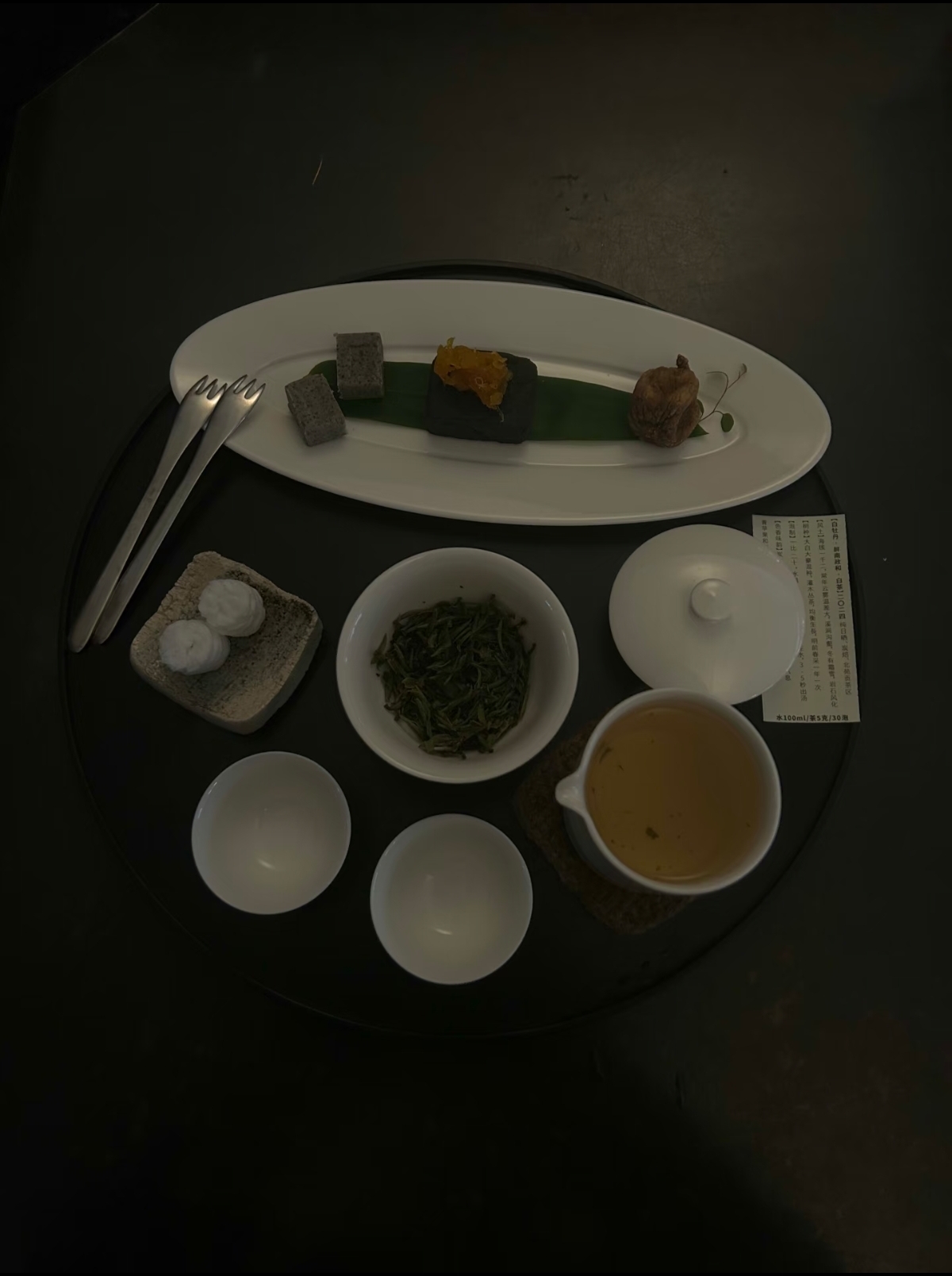
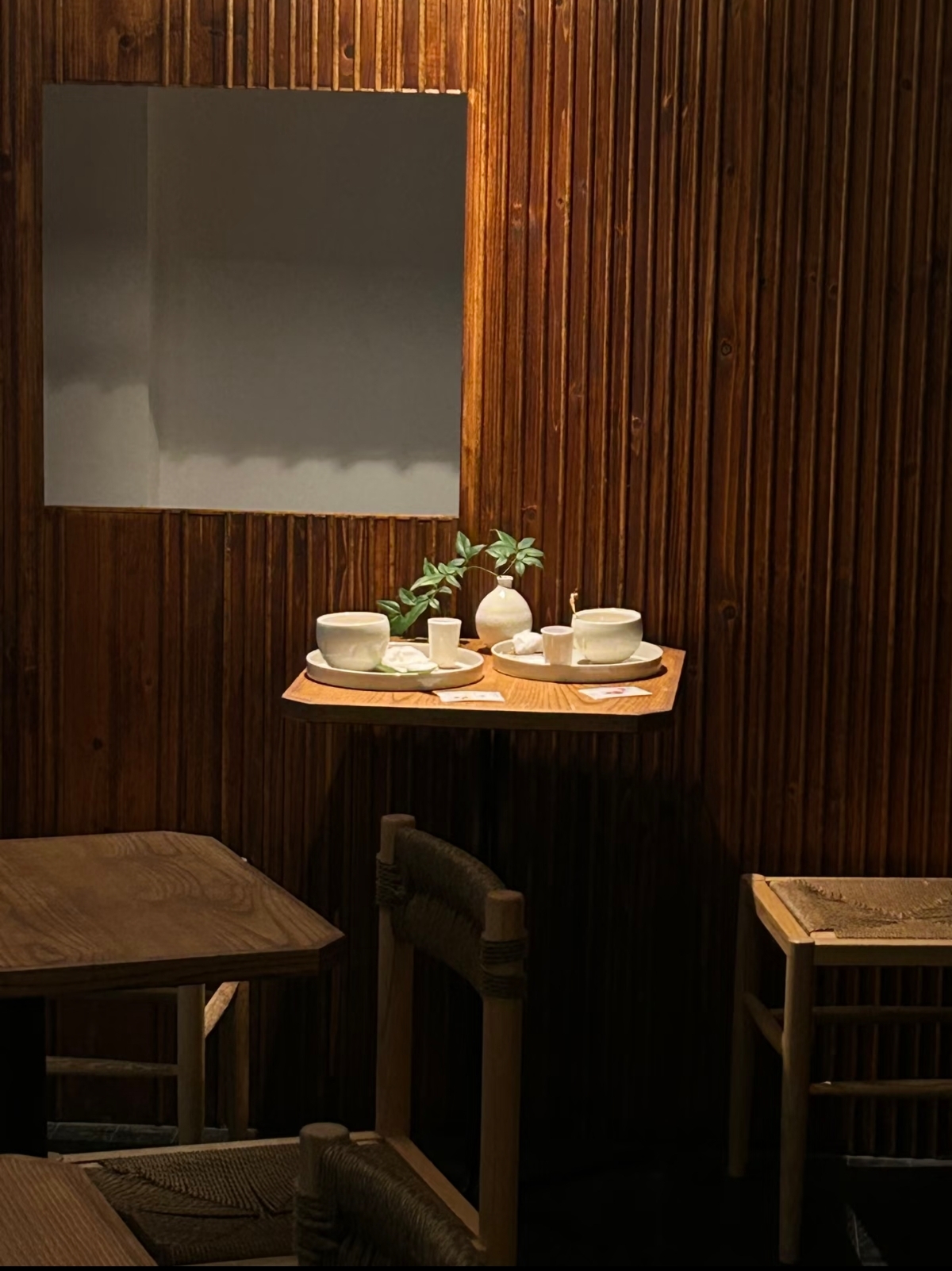
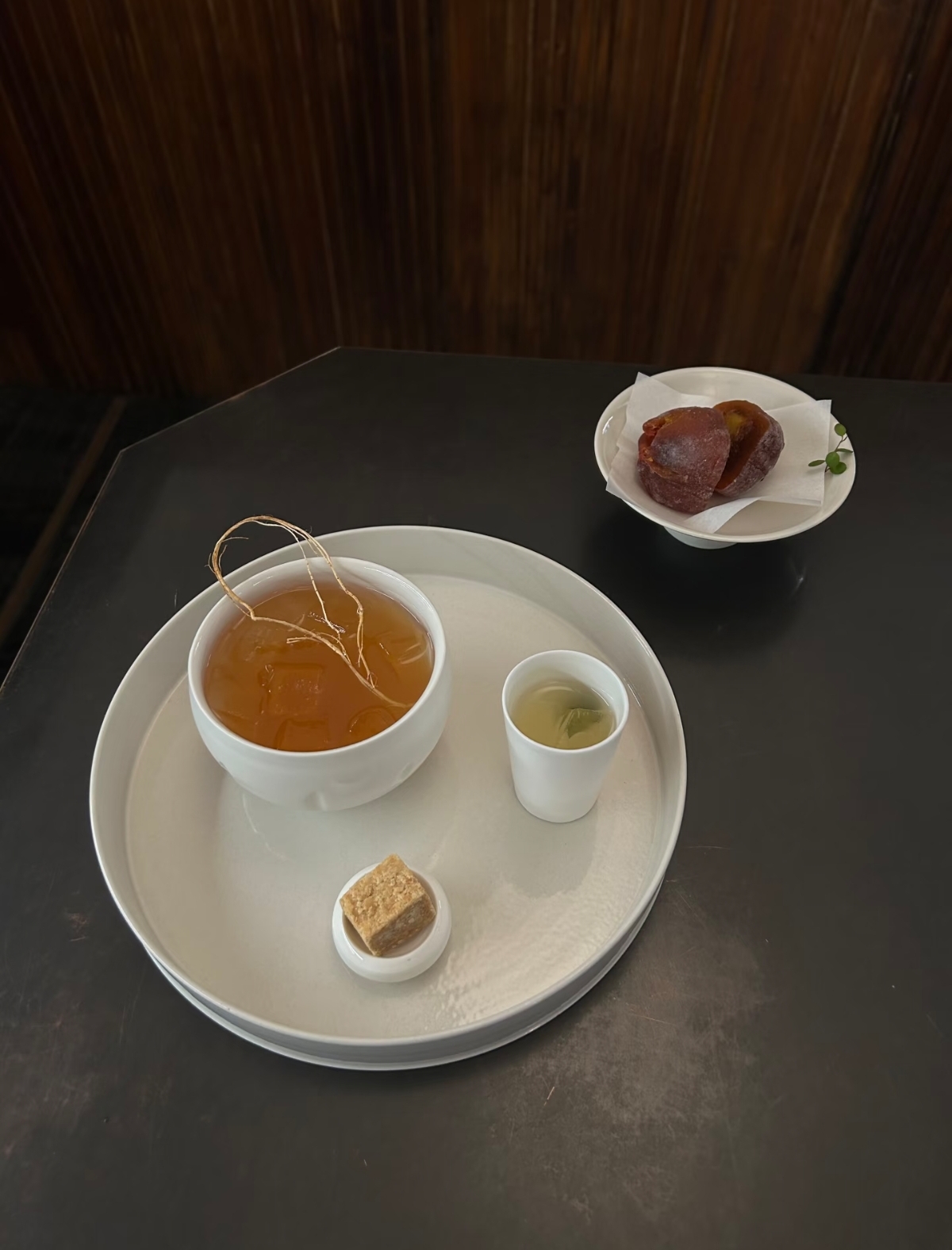
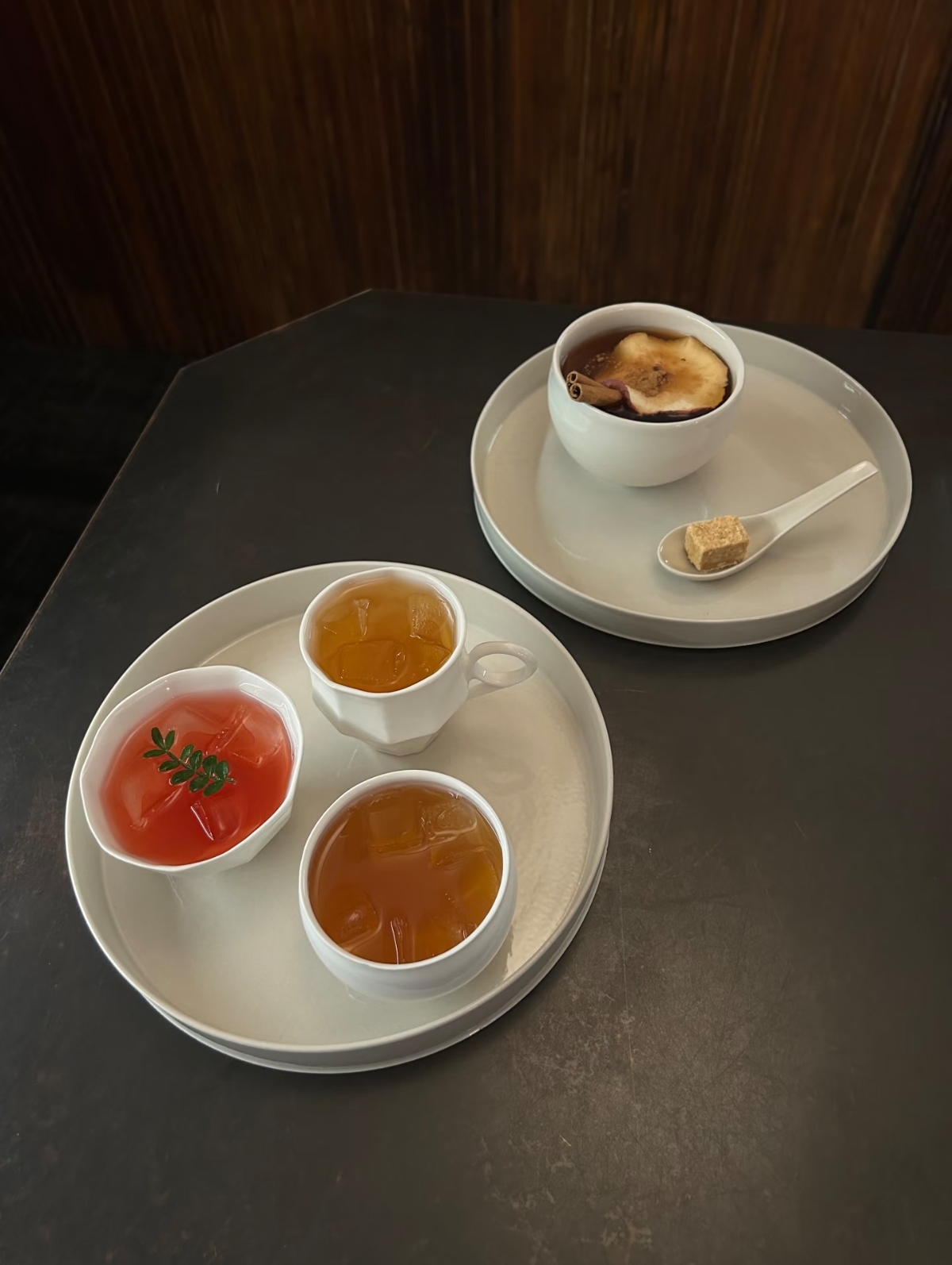
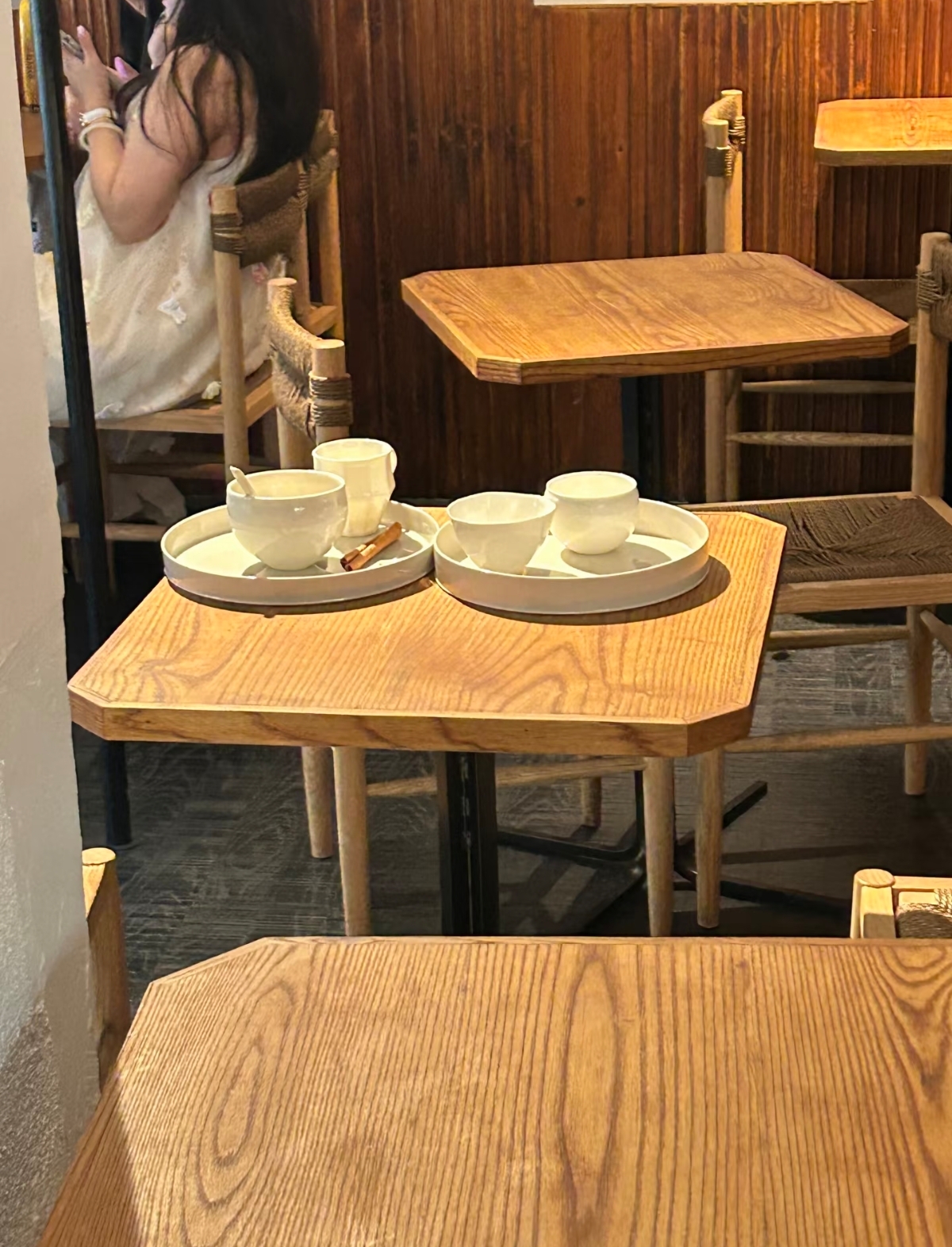
For visitors wanting a bridge between tradition and modernity, Che Cha offers something unique. Hidden along a small lane off the touristy Beijing Road, this tranquil tea house specialises in traditional tea, kombucha, and tea cocktails.
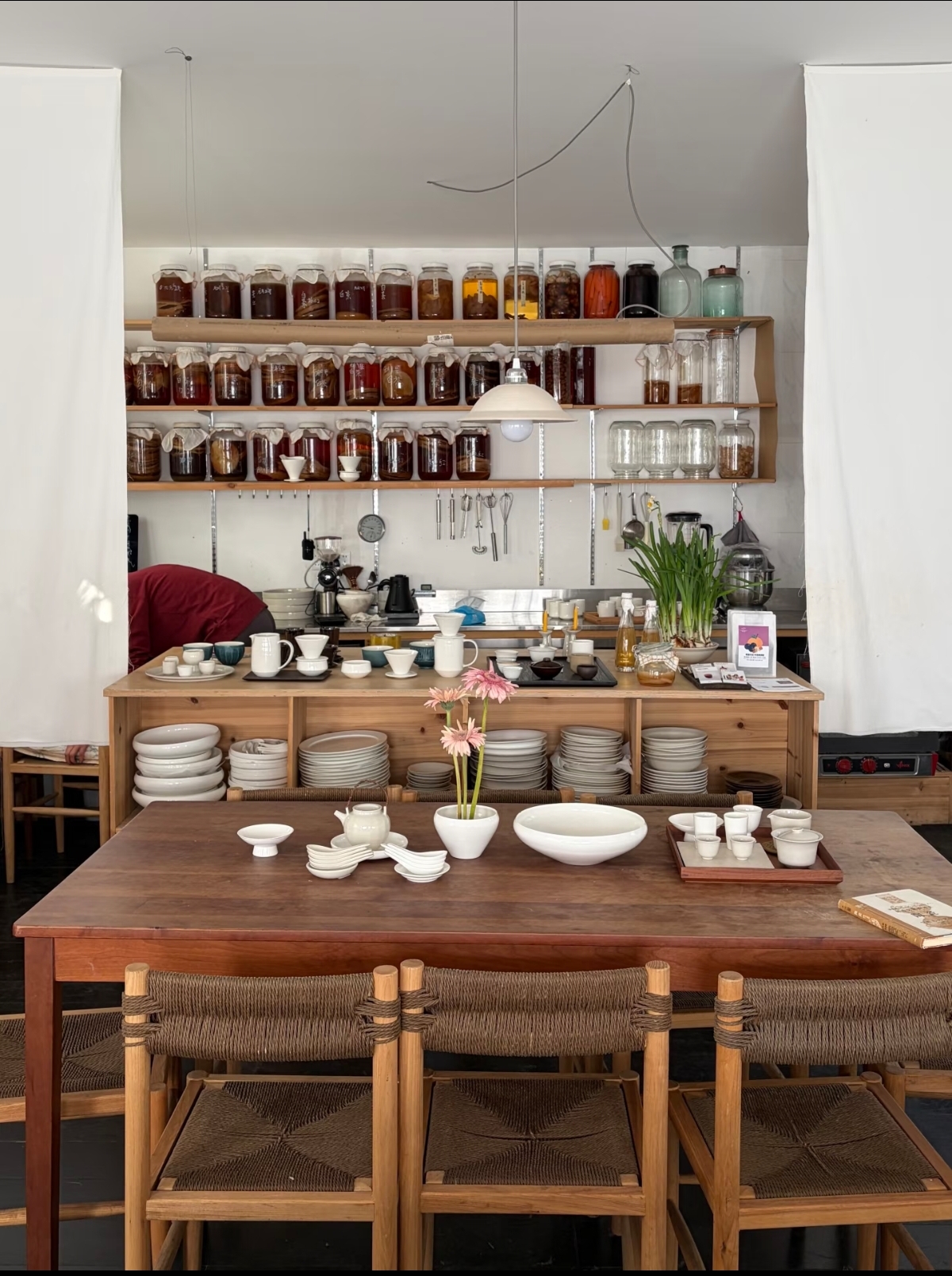
The space itself is a serene contrast to the bustling street outside. Divided into an outer veranda, tea hall, and private rooms, it features white, minimalist design with natural light illuminating handmade porcelain objects. A kombucha bar displays glass jars of fermenting tea — a nod to both tradition and contemporary health trends.
The backyard, with bamboo chairs and wooden benches, is a quiet retreat in cooler seasons.
- Modern, Instagram-worthy design.
- Ginger Lemon Kombucha (48 RMB) — made with two rounds of fermentation.
- Tea cocktails for adventurous drinkers.
- Located in the heart of Yuèxiù, near the tourist centre.
Tea price range: 28–58 RMB
Search on Amap/Apple Maps: 迠茶 (长兴街店)
📞 Official Contact Information
| 📍 Address | 7 Changxing Street, Zhongshan 5th Road, Yuexiu District, Guangzhou, Guangdong Province, China (inside the standalone 4-story building) 广东省广州市越秀区中山五路昌兴街7号 |
| hello.che.cn@gmail.com | |
| 📱 Phone | Not publicly listed (they primarily use online booking and social media) |
| 🌐 Social Media | Xiaohongshu (Little Red Book): search "迠茶" or "迠Chè" |
🕒 Opening Hours
| Floor | Hours |
|---|---|
| 1F – Tea House | Daily, 10:30 AM – 7:00 PM |
| 2F–3F – Art Gallery | Wednesday – Sunday, 10:30 AM – 7:00 PM |
| 4F – "Loading" (Ceramics & Coffee) | By appointment only |
📱 How to Make a Reservation
- For the 4th Floor ("Loading"): you must book in advance directly with the owner. Contact them via Xiaohongshu DMs or email (hello.che.cn@gmail.com) to arrange a visit.
- For the Tea House (1F): walk-ins are welcome. You can also check for deals on Dianping (大众点评) — some visitors have found set menus there.
🚇 Getting There
Metro: take Line 1 or Line 2 to Gongyuanqian Station (公园前站). Use Exit E and walk about 160 meters. The tea house is tucked away on Changxing Street, just behind the bustling Beijing Road shopping area.
5Annan Tea House (安南茶馆) — Hidden Ancient Village


| Chinese Name | 安南茶馆 |
| Pinyin | Ānnán Cháguǎn |
| Location | Julong Ancient Village (Jùlóng Gǔcūn, 聚龙古村), Liwan District |
| Setting | Ancient building dating back to 1879 (145+ years old) |
| Booking | Required (highly recommended) |
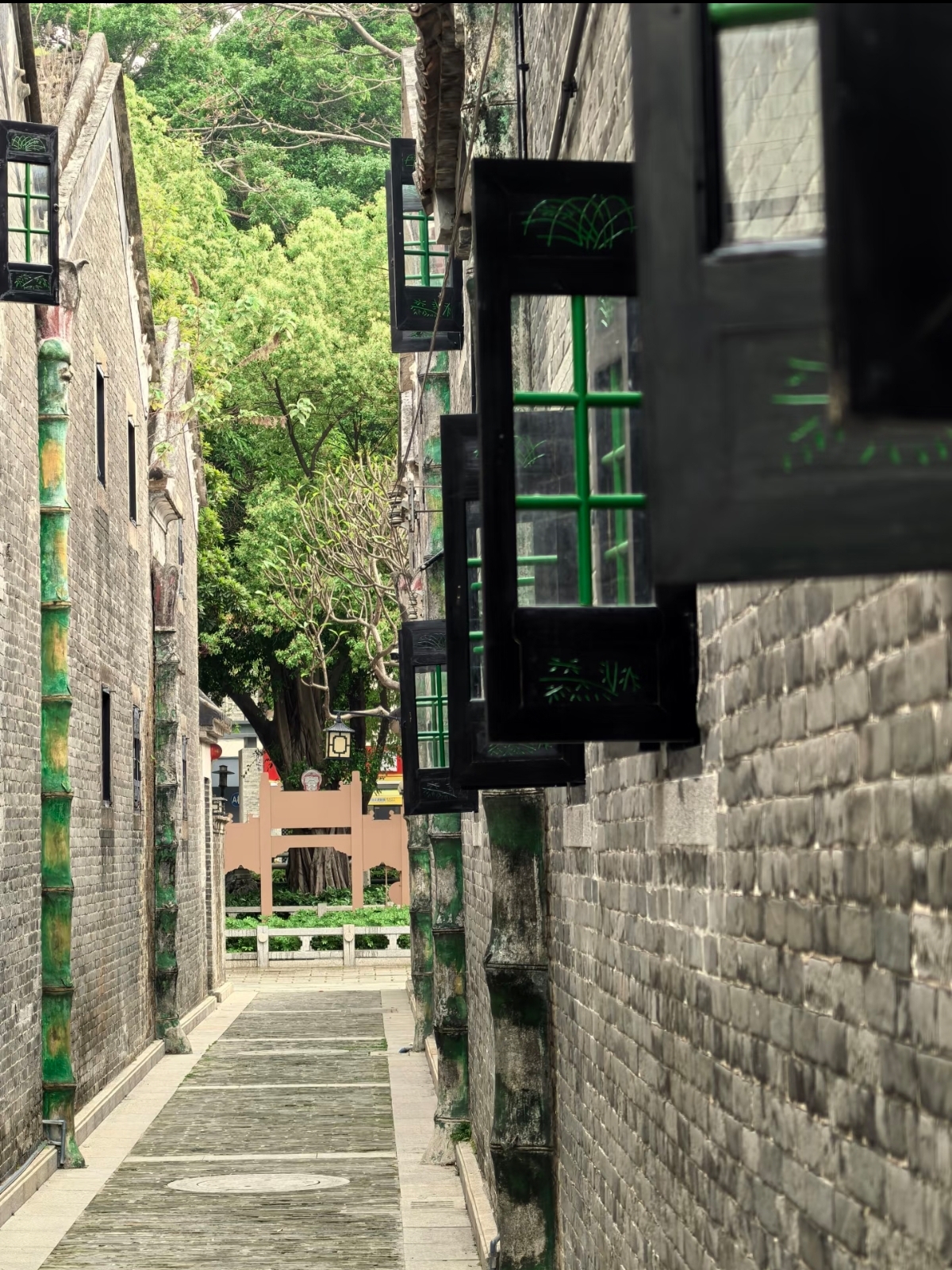
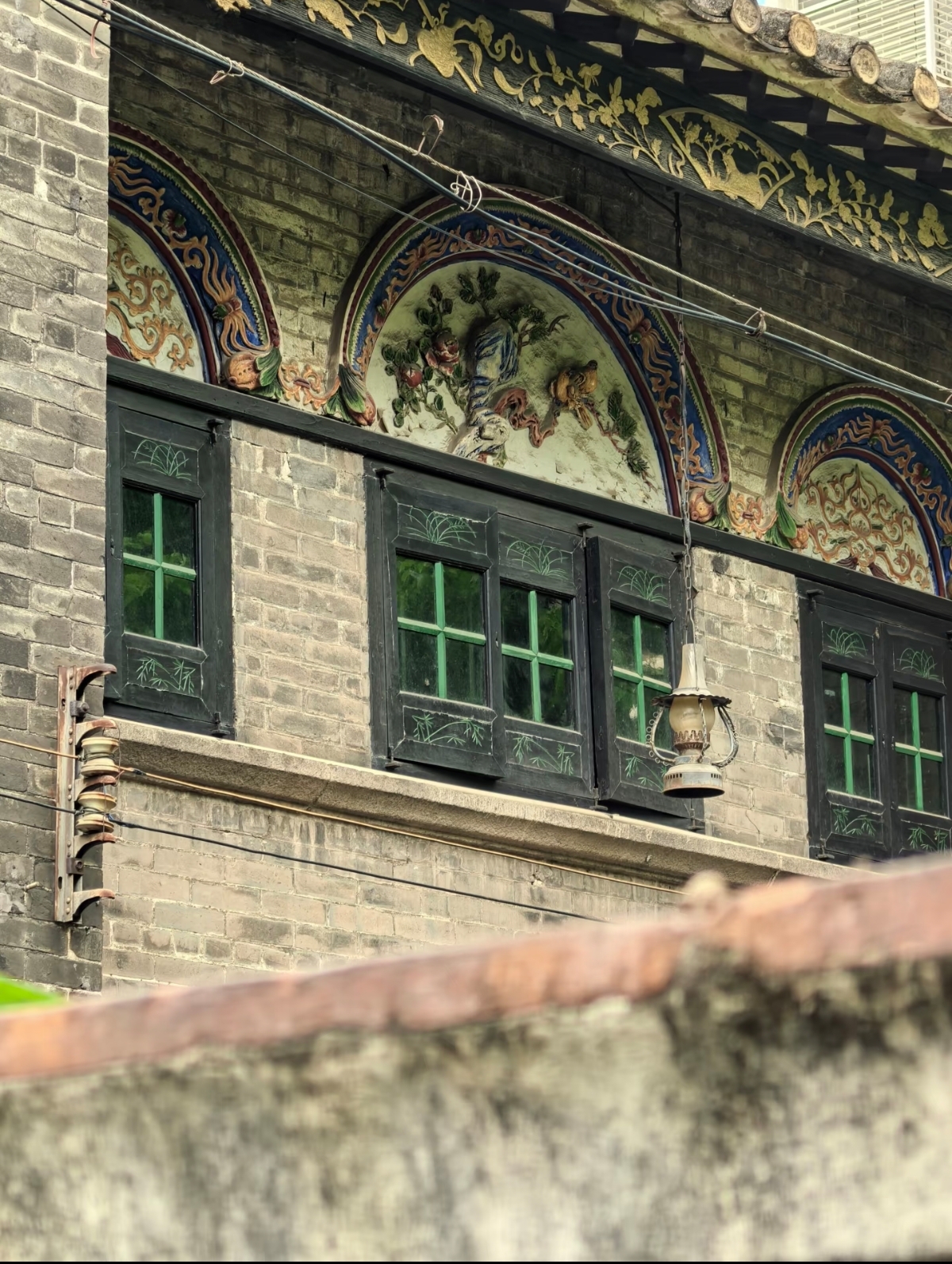
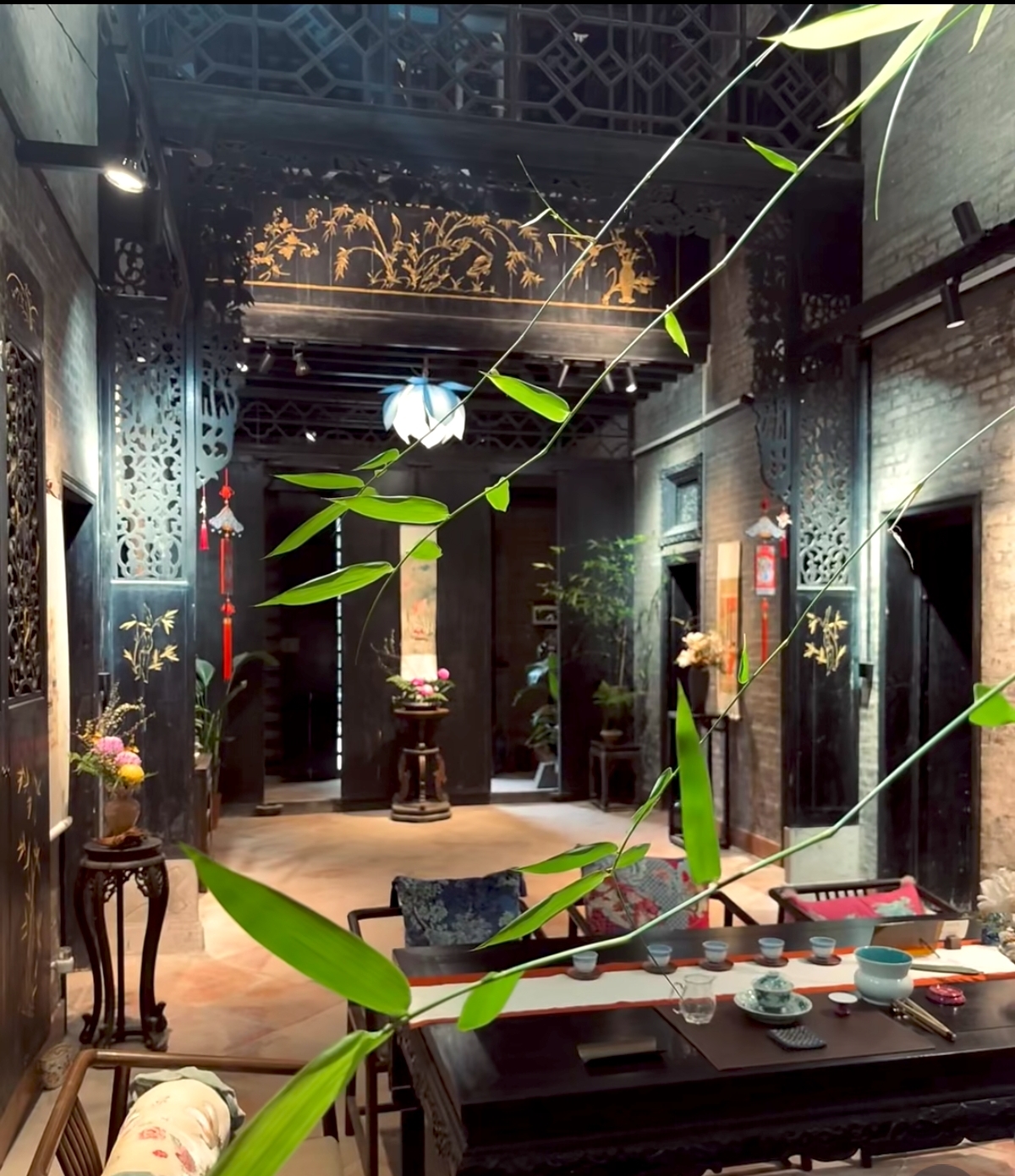
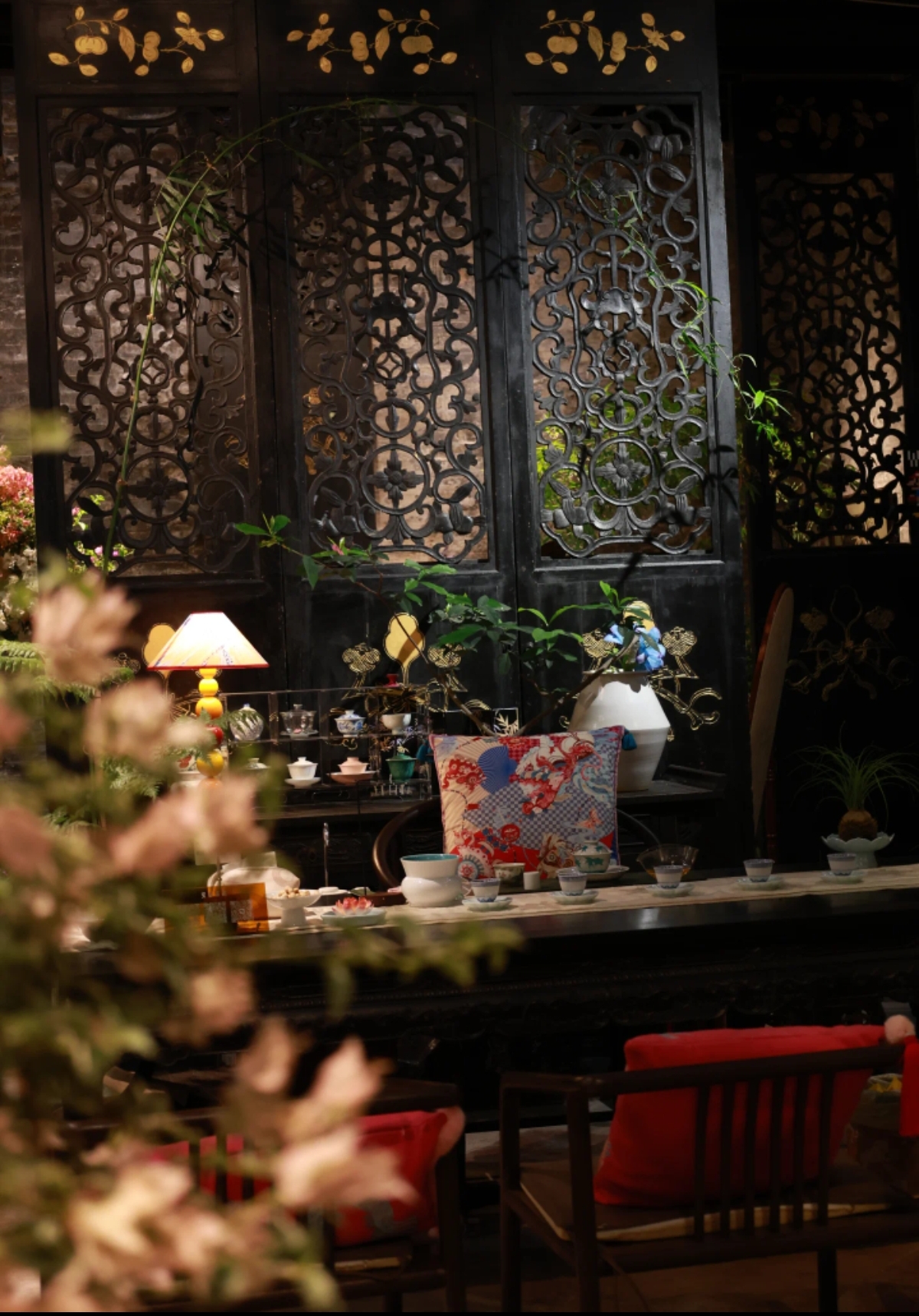
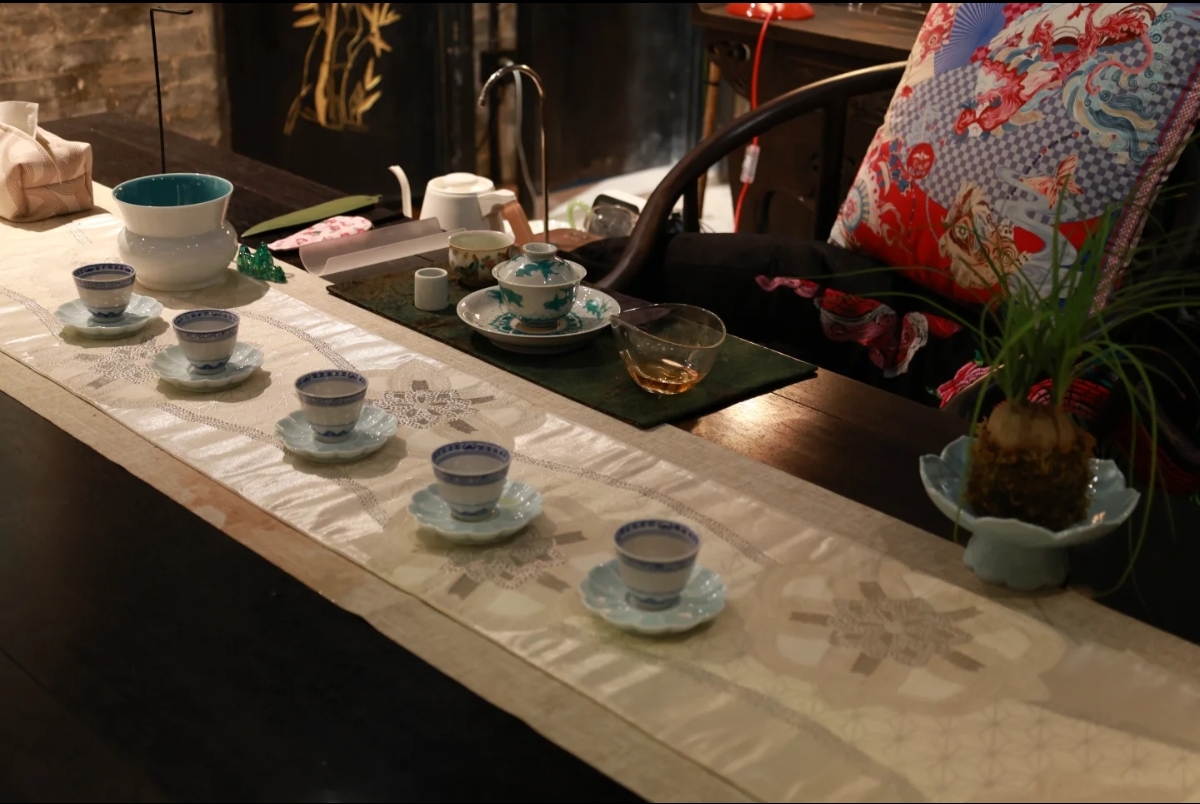
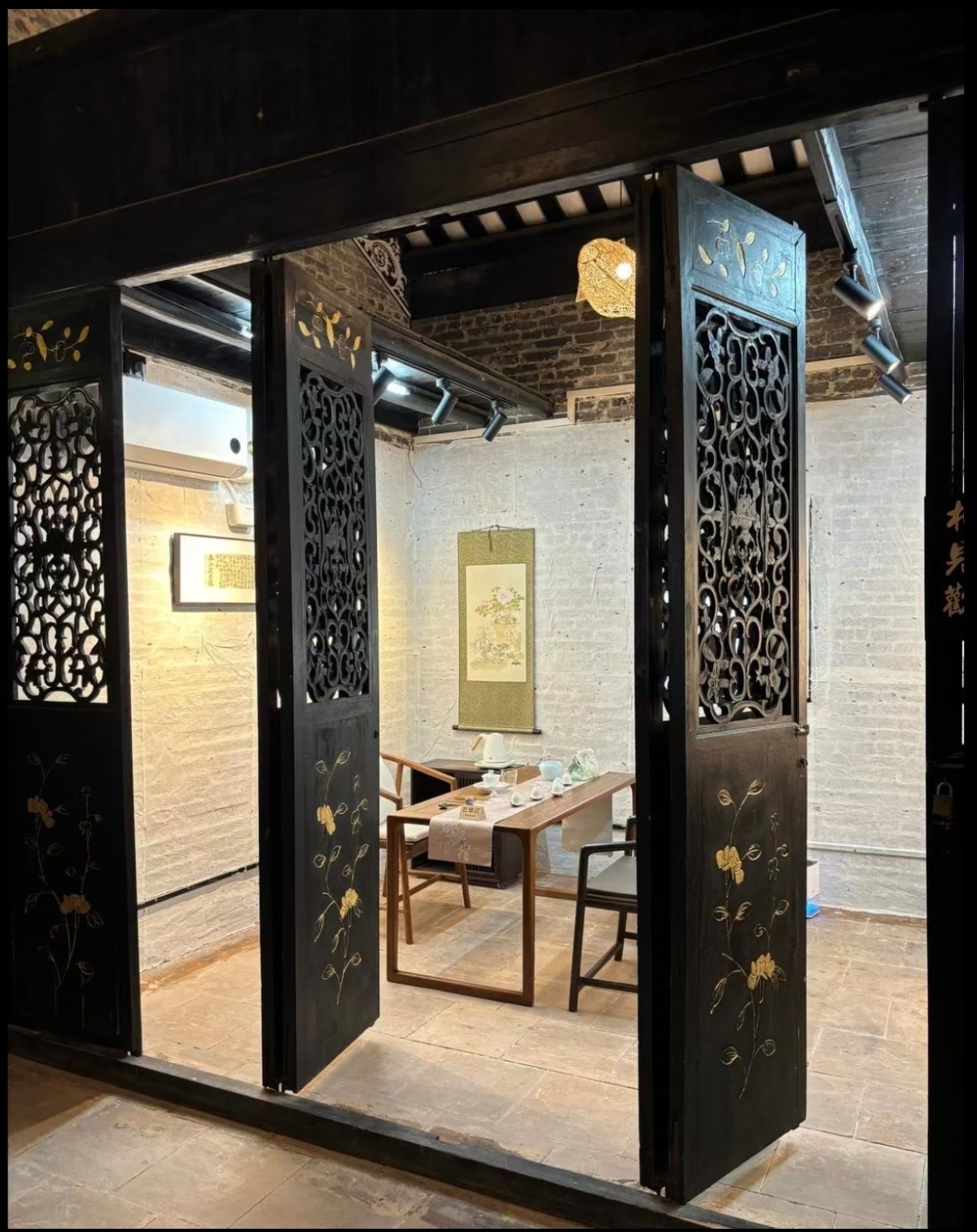
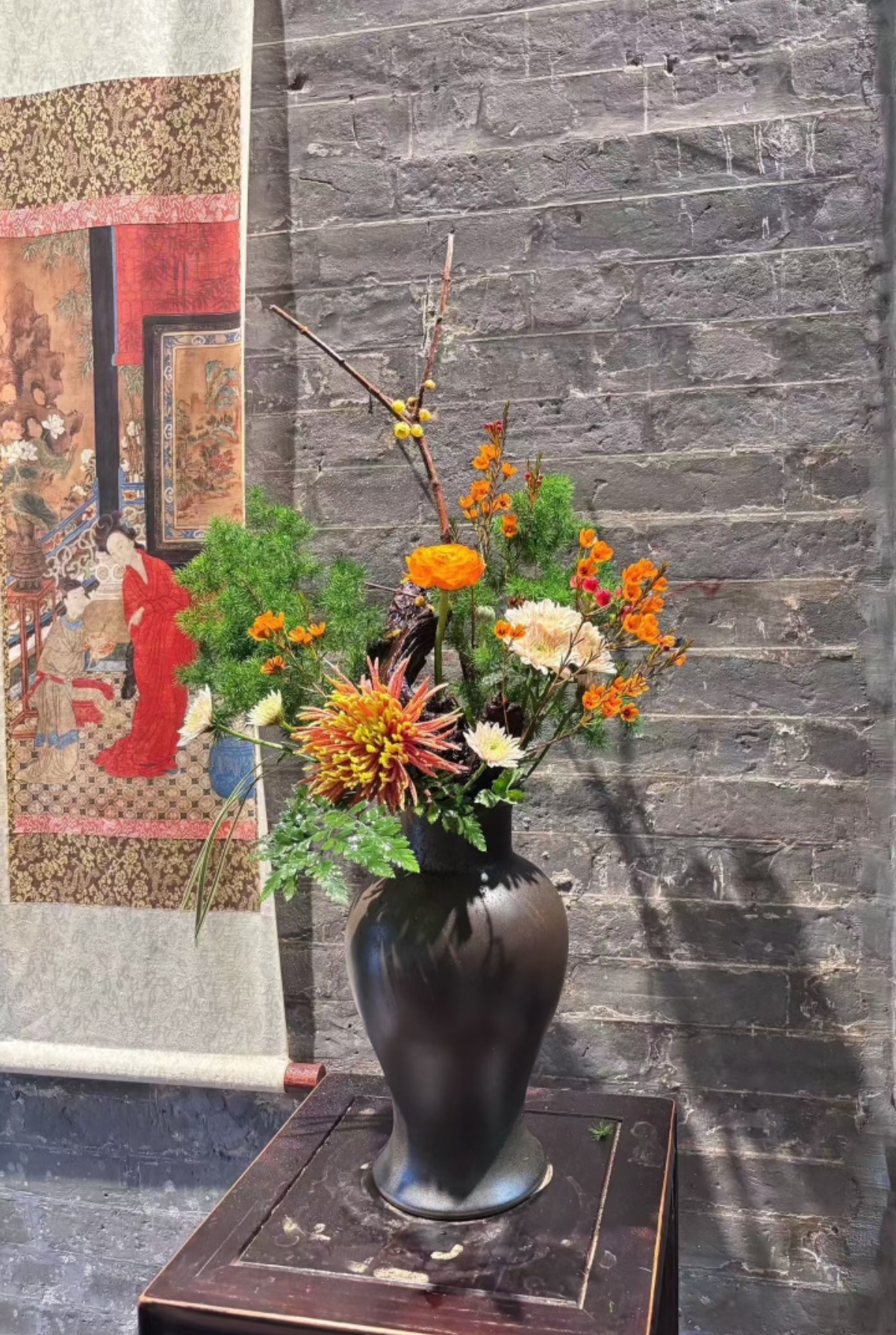
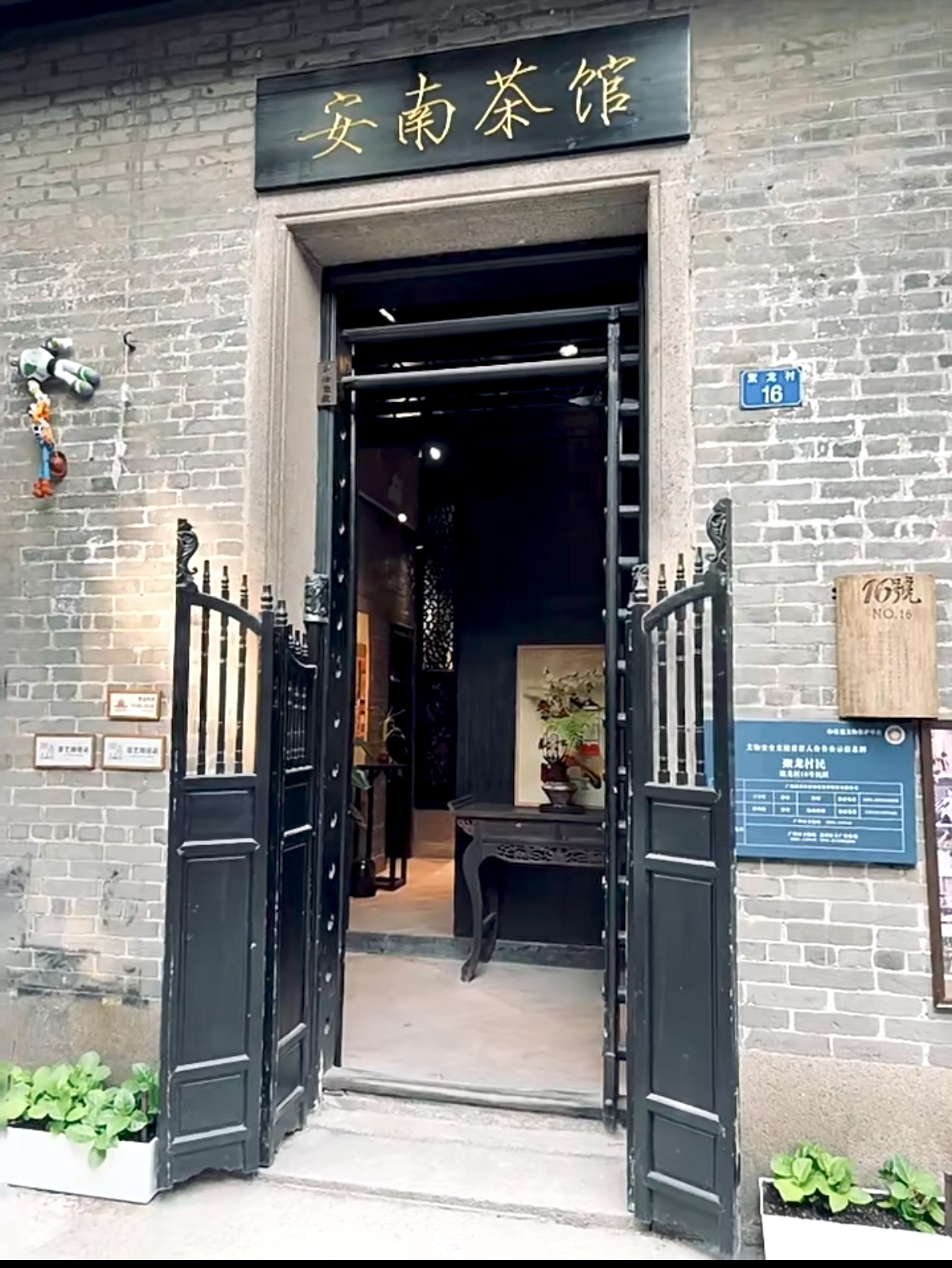
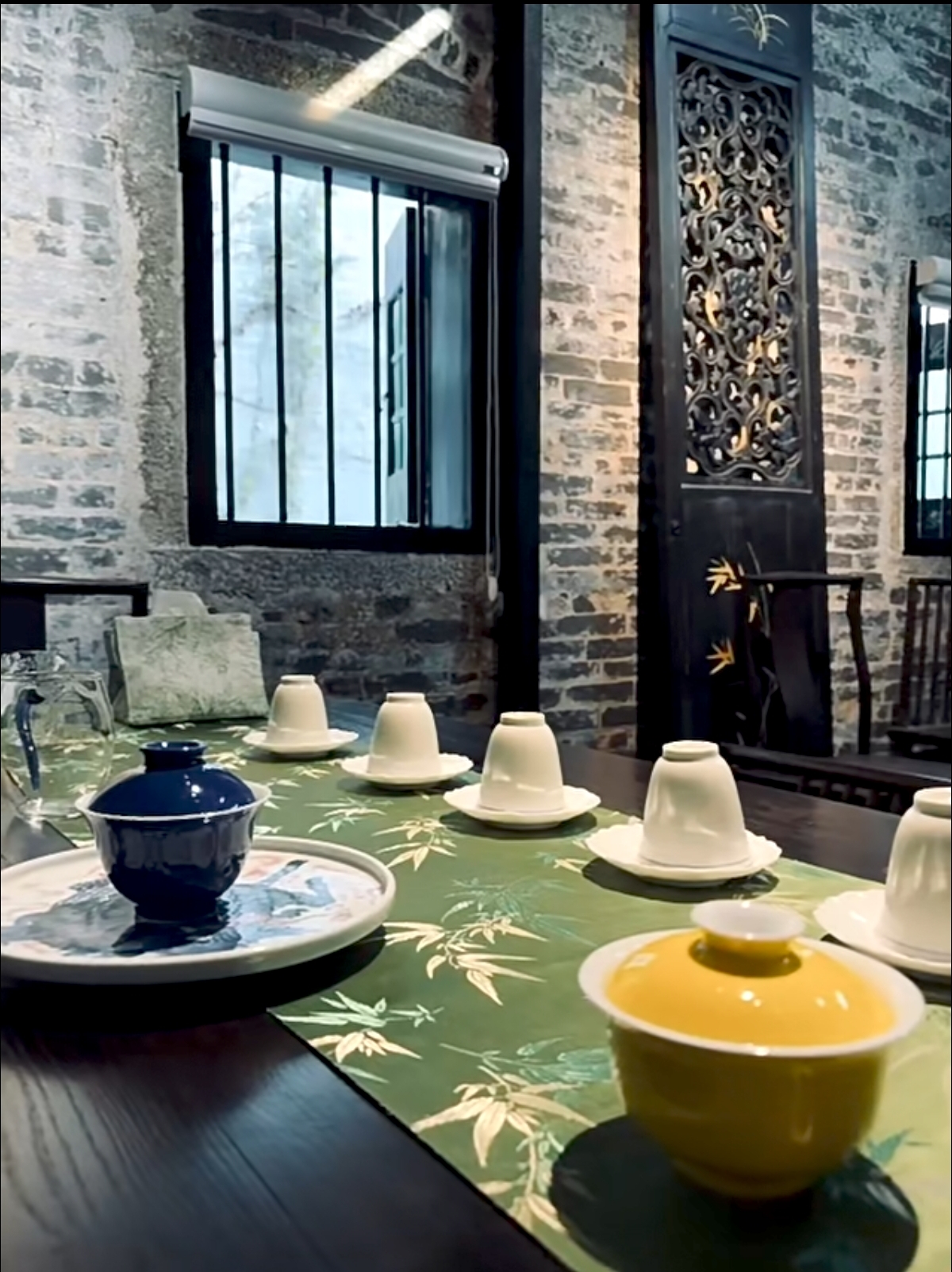
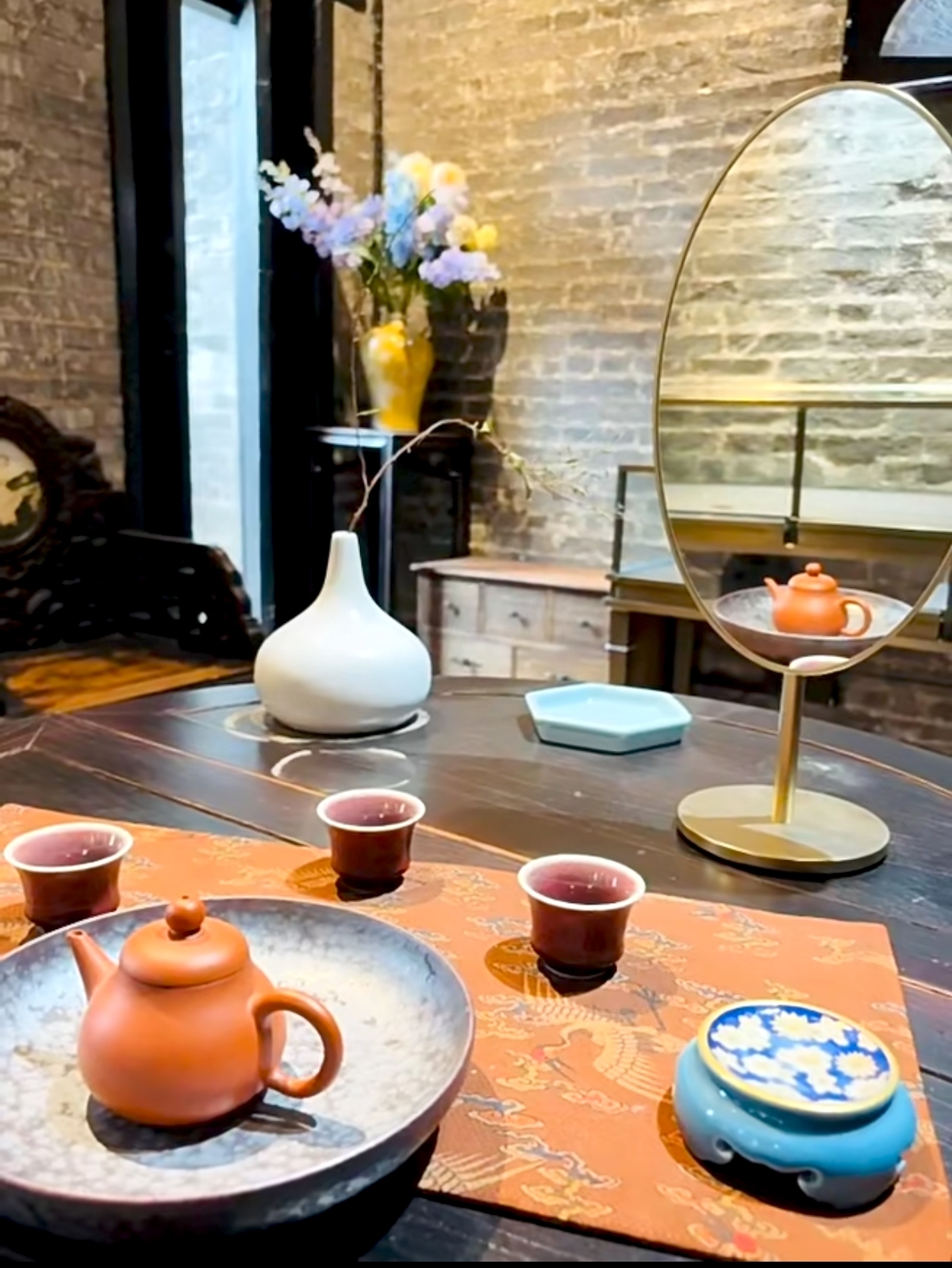
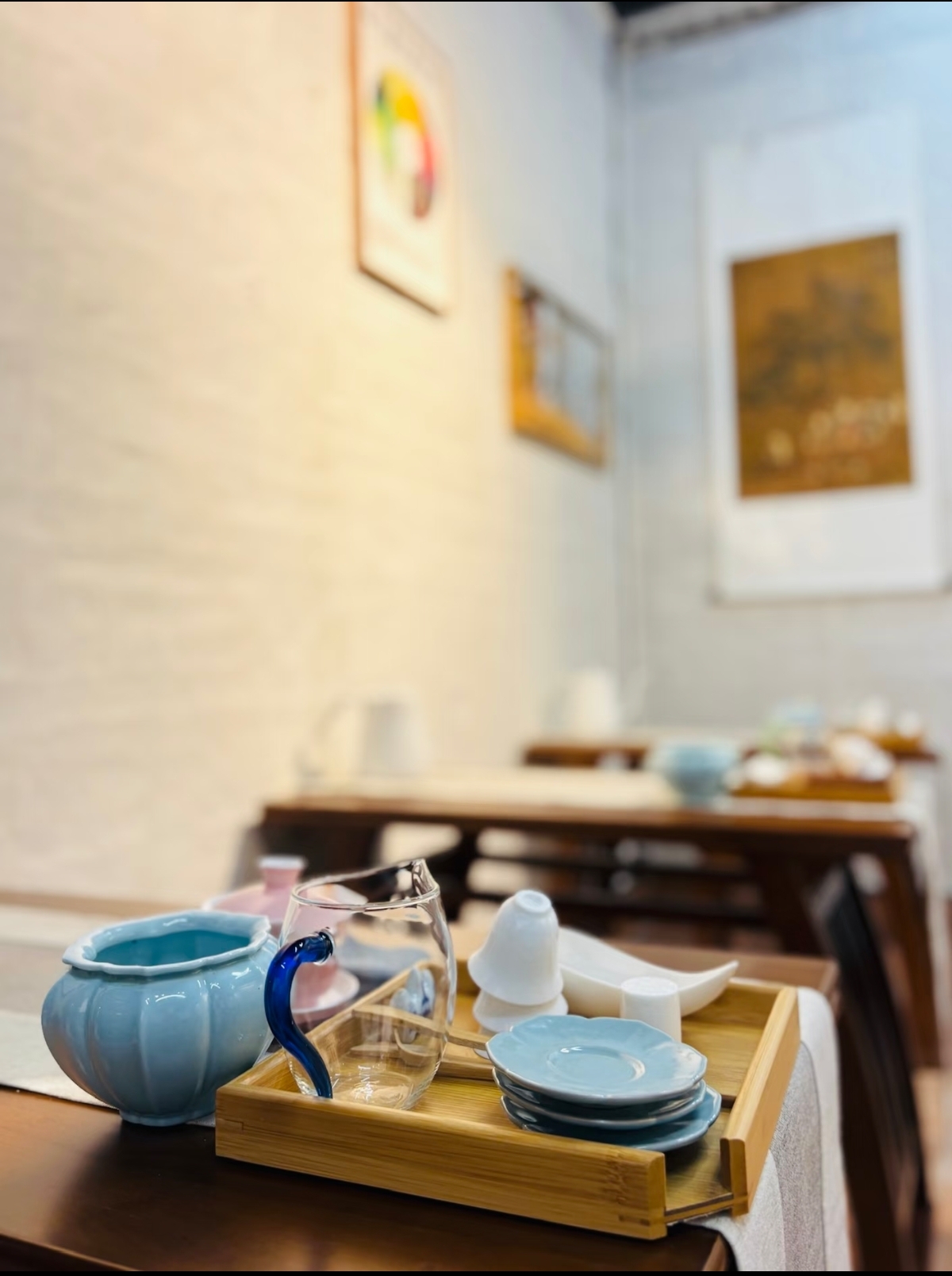
For those willing to venture off the beaten path, Annan Tea House offers an experience straight out of a time capsule. Tucked within the ancient Julong Village in Fāngcūn (芳村), this tea house occupies a restored century-old building where guests can sip tea surrounded by centuries of history.
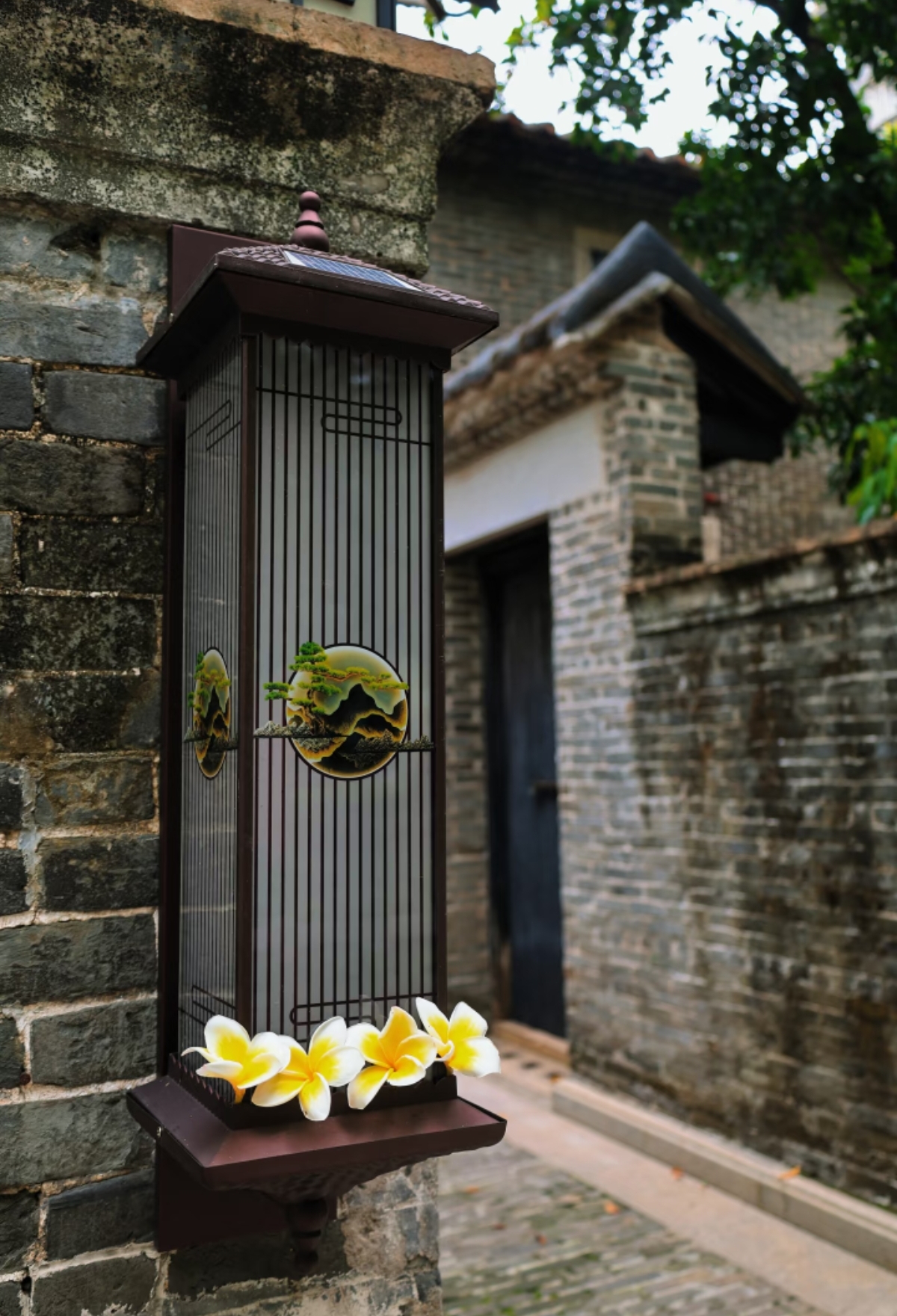
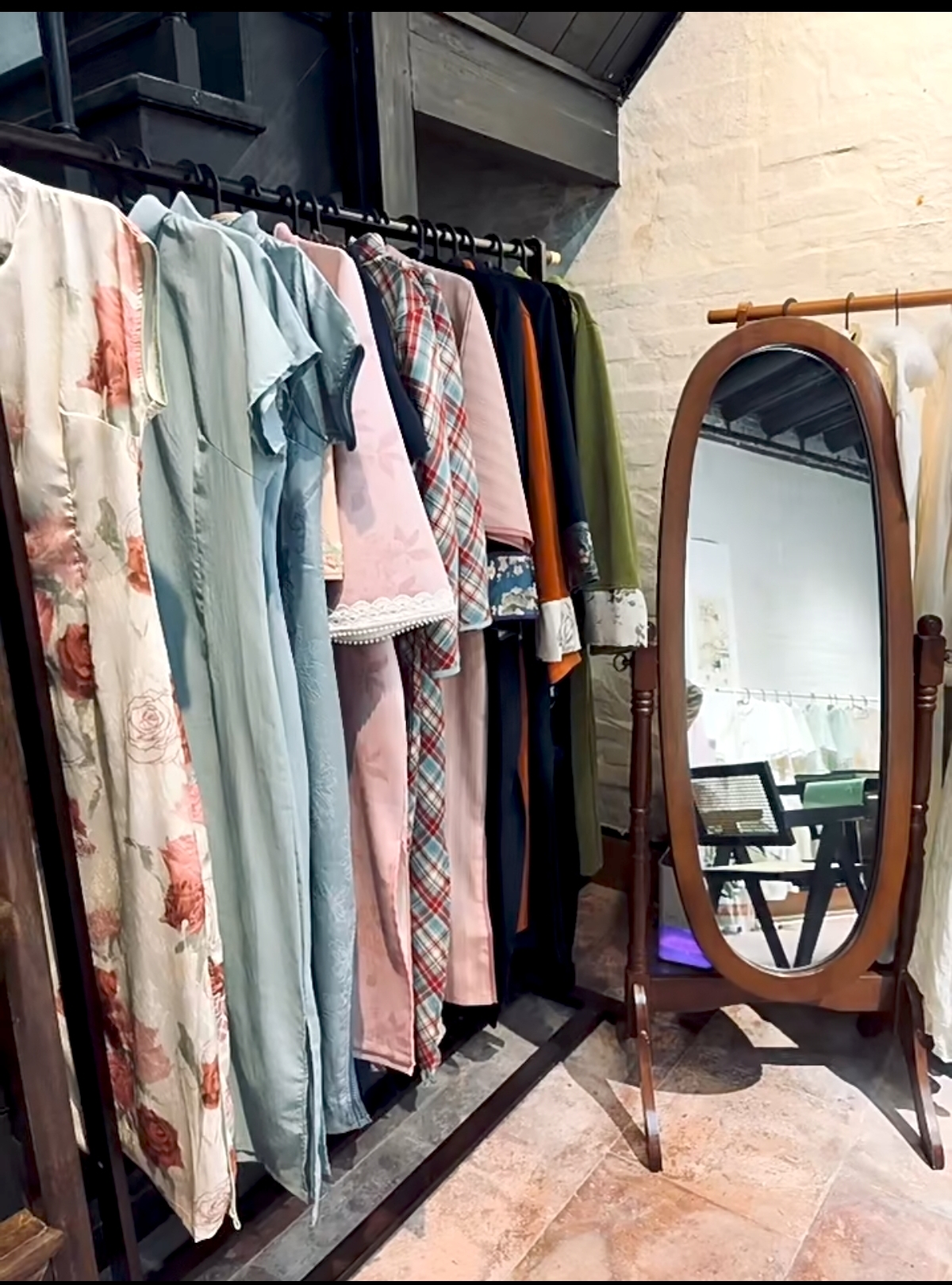
The space retains its original blue-brick walls, which catch dappled sunlight filtering through plants — a perfect setting for contemplation or photography. The tea house offers qípáo (旗袍) — traditional Chinese dress — rental for those wanting to match the era's aesthetic.
- Genuine ancient building atmosphere.
- Photo-friendly with vintage qípáo rental.
- Quiet and intimate (bookings essential).
Tea price range: 50–100 RMB (reservation fee may apply)
Search on Amap/Apple Maps: 安南茶馆 (聚龙古村店)
📞 Official Contact Information
| 📍 Address | Building 16, Julong Ancient Village, Chongkou Street, Liwan District, Guangzhou, Guangdong Province, China 广东省广州市荔湾区冲口街道聚龙古村16栋一二楼 |
| 📞 Phone | +86 139 2869 3820 |
| Not publicly available. | |
| 🌐 Social Media | Xiaohongshu (Little Red Book): search "安南茶馆" |
🕒 Opening Hours
Daily, 10:00 AM – 9:00 PM
📱 How to Make a Reservation
- Booking is essential: Annan Tea House requires advance reservation. Walk-ins are not recommended.
- By Phone: the most direct way is to call +86 139 2869 3820.
- Via Xiaohongshu: you can also send a direct message to their official account "安南茶馆" to inquire about availability.
🎨 What to Expect
| Floor | Activities |
|---|---|
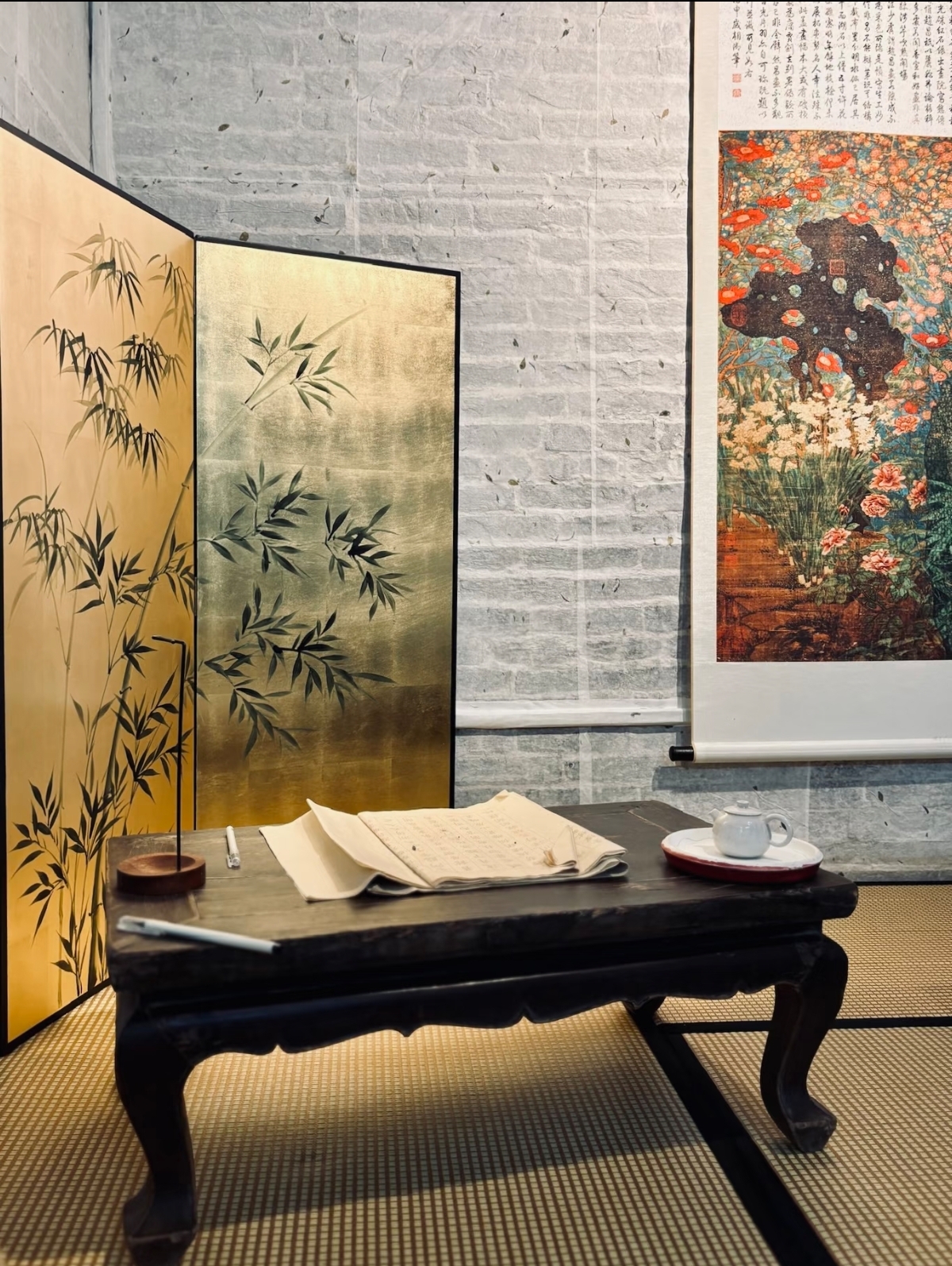
| 1F | Tea art, flower arranging, incense burning, and calligraphy copying experiences (all require advance booking) |
| 2F | Private tea rooms with different traditional decor styles |
| Rooftop | A beautiful photo spot with stunning sunset views |
Additional perks: free outdoor parking available, qipao (cheongsam) rental on-site for vintage photos, and the ancient building dates back to 1879 (over 145 years old).
🚇 Getting There
| Metro Line | Station | Exit | Walking Distance |
|---|---|---|---|
| Line 11 (Inner Ring) | Dachongkou (大冲口) | B | Short walk |
| Guangfo Line | Shayong (沙涌) | C | ~1.3 km |
| Line 1 | Huadiwan (花地湾) | B | Walk or short taxi ride |
Navigation Tip: search for "聚龙古村" (Julong Ancient Village) or "安南茶馆" on Amap (高德地图) or Apple Maps. The tea house is inside the ancient village complex.
📝 Quick Reference Card
| Chinese Name | 安南茶馆 |
| Pinyin | Ānnán Cháguǎn |
| Address | 荔湾区聚龙古村16栋 |
| Phone | +86 139 2869 3820 |
| Hours | 10:00 – 21:00 daily |
| Booking | Required |
| Parking | Free outdoor |
Comparison Table: Choosing Your Tea House
| Tea House | Atmosphere | Best For | English Menu | Booking |
|---|---|---|---|---|
| Taotao Ju (陶陶居) | Lively, historic, bustling | First-timers, history lovers | Limited | Walk-in |
| Huiru (惠如楼) | Traditional, warm, night option | Night visitors, families | Limited | Walk-in |
| Lianxiang Lou (莲香楼) | Classic arcade style | Architecture enthusiasts | Limited | Walk-in |
| Che Cha (迠茶) | Modern, calm, stylish | Younger travellers, Instagram | Yes | Walk-in |
| Annan (安南茶馆) | Intimate, ancient, quiet | Special occasions, couples | No | Required |

Watch: the finger kowtow gesture in action, so you'll recognise it the moment your cup gets filled.
Tips for Your First Visit
Best Times to Go
- Morning tea (5–9 AM): most authentic, filled with elderly regulars reading newspapers.
- Late morning (9–11 AM): peak hours, very crowded but most energetic.
- Afternoon (2–5 PM): quieter, good for photography.
- Evening (6–10 PM): increasingly popular; Huiru's specialty.
How to Order
- Choose your tea type from the menu (use the Pinyin names above to pronounce confidently!).
- Staff will bring a pot with hot water and a small burner to keep it warm.
- Order snacks if desired (dim sum, steamed buns, or traditional sweets).
- Tea is typically refilled with hot water multiple times — you're paying for the leaves, not the pot.
Budget Guide
- Basic tea: 10–20 RMB per person
- Mid-range with snacks: 30–60 RMB
- Premium tea experience: 80–150 RMB
- Annan reservation: 50–100 RMB entry fee (includes tea)
Conclusion
Guangzhou's traditional teahouses offer something increasingly scarce in modern travel: an authentic, unhurried connection to local culture. Whether you're sitting beneath a century-old ceiling fan at Taotao Ju, watching night fall over a cup of Pǔ'ěr at Huiru, or discovering a quiet corner at Chè Chá, you're participating in a ritual that has sustained this city for generations.
After your first visit, you'll understand why local residents greet each other not with "hello" but with a question: "Láihé chá méi?" (来喝茶没?) — "Have you had tea today?" 🍵
Frequently Asked Questions
What is Yum Cha?
Yum Cha (yǐn chá, 饮茶) literally means "drinking tea." It's the Cantonese tradition of gathering at a teahouse for tea alongside dim sum or light snacks, usually in the morning or early afternoon.
What's the best time to visit a teahouse?
Early morning (7–9 AM) is the most authentic experience, filled with local regulars. Late morning (9–11 AM) is busiest. Evenings are quieter and increasingly popular, especially at Huiru Restaurant.
Can tourists visit alone?
Yes. Solo visitors are welcome at every teahouse in this guide; staff are used to serving individual guests, though tables are often shared during peak hours.
Do teahouses accept foreign cards or cash?
Most rely on WeChat Pay or Alipay. Cash is usually accepted as a backup, but foreign credit cards are rarely accepted directly — bring cash or set up a mobile payment app before your trip.
Do I need a reservation?
Taotao Ju, Huiru, Lianxiang Lou, and Che Cha accept walk-ins, though Taotao Ju and Lianxiang Lou can have long queues on weekends. Annan Tea House requires advance booking.
How much should I expect to pay?
Basic tea starts around 10–20 RMB per person; a full experience with snacks runs 30–150 RMB depending on the teahouse.
Is English spoken at these teahouses?
English menus are limited outside of Che Cha. Use the Chinese names and Pinyin provided in this guide to order confidently.
📌 Quick Reference — All Chinese Names with Pinyin
| English Name | Chinese | Pinyin |
|---|---|---|
| Taotao Ju | 陶陶居 | Táotáo Jū |
| Huiru Restaurant | 惠如楼 | Huìrú Lóu |
| Lianxiang Lou | 莲香楼 | Liánxiāng Lóu |
| Che Cha | 迠茶 | Chè Chá |
| Annan Tea House | 安南茶馆 | Ānnán Cháguǎn |
| Yum Cha | 饮茶 | Yǐn Chá |
| Gongfu Tea | 工夫茶 | Gōngfu Chá |
| Finger Kowtow | 叩指礼 | Kòu Zhǐ Lǐ |